Yoga Mat Thickness and Density for Comfort
When it comes to yoga, your mat can profoundly impact your practice. Have you ever thought about how the thickness and density of your mat might influence your comfort and stability during poses? Understanding these factors is essential for enhancing your overall experience on the mat.
As an Amazon Associate I earn from qualifying purchases. Affiliate links may earn me a commission at no extra cost to you.
What You Will Learn
- Yoga mat thickness ranges from 1/16 inch to 1/2 inch, with 1/8 inch being a popular choice for balance and stability.
- Thicker mats provide more cushioning for joints, while thinner mats enhance stability for balance poses.
- Density impacts grip and stability; denser mats offer more stability but may have less cushioning.
- Traction can vary; thicker mats may compromise grip, making thinner mats more suitable for dynamic movements.
- Understanding your unique needs—such as joint sensitivity and practice style—can guide you in selecting the ideal mat.
Understanding Yoga Mat Thickness and Density: Key Factors to Consider
Choosing the right yoga mat can seem daunting, but understanding yoga mat thickness and density is crucial to enhancing your practice. Thickness refers to the mat's depth, while density indicates how compact or firm the material is. These factors play a significant role in your comfort, stability, and overall yoga experience. When you step onto your mat, do you feel supported or uncomfortable? That initial response can often be traced back to these key elements!
It’s essential to consider how they affect your practice. A thicker mat can provide more cushioning for your joints, while a denser mat typically offers better stability. Knowing what you need from your mat can help you make a more informed choice. To explore more about selecting the right mat, check out our guide on how to choose the perfect yoga mat for your style!
What is Yoga Mat Thickness and Why Does It Matter?
Yoga mat thickness generally ranges from about 1/16 inch to 1/2 inch. For most yogis, a mat that is 1/8 inch thick strikes a good balance between support and stability. If you're practicing on hard surfaces, going thicker can cushion your knees and joints. Conversely, a thinner mat enables better ground connection, which is especially important for balance poses.
- Standard Thickness: 1/8 inch for versatile use
- Thicker Options: 1/4 inch to 1/2 inch for joint support
- Thinner Mats: Under 1/8 inch for stability and balance
Ultimately, the thickness you choose should correlate with your personal comfort and the type of yoga you practice. As you experiment with different mats, pay attention to how each one feels during your sessions!
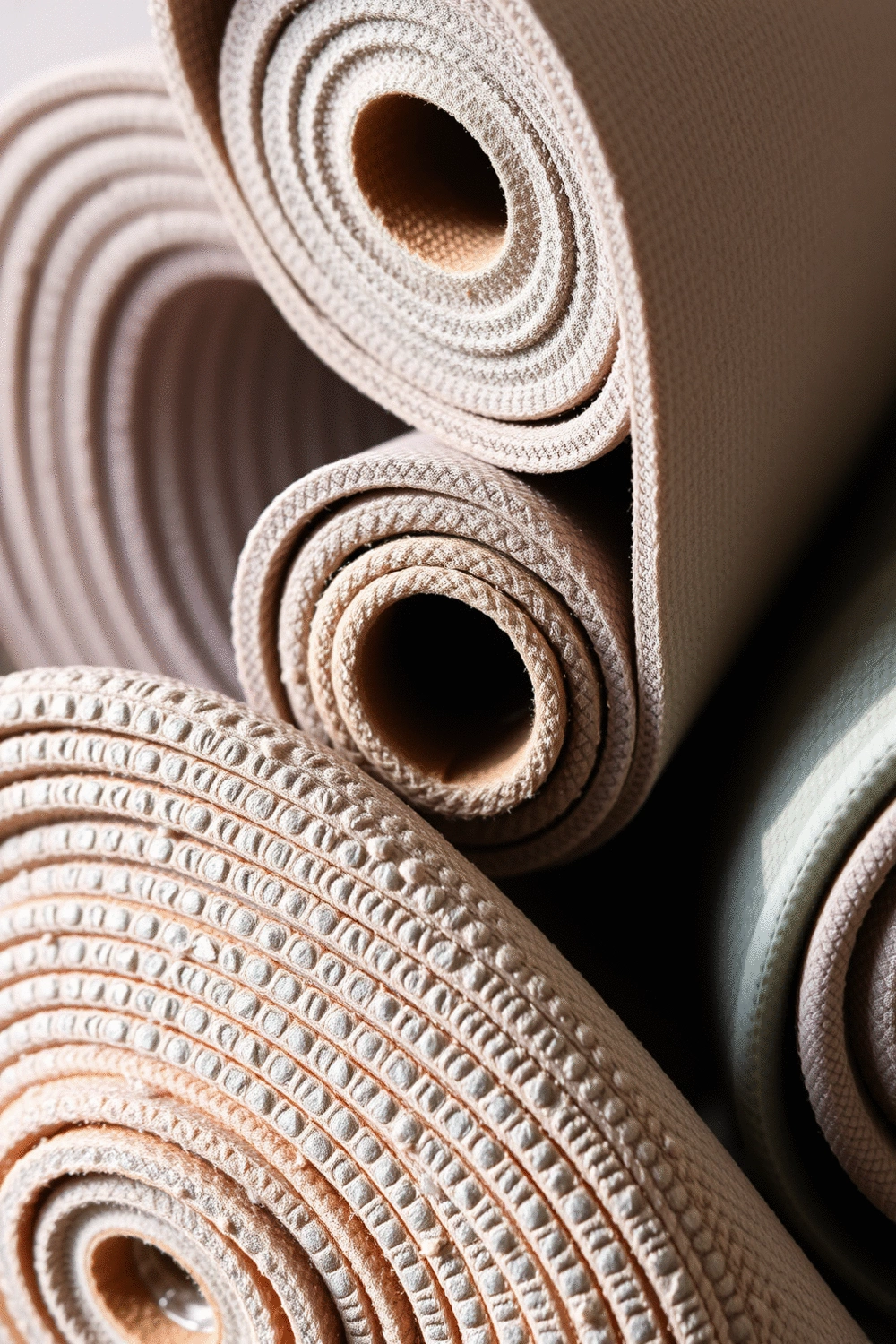
The Connection Between Thickness, Density, and Comfort
When it comes to yoga mats, thickness and density work hand in hand. A thicker mat typically offers more cushioning, which can relieve pressure on your joints during poses. However, it can also be less stable due to the extra padding. On the other hand, a denser mat can provide the stability you need while sacrificing some cushioning.
- Density affects stability: More density often equals more stability.
- Cushioning for comfort: Ideal for those with joint discomfort.
- Balance is key: Find a mat that offers both comfort and support.
In my experience, a mat that balances both thickness and density can elevate your practice significantly. It's all about finding that sweet spot that caters to your personal needs!
Exploring Traction and Stability: How Thickness Influences Your Practice
Traction is another critical factor influenced by the thickness of your yoga mat. Thicker mats may lose some grip, particularly in poses that require you to move around a lot. If you find yourself slipping, it might be time to reassess your mat choice. A stable base is essential for achieving those challenging poses without fear of losing your balance!
- Thicker mats: Often softer but may compromise grip.
- Thinner mats: Provide better traction for dynamic movements.
- Material matters: The right material can enhance grip regardless of thickness.
As you explore your options, consider how these factors play into your personal practice. If you're interested in finding mats with excellent grip, you might want to check out our article on high traction yoga mats!
Summarizing Your Yoga Mat Options for Optimal Comfort
As we dive deeper into the world of yoga mats, it’s essential to remember the key factors that influence your choice: thickness and density. Finding the right fit isn't just about personal preference; it’s about how your mat can enhance your practice. The right thickness provides the necessary cushioning, while the density ensures stability and support. Understanding how these elements affect your yoga experience is crucial for your comfort and performance.
In our previous discussions, we highlighted how different yoga styles require varying thickness levels and how density affects cushioning. For instance, if you practice dynamic styles like Vinyasa, a thicker mat might be beneficial for shock absorption. Conversely, if you enjoy gentler practices, a thinner mat could enhance your connection to the ground. Keeping these points in mind will help you make a more informed decision.
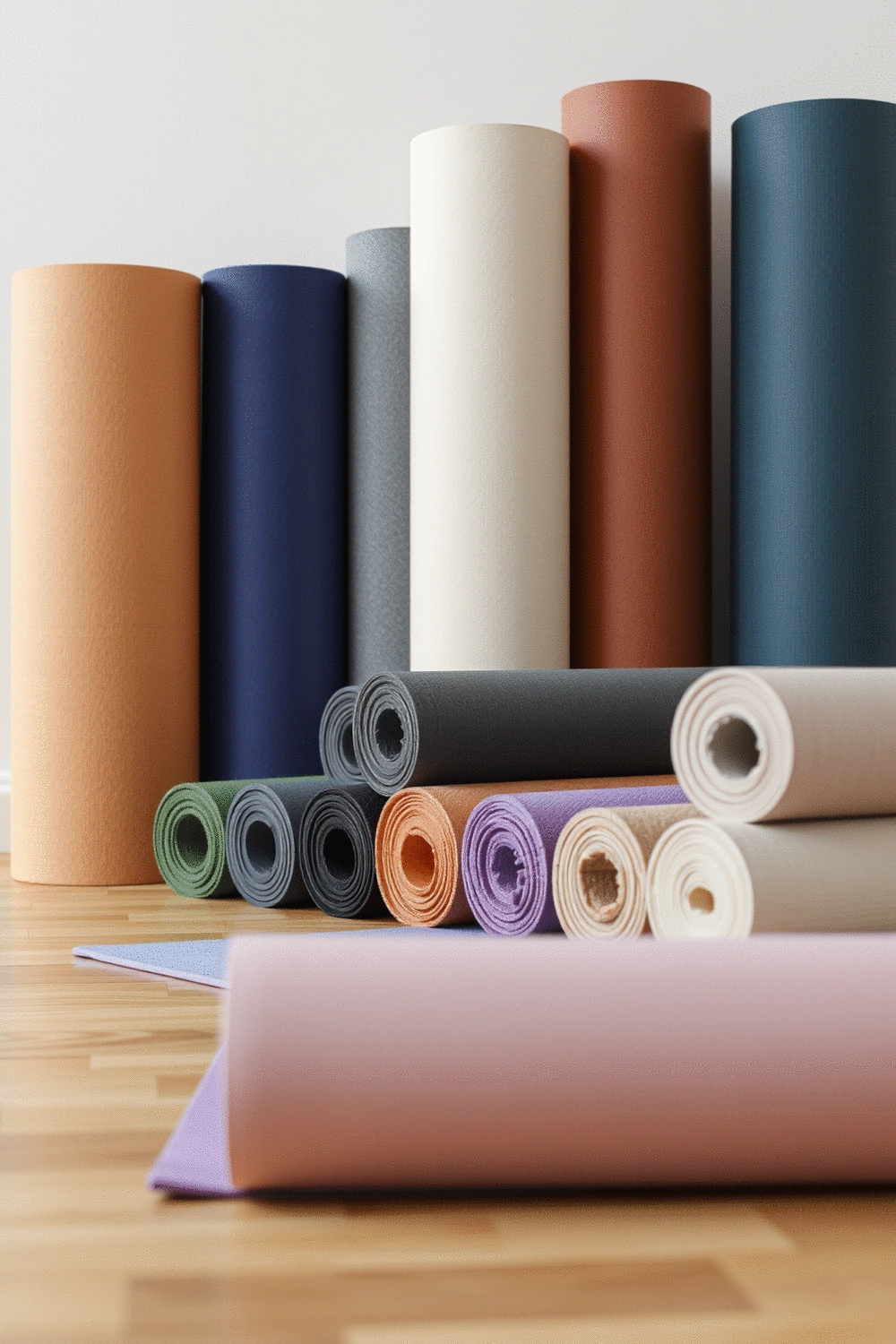
Recap of Key Points on Thickness and Density
- Thicker mats are ideal for dynamic practices, offering more cushioning.
- Thinner mats enhance stability and connection for restorative styles.
- The density of the mat impacts both comfort and grip during various poses.
Ultimately, your mat choice should align with your unique yoga journey. Whether you’re seeking extra support for your knees or prioritizing traction for balance, understanding these features will lead you toward the ideal mat for your practice!
Personalizing Your Yoga Mat Choice Based on Your Unique Needs
Finding the perfect yoga mat is a personal journey that reflects your individual needs and preferences. Are you a beginner just starting, or a seasoned yogi looking to refine your practice? Think about your body type, practice style, and even any joint sensitivities you may have. For example, if you have joint pain, opting for a thicker mat might be more comfortable during your practice.
Consider how often you practice and where. If you practice at home, you might prefer a mat that offers both comfort and durability. If you’re on the go, check out our guide on how to choose the perfect yoga mat for your style for tailored options!
Frequently Asked Questions About Yoga Mat Thickness and Density
- What is the ideal yoga mat thickness?
- For most yogis, a 1/8-inch thick mat offers a good balance between support and stability. However, the ideal thickness depends on your personal comfort, practice style, and any joint sensitivities. Thicker mats (1/4 to 1/2 inch) are better for joint support, while thinner mats (under 1/8 inch) enhance stability for balance poses.
- How does mat density affect my yoga practice?
- Mat density affects both stability and cushioning. Denser mats provide more stability and a firmer surface, which is good for balance poses, but may offer less cushioning. Less dense mats provide more cushioning for joint comfort but can feel less stable.
- Do thicker mats offer better grip?
- Not necessarily. Thicker mats can sometimes compromise grip, especially in dynamic practices where you move a lot. Thinner mats often provide better traction and a stronger connection to the ground. The material of the mat also plays a significant role in grip.
- Should I choose a thicker mat if I have joint pain?
- Yes, if you experience joint pain, a thicker mat (1/4 inch to 1/2 inch) can provide more cushioning and relieve pressure on your knees, wrists, and other joints during your practice.
- How do I choose the best mat for my yoga style?
- Consider your yoga style: dynamic practices like Vinyasa might benefit from a thicker mat for shock absorption, while gentler practices like restorative yoga might favor a thinner mat for better ground connection. Also, factor in your body type, frequency of practice, and personal comfort needs.
Taking the Next Steps: Make an Informed Decision for Your Practice
Engaging with Real User Experiences: Testimonials and Insights
One of the best ways to inform your decision is by diving into the experiences of others! Real testimonials can offer insights you might not have considered. Have you heard from fellow yogis about their favorite mats? Engaging with these stories can help you decide which mat might suit your practice best.
Join our community discussions or check out the comments under our detailed reviews—like our list of the best yoga mats for home practice. Hearing about others' journeys can enhance your understanding and make your choice feel more informed! For additional insights on maintaining your equipment, consider exploring why you should prioritize gym equipment maintenance.
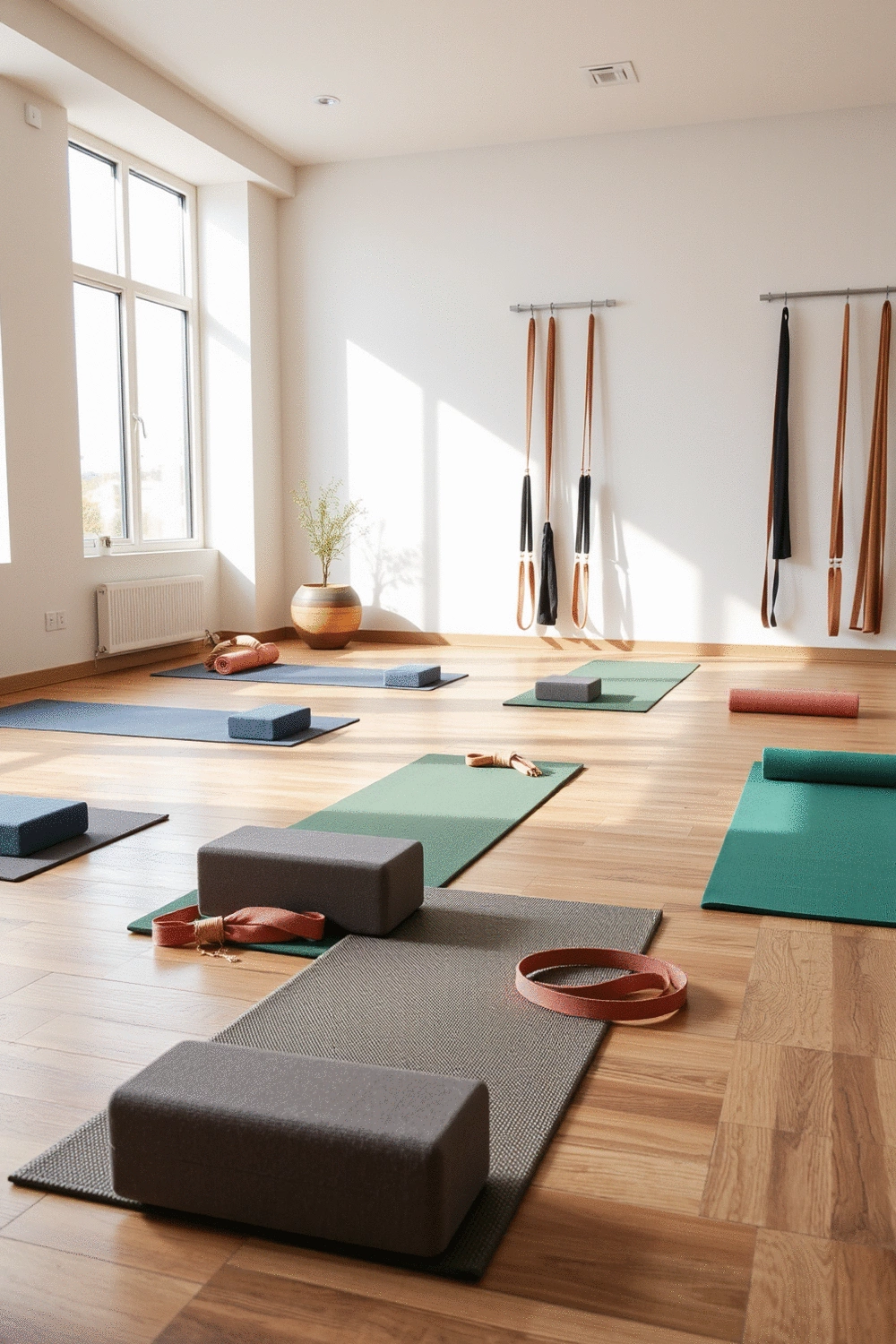
How to Choose the Right Mat for You: A Practical Guide
- Identify your yoga style and frequency of practice.
- Consider your body type and any specific needs.
- Test different thickness and density options to see what feels best.
Choosing the right mat involves a combination of research and personal exploration. Visit local stores to feel the mats or read reviews online to gather more information. Remember, every yogi is different, and what works for one might not suit another!
Exploring Price Points and Brand Options: What to Consider
When it comes to purchasing a yoga mat, price can vary significantly based on brand and materials. It's worth investing in a quality mat that meets your specific needs. Check out our top yoga mat brands for durability and grip for reliable options that won't break the bank!
In summary, take your time to explore the various options available. Your yoga mat is an investment in your practice, and finding the right one will enhance not only your comfort but also your overall experience. Embrace the journey—each choice you make brings you closer to your ideal practice space! For more tips on making sustainable choices, you might find value in 10 steps to creating a sustainable nutrition plan for long-term fitness, which highlights similar principles of thoughtful selection.
Recap of Key Points
Here is a quick recap of the important points discussed in the article:
- Thicker mats provide more cushioning, ideal for dynamic practices.
- Thinner mats enhance stability and connection for restorative styles.
- The density of the mat affects both comfort and grip during various poses.
- Experiment with different thicknesses and densities to find your perfect balance.
- Consider your individual needs and practice style when choosing a mat.

Lara V. Hargrove
Lara V. Hargrove is a passionate yoga enthusiast and wellness advocate dedicated to helping individuals cultivate mindful home yoga practices. With years of experience as a yoga practitioner and a deep understanding of yoga philosophy, Lara shares her insights and expertise through thoughtful reviews and practical guides. She believes in the transformative power of yoga and is committed to helping others create harmonious spaces for their practice.