How to Choose the Perfect Yoga Mat for Your Style
Choosing the right yoga mat can significantly enhance your practice and overall experience. Are you ready to discover what makes a mat not just functional but also transformative? Let’s explore the essential factors to consider in your journey towards finding the perfect yoga mat!
As an Amazon Associate I earn from qualifying purchases. Affiliate links may earn me a commission at no extra cost to you.
What You Will Learn
- The importance of stability, support, and durability in enhancing your yoga practice.
- How material, thickness, and texture influence your comfort and performance on the mat.
- The benefits of selecting eco-friendly and non-toxic yoga mats for a sustainable practice.
- Key factors to consider based on your specific yoga style, such as Vinyasa, Hatha, or Hot yoga.
Understanding the Importance of Choosing the Right Yoga Mat
Selecting the right yoga mat is crucial for anyone looking to deepen their practice. A quality mat can enhance your experience, providing the necessary grip and support to help you flow through poses with ease. Whether you're a beginner or a seasoned yogi, understanding how mats can impact your practice is essential for nurturing your journey on the mat.
Without the right yoga mat, you might find yourself slipping or feeling uncomfortable during your sessions, which can detract from the meditative aspects of your practice. So, let's dive into how yoga mats affect your journey and what to consider when choosing one!
How Yoga Mats Affect Your Practice
The right yoga mat serves as your home base during practice. It can influence everything from your alignment to your overall comfort. Here are a few reasons why it’s vital to choose wisely:
- Stability: A mat with good grip helps you maintain balance in challenging poses.
- Support: Thickness can alleviate pressure on your joints, especially during floor work.
- Durability: Investing in a long-lasting mat saves you money and keeps your practice consistent.
As I’ve experienced in my own journey with yoga, having a reliable mat can transform your practice into a more enjoyable and fulfilling experience. It’s not just about aesthetics; it’s about ensuring you feel secure and supported every time you step onto your mat!
The Role of Material, Thickness, and Texture in Comfort
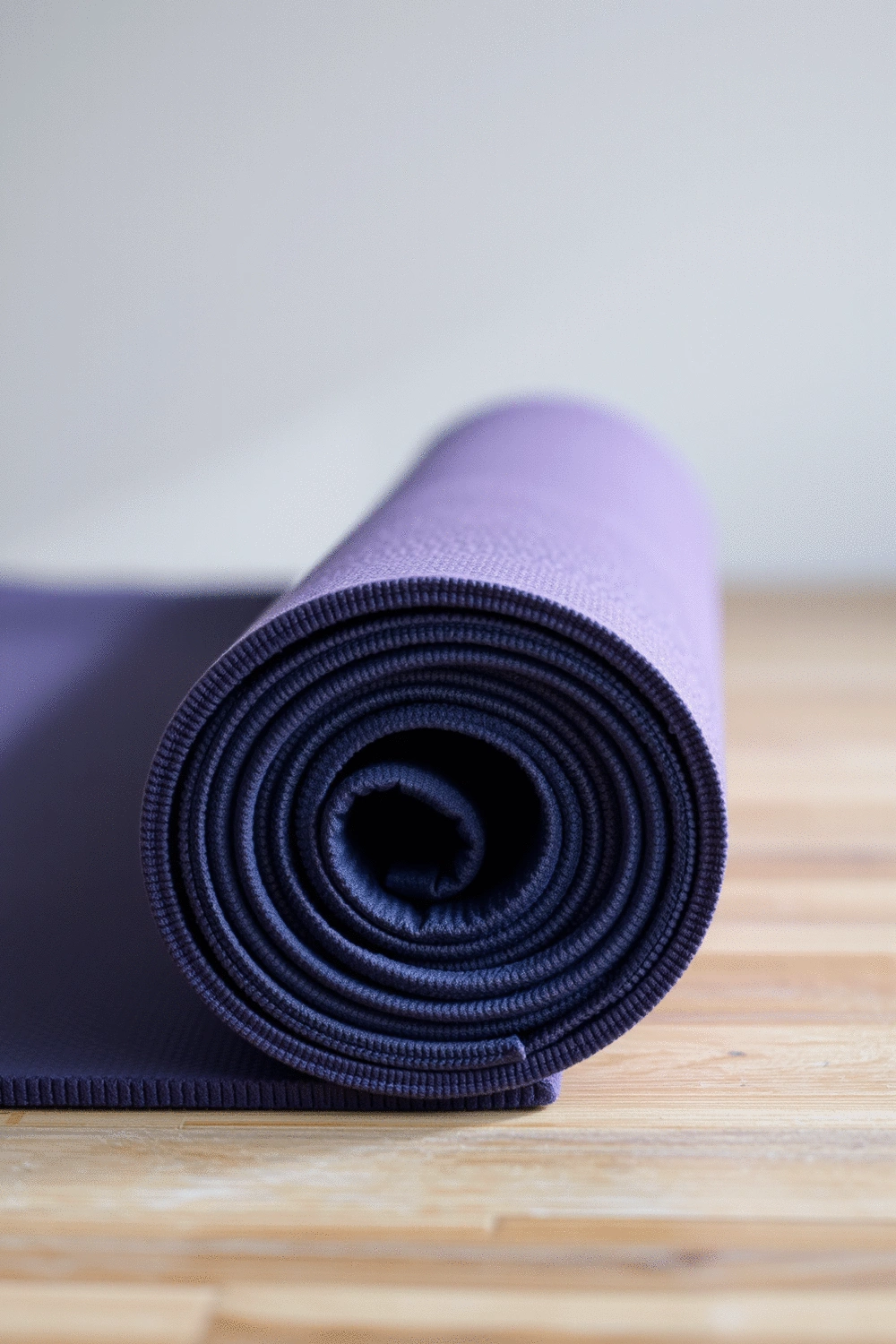
When it comes to yoga mats, the material, thickness, and texture play pivotal roles in your comfort and performance. Each characteristic can make or break your experience during practice:
- Material: Look for mats made from natural rubber, thermoplastic elastomer (TPE), or PVC. Each offers different levels of grip and eco-friendliness.
- Thickness: Mats typically range from 1/16 to 1/4 inches thick. Thicker mats provide more cushioning, while thinner ones can offer better stability.
- Texture: The surface texture of a mat affects how much grip you have. A textured surface can help prevent slipping, especially during sweaty practices.
Finding the right balance of these elements can lead to a more enjoyable practice. Make sure to test out a few options to see which feels best for you!
Exploring Eco-Friendly and Non-Toxic Yoga Mat Options
As a wellness advocate, I’m excited to highlight the growing availability of eco-friendly and non-toxic yoga mats. Choosing a sustainable mat not only benefits your practice but also supports the planet. Here are some options to consider:
- Natural Rubber: Biodegradable and made from rubber trees, these mats are a great eco-conscious choice.
- TPE Mats: These are made from recycled materials and are free of harmful chemicals.
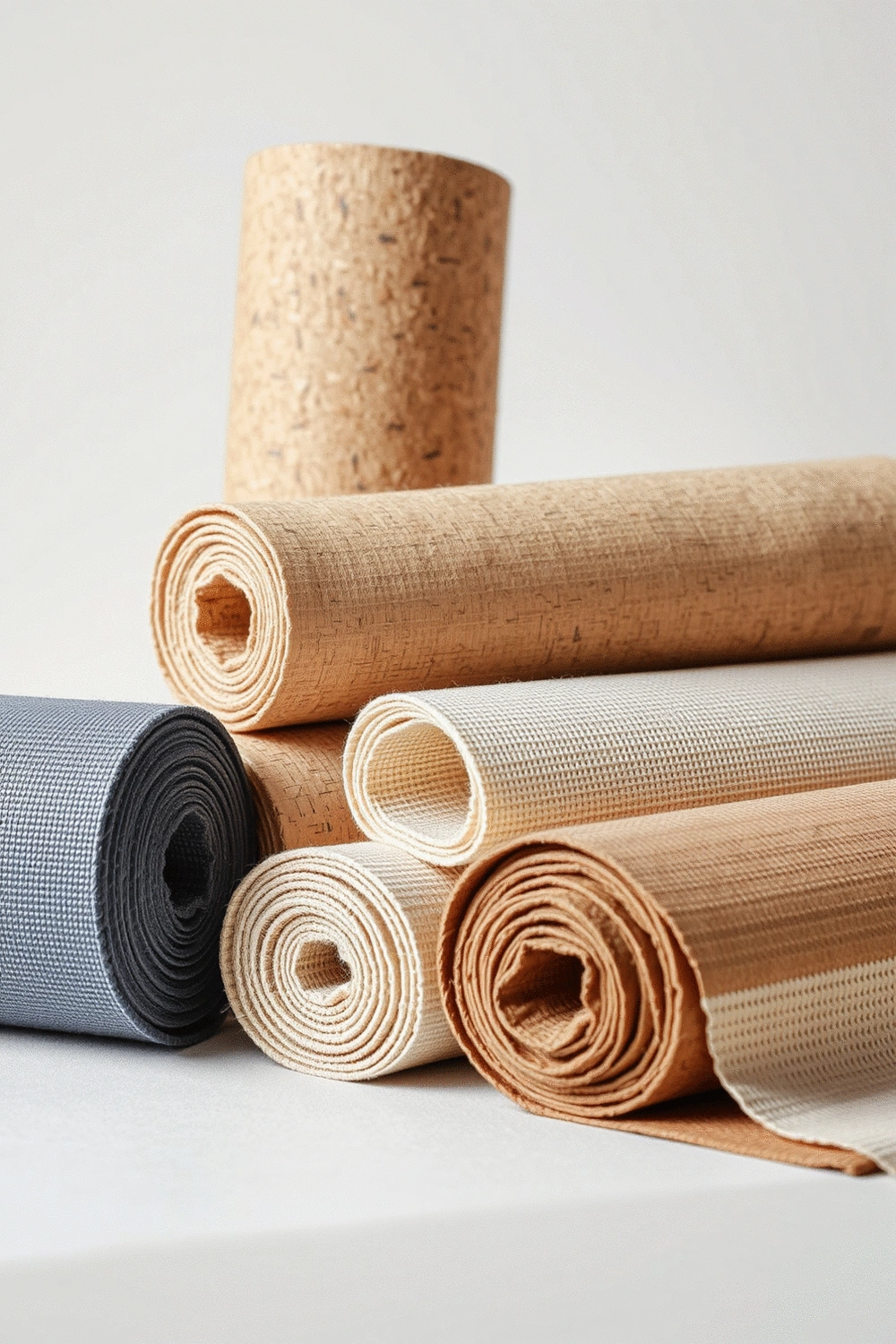
- Cork and Jute Mats: Both materials are natural and provide unique textures while being environmentally friendly.
By selecting eco-friendly mats, you’re contributing to a healthier planet while enjoying your yoga journey. Interested in learning about the best mats for home practice? Check out our detailed guide on the top yoga mats for home practice!
Recap of Key Factors for Selecting Your Yoga Mat
Choosing the right yoga mat is essential for enhancing your practice! From the type of yoga you practice to the materials used, there are many factors to consider. Here’s a quick recap of key aspects to keep in mind:
- Yoga Style: Different styles, such as Vinyasa or Hatha, require specific mat features for optimal performance.
- Material and Eco-Friendliness: Opt for mats that are both durable and made from environmentally friendly materials.
- Thickness and Texture: Choose a mat that provides the right amount of cushioning and grip for your comfort.
- Portability: If you plan to take your mat to classes or retreats, consider its weight and how easily it rolls up.
Your choice of mat truly matters for your yoga journey. A suitable mat not only supports your poses but also enhances your overall experience. So, invest the time to find one that resonates with your personal practice style and comfort preferences!
Summarizing Considerations for Different Yoga Styles
As you reflect on the factors that affect your decision, remember that the mat you choose should align with your specific yoga style:
- For Vinyasa yoga, prioritize stability and grip to keep you grounded during dynamic flows.
- If you practice Hatha yoga, look for a mat that offers comfort and balance during longer holds.
- For Hot yoga, moisture-wicking materials and excellent grip are essential to handle those heated sessions.
Each style has its unique requirements, so consider how they align with your own practice to find the right fit!
Why Your Choice of Mat Matters for Your Yoga Journey
Choosing a mat is more than just selecting a piece of gear; it’s about creating a supportive environment for your practice. A quality mat can enhance your alignment, provide necessary cushioning, and help you feel more confident in your movements. It’s like having a personal space that nurtures your yoga journey.
Whether you're a beginner exploring your first 10 poses or an experienced yogi refining your skills, the right mat can truly transform your practice. Remember, a well-chosen mat serves as a foundation for your growth and development!
Next Steps: Finding the Perfect Yoga Mat for You
Where to Shop for Your Ideal Yoga Mat
Once you’ve outlined your needs and preferences, it’s time to hit the shops! You can find a variety of options online and in local stores. Here are a few places to consider:
- Online retailers specializing in yoga gear
- Local fitness stores that offer a selection of mats
- Yoga studios that often sell mats and other accessories
Don't forget to check reviews and customer feedback to ensure you’re making a well-informed decision. If you're curious about durability and grip, our list of top yoga mat brands can help guide your search!
FAQs About Choosing a Yoga Mat
- What are the most important factors to consider when choosing a yoga mat?
The most important factors include stability (grip), support (thickness), and durability. Material, texture, and eco-friendliness are also crucial for comfort and sustainability. - How does mat thickness affect my yoga practice?
Thicker mats (e.g., 1/4 inch) offer more cushioning, which is beneficial for joint protection during floor poses. Thinner mats (e.g., 1/16 inch) provide better stability and a closer connection to the floor, often preferred for standing poses and balance work. - What materials are considered eco-friendly for yoga mats?
Eco-friendly options include natural rubber, thermoplastic elastomer (TPE), cork, and jute. These materials are often biodegradable, recyclable, or free from harmful chemicals. - Which yoga mat is best for Vinyasa yoga?
For Vinyasa yoga, prioritize mats with excellent grip and stability to prevent slipping during dynamic flows. Natural rubber or TPE mats with a textured surface are often good choices. - Can the right yoga mat really improve my practice?
Yes, a well-chosen mat can significantly enhance your practice by providing proper grip, cushioning, and support, which can improve alignment, confidence, and overall enjoyment.
Encouragement to Share Your Experiences and Choices
Your journey in finding the right mat is personal, and I’d love to hear about it! Sharing your experiences not only allows you to reflect on your choices but also helps others in the community. What features did you find most beneficial, or which mats ended up being your favorites? Your insights could inspire someone else to explore their own path!
Building Your Yoga Toolkit: Essential Accessories and Props
In addition to your yoga mat, consider enhancing your practice with essential accessories and props. Here’s a quick list of must-have items to round out your yoga toolkit:
- Yoga straps: Great for improving flexibility and reach. Learn how to pick the perfect one with our guide: How to Pick the Perfect Yoga Strap for Flexibility.
- Yoga blocks: Perfect for support and stability during poses. Discover the right size and material here: Yoga Blocks: Find the Right Size and Material.
- Yoga bolsters: Ideal for restorative practices and added comfort. See our reviews: Top Yoga Bolsters Review.
These items not only complement your mat but can also elevate your practice to new heights. A well-equipped space can truly foster a nurturing environment where you can thrive! For women looking to optimize their fitness routines, consider integrating sustainable nutrition plans to support their physical activity. And if you're exploring different types of equipment to complement your yoga practice, understanding how to choose the best dumbbells for home workouts can be very beneficial.
Recap of Key Points
Here is a quick recap of the important points discussed in the article:
- Yoga Style: Different styles, such as Vinyasa or Hatha, require specific mat features for optimal performance.
- Material and Eco-Friendliness: Opt for mats that are both durable and made from environmentally friendly materials.
- Thickness and Texture: Choose a mat that provides the right amount of cushioning and grip for your comfort.
- Portability: If you plan to take your mat to classes or retreats, consider its weight and how easily it rolls up.

Lara V. Hargrove
Lara V. Hargrove is a passionate yoga enthusiast and wellness advocate dedicated to helping individuals cultivate mindful home yoga practices. With years of experience as a yoga practitioner and a deep understanding of yoga philosophy, Lara shares her insights and expertise through thoughtful reviews and practical guides. She believes in the transformative power of yoga and is committed to helping others create harmonious spaces for their practice.