Comparison of Eco-Friendly Yoga Mats for Budget
Choosing the right yoga mat can significantly impact your practice, especially when considering eco-friendliness. Understanding the essential features of eco-friendly yoga mats can empower you to make choices that align with your values and enhance your practice.
As an Amazon Associate I earn from qualifying purchases. Affiliate links may earn me a commission at no extra cost to you.
What You Will Learn
- Eco-friendly yoga mats are made from sustainable materials like natural rubber, cork, and jute.
- Look for certifications such as GOTS or OEKO-TEX® to ensure product safety and sustainability.
- Choosing biodegradable and non-toxic mats minimizes your ecological footprint and promotes a healthier practice environment.
- Understanding grip performance under different conditions can help you select the right mat for your practice style.
- Padding thickness affects joint support and stability—choose based on your personal preference and yoga type.
- Regular maintenance and proper storage can extend the life of your eco-friendly yoga mat.
Understanding Eco-Friendly Yoga Mats: The Basics
When it comes to cultivating a mindful home yoga practice, choosing the right yoga mat is essential, especially if you're aiming for an eco-friendly option! But what does that really mean? Understanding the basics of eco-friendly yoga mats can help you make informed choices that align with your values.
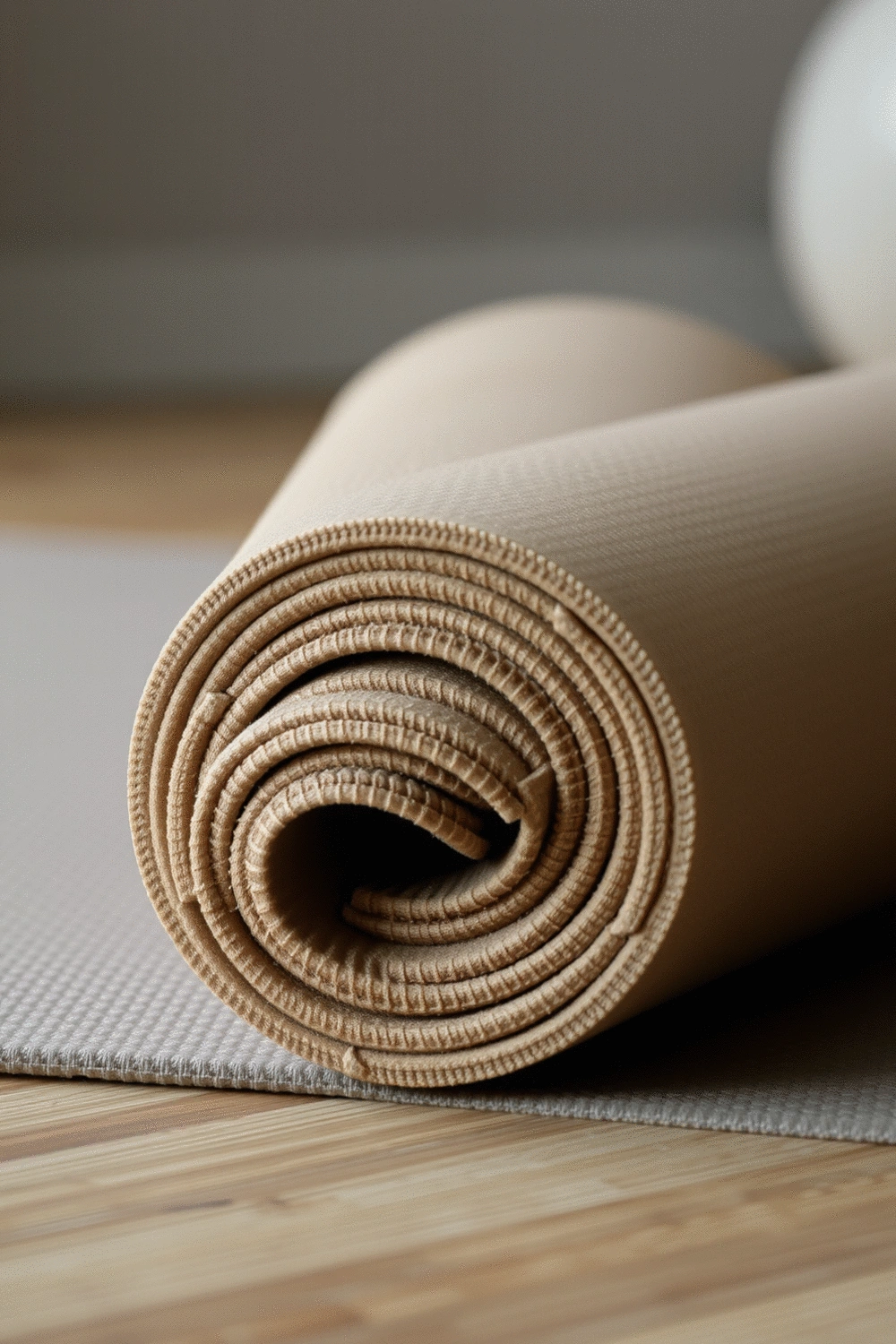
An eco-friendly yoga mat is typically made from materials that are sustainable, biodegradable, and free from toxic chemicals. This commitment not only benefits your personal health but also supports the planet. I believe that every small action counts, and opting for eco-friendly gear is a great step towards a more conscious practice.
What Makes a Yoga Mat Eco-Friendly?
To identify an eco-friendly yoga mat, look for a few key factors:
- Materials: Natural and renewable materials such as rubber, jute, and cotton.
- Production methods: Eco-conscious manufacturing processes that reduce waste and environmental impact.
- Certifications: Look for certifications like the Global Organic Textile Standard (GOTS) or OEKO-TEX® Standard 100.
By prioritizing these elements, you not only enhance your practice but also contribute to a healthier planet. Yoga Fit Space Daily is passionate about empowering practitioners to make these choices, as reflected in our comprehensive guides and reviews.
Key Materials Used in Sustainable Yoga Mats
There are several materials commonly used in eco-friendly yoga mats, and understanding their benefits can help you choose the right one for your practice:
- Natural Rubber: Provides excellent grip and cushioning.
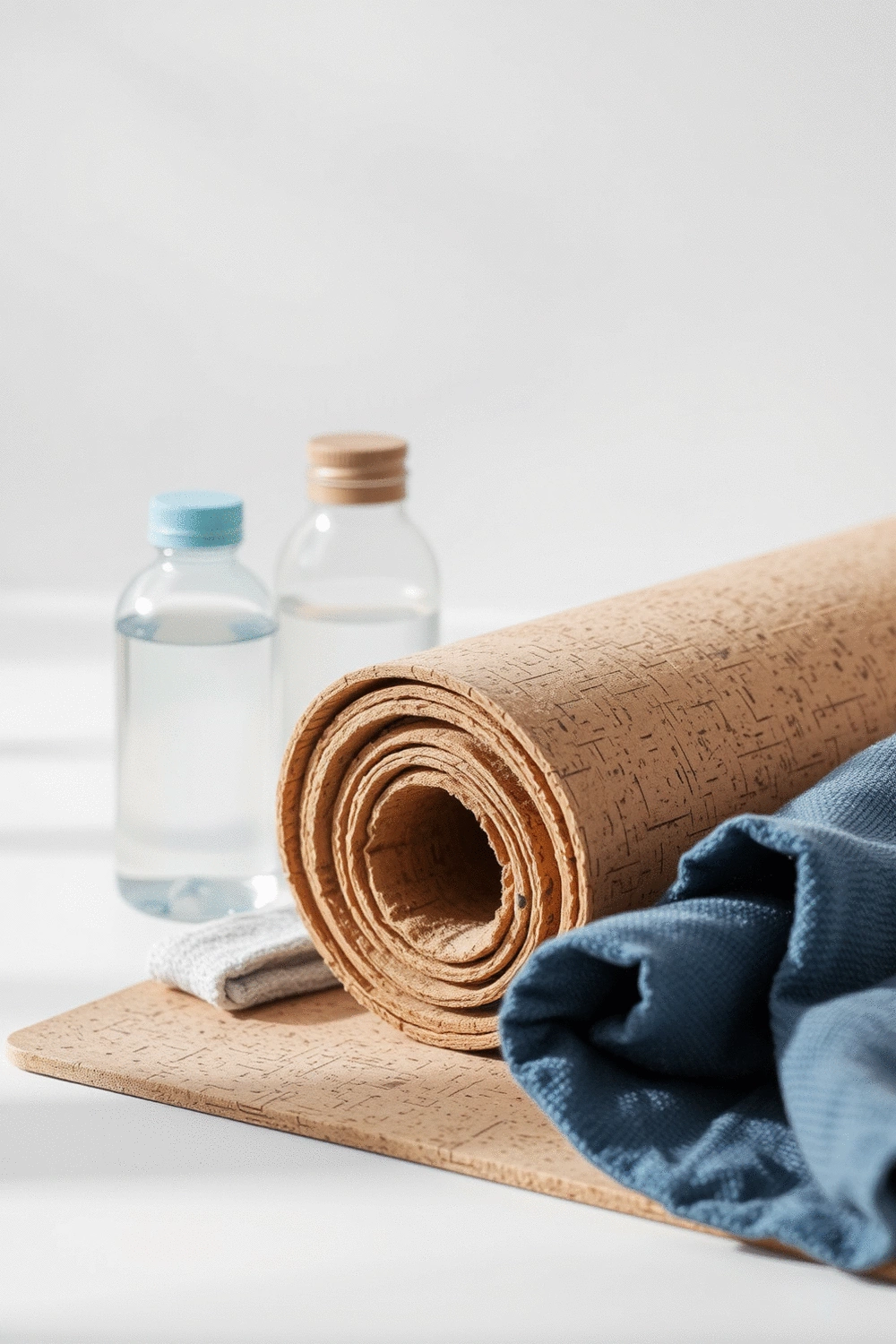
- Cork: Offers a unique texture and is naturally antimicrobial.
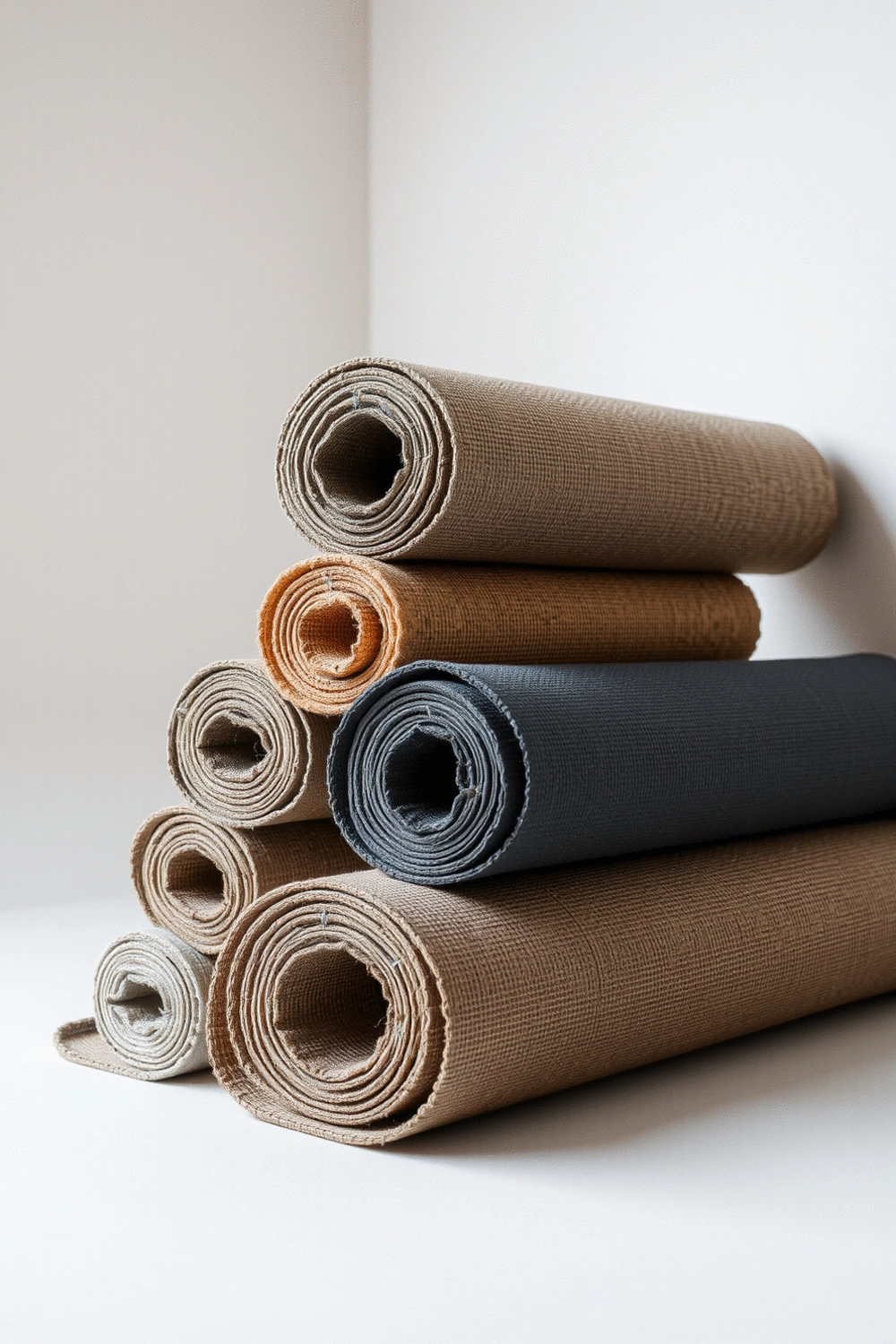
- Jute: A strong, biodegradable option that adds an earthy aesthetic.
- Organic Cotton: Soft and comfortable, ideal for gentle practices.
Each material brings its own benefits, and I encourage you to consider what feels best for you! If you're curious about how to choose based on your style, check out our guide on how to pick the perfect yoga mat.
Exploring Biodegradable and Non-Toxic Yoga Mats
Choosing biodegradable and non-toxic mats is crucial for those who want to minimize their ecological footprint. These mats break down naturally over time, leaving no harmful residue in landfills. Look for options that specify their biodegradable qualities in their product descriptions.
Additionally, many eco-friendly mats are made without harmful chemicals such as phthalates or heavy metals. This ensures a safer practice environment for you and the planet. Remember to research and verify the materials used in the mats you're considering—this ensures you're making a truly eco-conscious choice!
For more in-depth insights on selecting the right yoga gear, visit our post on must-have gear for your home yoga studio to guide your decisions further!
Durability and Performance: What to Expect
When you're investing in an eco-friendly yoga mat, understanding its durability and performance is key! After all, you want a mat that can withstand your practice while being kind to the planet. Let’s dive into what you can expect regarding grip, padding, and odor resistance to ensure you make the right choice.
Grip Performance: Dry vs. Wet Conditions
A great yoga mat should provide a reliable grip, whether you're sweating through a hot yoga class or practicing gentle stretches at home. Different materials perform uniquely under varying conditions, so it's essential to consider how often you practice and in what environment.
- Natural rubber: Excellent grip in both dry and wet conditions.
- Cork: Offers a unique, textured surface that becomes grippier with moisture.
- TPE: Good grip but may lose traction when wet.
Choosing the right mat based on your practice habits will help enhance your experience. Remember, a mat that slips can distract you from your flow! If you're looking for ways to boost your overall fitness, consider exploring sustainable nutrition plans for long-term fitness on our women's health subdomain.
Padding Thickness: How It Affects Your Practice
Padding thickness is another critical factor to consider. A thicker mat can cushion your joints during challenging poses, while a thinner mat often provides better stability. Here’s a quick comparison:
- Thick mats (6mm+): Great for joint support, ideal for restorative practices.
- Medium mats (4-6mm): Balanced comfort and stability, suitable for most yoga styles.
- Thin mats (3mm or less): Excellent for stability in standing poses, but may lack cushioning.
Ultimately, the best padding thickness for you depends on your personal preference and the type of yoga you practice. Try different options to find your sweet spot!
Odor Resistance: Keeping Your Mat Fresh
One common concern with yoga mats, especially those made from rubber, is odor. Many eco-friendly mats are designed to minimize this issue. Mats made from natural materials like cork or organic cotton tend to be more odor-resistant compared to synthetic alternatives. Here’s what you should know:
- Natural rubber: May have a distinct smell at first but typically lessens over time.
- Cork: Naturally antimicrobial, preventing odors from building up.
- TPE: Usually odorless but check for quality variations.
Regular cleaning and proper storage can further help in keeping your mat fresh. A little care goes a long way!
Yoga Mat Durability: Real-world Longevity Testing
Finally, durability is crucial when selecting your mat. Eco-friendly mats are designed to last, but some materials outperform others. To help you choose wisely, consider these factors:
- Material quality: Higher quality materials usually equate to greater longevity.
- Frequency of use: More regular use demands a tougher mat.
- Maintenance: Proper care can significantly extend the life of your mat.
If you're curious about specific brands and how they hold up over time, check out our detailed review on top yoga mat brands. You'll gain insights that can help guide your choice! Additionally, to complement your yoga practice, exploring different types of exercise equipment can be beneficial, such as learning about stationary bikes versus treadmills for home use.
FAQs about Eco-Friendly Yoga Mats
- What materials are considered eco-friendly for yoga mats?
- Eco-friendly yoga mats are typically made from sustainable, natural, and renewable materials such as natural rubber, cork, jute, and organic cotton.
- How can I ensure a yoga mat is truly eco-friendly?
- Look for certifications like the Global Organic Textile Standard (GOTS) or OEKO-TEX® Standard 100. Also, check that the mat is biodegradable, non-toxic, and made using eco-conscious production methods.
- Does an eco-friendly yoga mat offer good grip?
- Yes, many eco-friendly materials offer excellent grip. Natural rubber provides great traction in both dry and wet conditions, while cork becomes even grippier with moisture.
- What is the ideal thickness for an eco-friendly yoga mat?
- The ideal thickness depends on your personal preference and yoga style. Thicker mats (6mm+) offer more joint support for restorative practices, medium mats (4-6mm) provide a balance of comfort and stability, and thin mats (3mm or less) are great for stability in standing poses.
- How can I keep my eco-friendly yoga mat from smelling?
- Regular cleaning and proper storage are key. Mats made from naturally antimicrobial materials like cork are more odor-resistant. Natural rubber mats may have an initial scent that fades over time.
Recap of Key Points
Here is a quick recap of the important points discussed in the article:
- Choose eco-friendly yoga mats made from sustainable materials like natural rubber, jute, and organic cotton.
- Look for mats produced with eco-conscious methods and certifications such as GOTS or OEKO-TEX® Standard 100.
- Consider grip performance, padding thickness, and odor resistance when selecting a mat for your practice.
- Opt for biodegradable and non-toxic mats to minimize your ecological footprint and ensure a safer practice environment.
- Prioritize durability by selecting high-quality materials and maintaining your mat properly to extend its lifespan.

Lara V. Hargrove
Lara V. Hargrove is a passionate yoga enthusiast and wellness advocate dedicated to helping individuals cultivate mindful home yoga practices. With years of experience as a yoga practitioner and a deep understanding of yoga philosophy, Lara shares her insights and expertise through thoughtful reviews and practical guides. She believes in the transformative power of yoga and is committed to helping others create harmonious spaces for their practice.