Non-Toxic Yoga Mat Brands for Safe Practice
What if your yoga practice could also be a vote for a healthier planet? Choosing non-toxic yoga mats is not just about personal comfort; it's about embracing sustainability and well-being. Let's explore how these choices benefit both you and the environment.
As an Amazon Associate I earn from qualifying purchases. Affiliate links may earn me a commission at no extra cost to you.
What You Will Learn
- Natural materials like rubber, cork, and organic cotton enhance grip and comfort while being eco-friendly.
- Avoid harmful materials such as PVC, TPE, and EVA to reduce exposure to toxic substances during practice.
- Investing in non-toxic yoga mats not only promotes personal health but supports a sustainable future.
- Choosing non-toxic mats can significantly improve indoor air quality and create a healthier home environment.
- Look for certifications like GOTS and OEKO-TEX to identify eco-friendly products when shopping for mats.
Understanding Non-Toxic Yoga Mats: Importance of Safety and Sustainability
As a yoga enthusiast, I can’t stress enough the importance of using non-toxic yoga mats for our practice! These mats not only support our physical needs but also align with our values of safety and sustainability. In this section, we’ll explore what truly makes a yoga mat non-toxic and eco-friendly, and why it matters.
When choosing a yoga mat, I often think about the materials involved. Natural rubber, cork, and organic cotton are some of the top contenders for non-toxic mats. These materials are not only environmentally friendly but also provide excellent grip and comfort for your practice. Here’s a simple list of materials to consider when selecting your mat:
- Natural Rubber: Offers excellent traction and durability.
- Cork: A sustainable option that is naturally antimicrobial.
- Organic Cotton: Soft and comfortable, perfect for light practices.
On the flip side, it’s crucial to avoid harmful substances like PVC, TPE, and EVA. These materials can release toxins during production and throughout their lifespan, which is why I opt for mats made from natural materials. Let's delve into why these substances are best left out of our practice:
- PVC: Commonly used but associated with health risks.
- TPE: While marketed as eco-friendly, its production still raises concerns.
- EVA: Lightweight but can emit harmful chemicals.
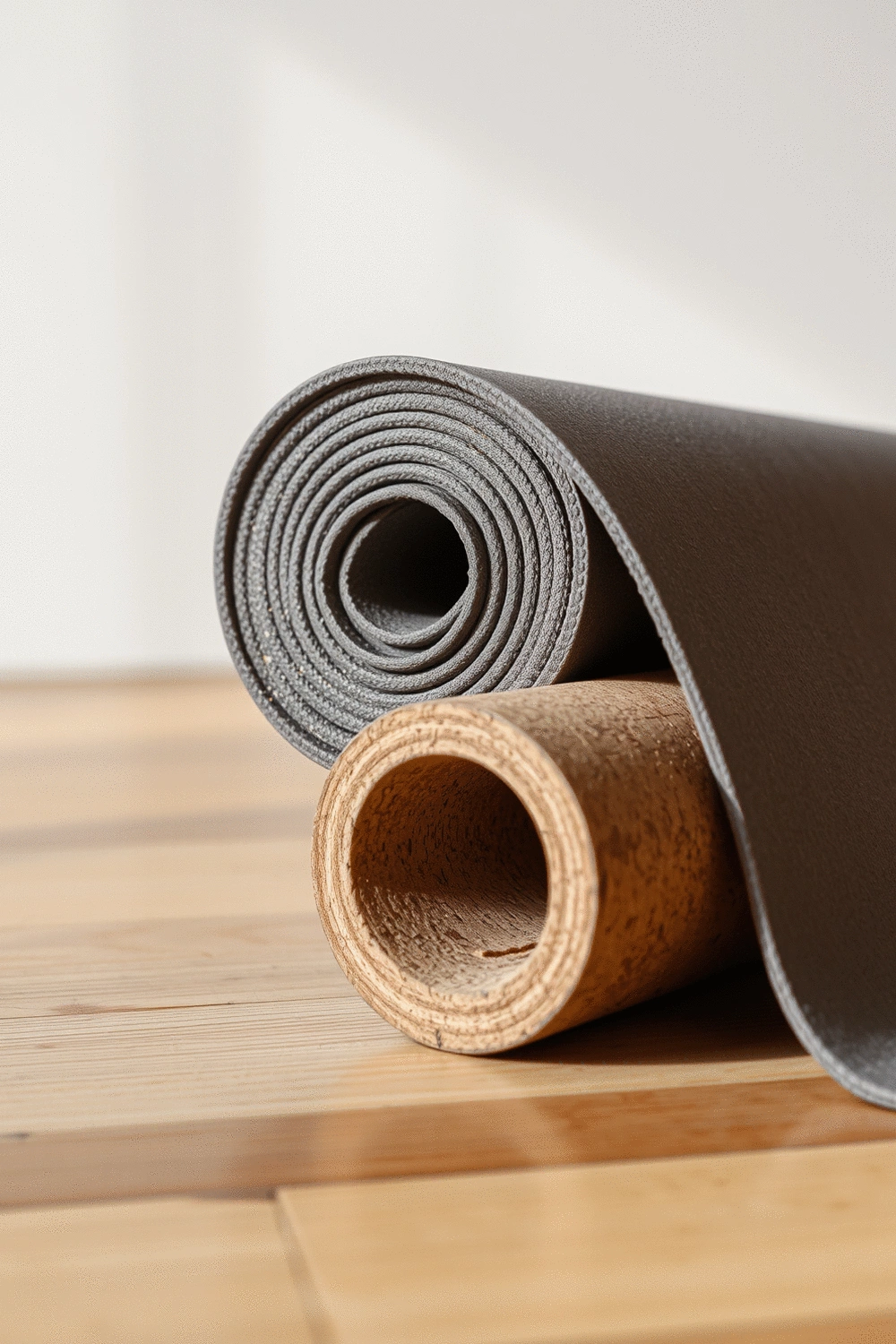
What Makes a Yoga Mat Non-Toxic and Eco-Friendly?
A non-toxic yoga mat is defined by its materials and the manufacturing processes involved. It’s reassuring to know that by choosing eco-friendly options, I’m not only taking care of my health but also the planet's. The impact of our choices extends beyond our practice space, contributing to a wider movement toward sustainability.
In addition to being mindful of the material, I also consider the health implications of my mat. Non-toxic yoga mats can lead to long-term health benefits for users, reducing exposure to harmful chemicals and promoting overall wellness. When practicing on a mat free of toxic materials, we create a safer environment that encourages deeper connection and focus.
Long-Term Health Benefits for Users
Using non-toxic materials can lead to fewer allergic reactions and sensitivities, allowing us to enjoy our practice without discomfort. As someone who values wellness, I appreciate how a non-toxic mat nurtures my body and mind. If you’re curious about how these materials impact your practice, check out our post on how to choose the perfect yoga mat for your style.
Additionally, non-toxic mats can significantly improve indoor air quality. By avoiding chemical-laden products, we contribute to creating a healthier home environment, which is something I prioritize in my yoga journey.
Addressing Sensitivities and Allergies with Non-Toxic Materials
Many of us have experienced allergies or sensitivities, especially when practicing on traditional mats. Non-toxic materials provide a gentle alternative that can make a world of difference. Being able to roll out my mat and focus entirely on my practice, free from irritation, is priceless!
Let's not forget about the ambiance of our practice space. A mat that contributes to improved air quality helps foster a serene atmosphere, which is essential for a mindful practice. This consideration connects beautifully with our mission at Yoga Fit Space Daily: to inspire and empower practitioners to create balanced spaces.
Making an Informed Choice: The Value of Non-Toxic Yoga Mats
When it comes to investing in yoga gear, particularly yoga mats, understanding the value of non-toxic options is key. While the initial price may seem higher compared to conventional mats, consider this as an investment in your health and well-being. Non-toxic mats not only prioritize your health but also contribute to a sustainable future. Let's dive into what you can expect when making this investment!
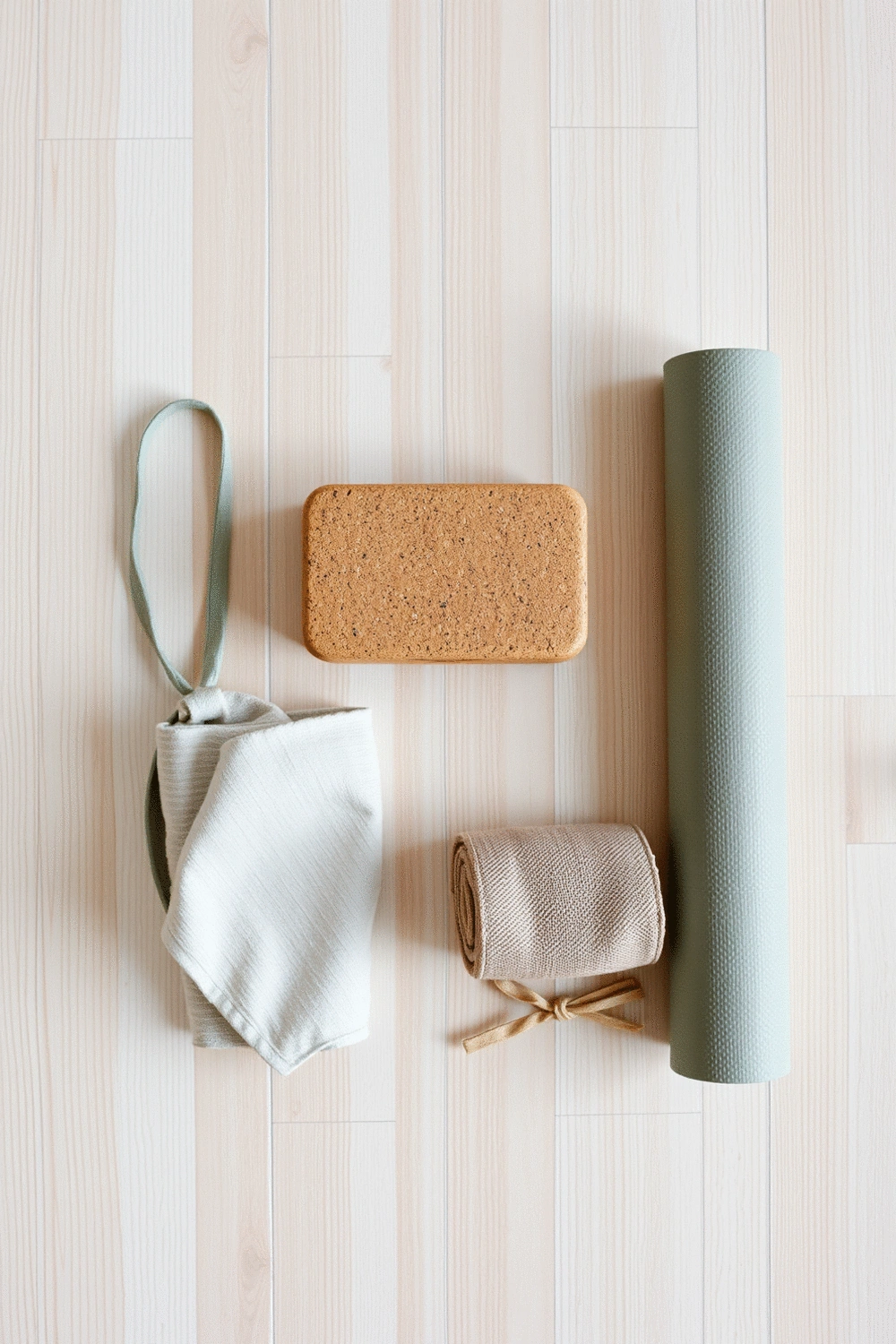
Price vs. Value: What to Expect for Your Investment
First, let’s consider the long-term benefits of non-toxic yoga mats. Although they may come with a higher upfront cost, their durability and safety features can save you money over time. Here’s a quick breakdown of the cost comparisons of non-toxic yoga mats:
- Durability: High-quality non-toxic mats typically last longer, meaning you won't have to replace them as frequently.
- Health Benefits: Investing in materials free from harmful chemicals can lead to fewer health issues, such as skin irritations and respiratory problems.
- Environmental Impact: By choosing eco-friendly options, you support sustainable practices, which contribute to a healthier planet.
As you reflect on your investment, think about how each of these factors contributes to your overall yoga experience. Remember, a good yoga mat is not just a surface for your practice; it's a foundation for your wellness journey!
For more insights on making smart choices for your yoga practice, you might find our article on the impact of ergonomic exercise equipment on injury prevention helpful.
Where to Buy Non-Toxic Yoga Mats: Reliable Retailers
Finding the right place to purchase your non-toxic yoga mat can make all the difference. There are many retailers both online and locally that specialize in eco-friendly options. Here are some reliable sources to consider:
- Online Retailers: Websites like Amazon, Thrive Market, and specialized yoga gear stores often have a wide selection of non-toxic mats.
- Local Yoga Studios: Many studios sell high-quality mats and can provide recommendations based on user feedback.
- Eco-Friendly Stores: Check out local health and wellness shops that focus on sustainable products.
As you shop, look for labels that indicate eco-friendly practices. If you're unsure, don’t hesitate to ask store personnel for help in identifying eco-friendly products. They can guide you to the right mats that align with your values!
How to Spot Eco-Friendly Products in Retail Environments
When browsing for non-toxic yoga mats, keep an eye out for specific certifications and labels that signal eco-friendliness. Here are some tips to help you spot the right products:
- Look for Certifications: Labels such as GOTS, OEKO-TEX, or similar can indicate the product's safety and environmental impact.
- Check Material Descriptions: Focus on mats made from natural rubber, cork, or organic cotton, which are safer and more sustainable.
- Ask Questions: Don’t hesitate to inquire about the sourcing and manufacturing processes. A reputable seller will be happy to provide this information!
Being informed about what to look for can enhance your shopping experience and ensure that you’re making a responsible choice for your practice!
Frequently Asked Questions About Non-Toxic Yoga Mats
Here are some common questions to help you further understand the benefits and choices related to non-toxic yoga mats:
- Q: What materials are considered non-toxic for yoga mats?
- A: Non-toxic yoga mats are typically made from natural rubber, cork, and organic cotton. These materials are environmentally friendly and offer excellent grip and comfort without harmful chemicals.
- Q: Why should I avoid PVC, TPE, and EVA in yoga mats?
- A: PVC, TPE, and EVA are synthetic materials that can release toxins during manufacturing and over their lifespan. Exposure to these chemicals can pose health risks and contribute to indoor air pollution, making non-toxic alternatives a healthier choice.
- Q: What are the long-term health benefits of using non-toxic yoga mats?
- A: Using non-toxic mats reduces your exposure to harmful chemicals, which can lead to fewer allergic reactions and sensitivities. They also contribute to improved indoor air quality, fostering a healthier and more serene practice environment.
- Q: Are non-toxic yoga mats more expensive than traditional mats?
- A: While non-toxic mats may have a higher upfront cost, their durability often means they last longer, reducing the need for frequent replacements. This makes them a valuable long-term investment in your health and the environment.
- Q: How can I identify eco-friendly yoga mats when shopping?
- A: Look for certifications like GOTS (Global Organic Textile Standard) and OEKO-TEX, which indicate that products meet strict environmental and social criteria. Additionally, check the material descriptions for natural rubber, cork, or organic cotton and don't hesitate to ask retailers about their sourcing and manufacturing processes.
Your Path Towards Sustainable Yoga Practice
Embracing non-toxic choices in your yoga practice isn't just about selecting the right gear; it's about fostering a healthier lifestyle overall. At Yoga Fit Space Daily, I believe that our choices can influence not only our health but also our communities!
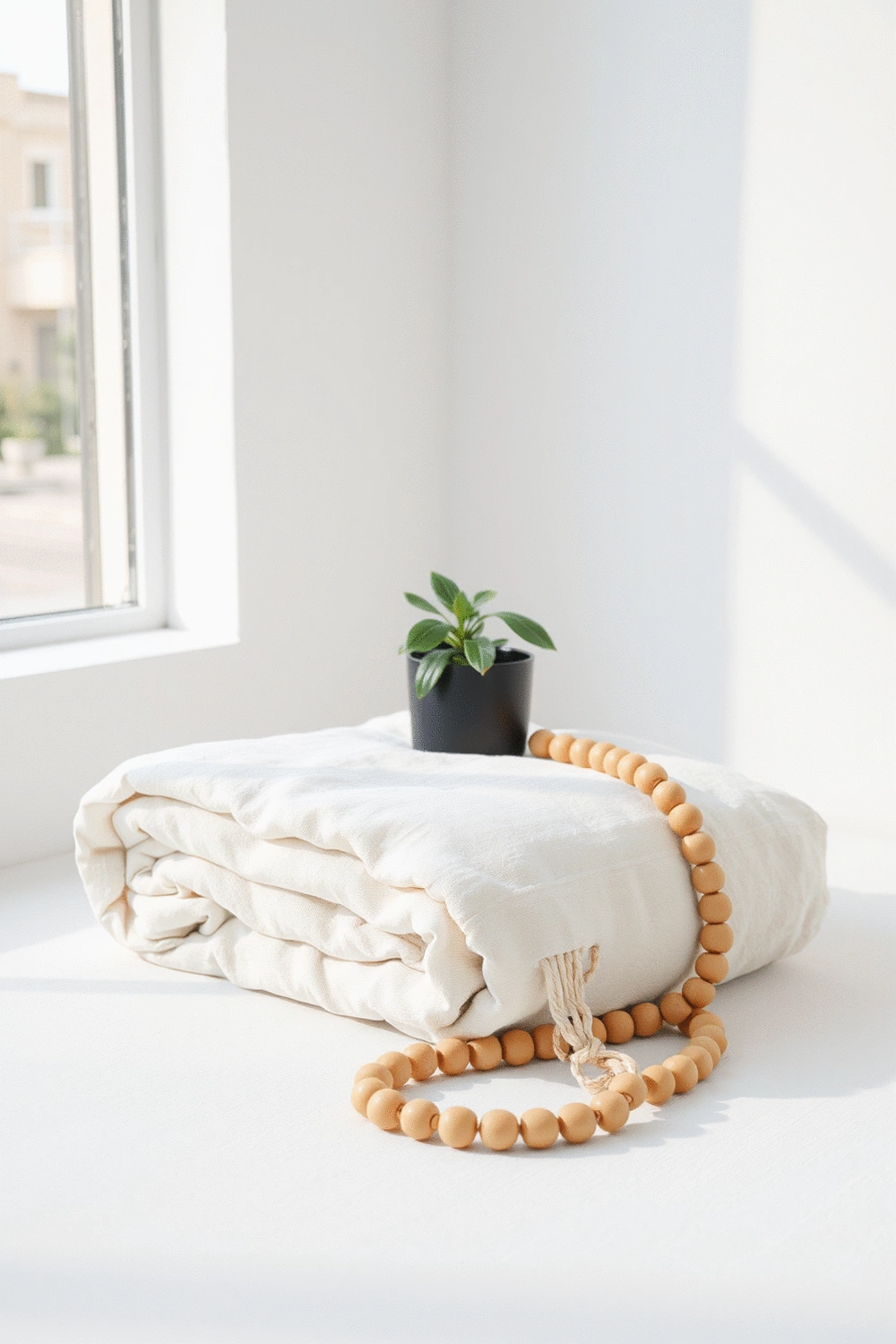
Embracing Non-Toxic Choices for a Healthier Lifestyle
As you transition to using non-toxic yoga mats and gear, consider how you can encourage sustainable practices within your yoga community. Here are some ideas to inspire you:
- Start Conversations: Share your journey towards non-toxic products with fellow yogis at your studio or online.
- Host Workshops: Consider organizing classes or workshops that emphasize eco-friendly practices and gear.
- Lead by Example: Use your non-toxic mat and gear in classes to demonstrate the benefits and encourage others to make similar choices.
Your actions can create ripples of awareness that encourage others to prioritize wellness and sustainability in their practices!
To further enhance your understanding of healthy lifestyle choices, explore our article on 10 Steps to Creating a Sustainable Nutrition Plan for Long-Term Fitness.
Get Engaged: Share Your Experience with Non-Toxic Mats
Let’s make this journey a shared experience! I invite you to join the conversation on health and sustainability in yoga. Share your thoughts and experiences with non-toxic mats or any other eco-friendly practices you’ve incorporated into your routine. Engaging with others not only enriches your practice but can also inspire those around you to make thoughtful choices.
Join the Conversation on Health and Sustainability in Yoga
Whether through comments on this post or social media, your voice matters! Together, we can cultivate a community that values health, mindfulness, and sustainability. Your insights may just be the spark someone else needs to embark on their journey towards a more eco-conscious yoga practice!
Recap of Key Points
Here is a quick recap of the important points discussed in the article:
- Choose non-toxic yoga mats made from materials like natural rubber, cork, and organic cotton for safety and sustainability.
- Avoid harmful substances such as PVC, TPE, and EVA, which can release toxins and pose health risks.
- Investing in non-toxic yoga mats contributes to long-term health benefits, including improved indoor air quality and reduced allergic reactions.
- When shopping, look for certifications like GOTS and OEKO-TEX to ensure eco-friendliness.
- Engage with your yoga community to share experiences and promote non-toxic practices.

Lara V. Hargrove
Lara V. Hargrove is a passionate yoga enthusiast and wellness advocate dedicated to helping individuals cultivate mindful home yoga practices. With years of experience as a yoga practitioner and a deep understanding of yoga philosophy, Lara shares her insights and expertise through thoughtful reviews and practical guides. She believes in the transformative power of yoga and is committed to helping others create harmonious spaces for their practice.