Yoga Poses for Beginners to Build Confidence
Many newcomers to yoga feel overwhelmed by the variety of poses and the fear of not being flexible enough. Luckily, there are beginner-friendly options that can help you build confidence and strength in your practice. Let’s dive into some essential poses that will lay a solid foundation for your journey.
📋 In This Article (Click to Expand)
▼- Foundational Standing Poses: Build Your Base
- Seated Poses for Flexibility: Open Up Your Body
- Gentle Backbends: Embrace Openness
- Restorative Poses: Find Your Calm
- Basic Balancing Poses: Strengthen Your Core
- Essential Inversions: Discover New Perspectives <
- Use a Yoga Blocks Set for extra support in standing poses.
- Focus on your alignment: keep your shoulders stacked over your hips.
- Practice standing poses regularly to boost your confidence and balance.
- Focus on your feet: Ensure your toes align with your knees for better stability.
- Engage your core: Keep your abdominal muscles activated to support your balance.
- Practice regularly: Consistency helps build strength and confidence in your standing poses.
- Try seated forward bends to stretch your spine and hamstrings comfortably.
- Use a yoga bolster for added support during seated poses.
- Incorporate gentle twists to release tension in your back and enhance relaxation.
- Use props for comfort: A bolster can help you relax deeper into your seated poses.
- Focus on your breath: Deep, mindful breathing enhances relaxation and helps release tension.
- Experiment with angles: Adjust your seated position to find what feels most comfortable for your body.
- Start with a supported backbend using a yoga wheel to enhance comfort and safety.
- Focus on your alignment; avoid overarching your lower back during poses.
- Incorporate props like blocks for additional support in your backbends.
- Listen to your body: Always pay attention to how your body feels during backbends.
- Use props for support: Incorporate a yoga wheel or blocks to enhance comfort and prevent overstretching.
- Practice alignment: Ensure your hips and shoulders are aligned to protect your lower back.
- Utilize a yoga bolster for ultimate support in each pose.
- Set the room's ambiance with soft lighting and calming scents to enhance relaxation.
- Layer blankets or cushions to modify poses for your comfort level.
- Set Up a Cozy Space: Use soft lighting and calming scents to create a tranquil atmosphere.
- Utilize Props: Incorporate bolsters and blankets to enhance your comfort in each pose.
- Focus on Your Breath: Deep, mindful breathing helps to deepen relaxation and connection with your body.
- Find a mat that offers comfort and stability for your practice.
- Incorporate yoga into your routine for mental clarity.
- Listen to your body and modify poses as needed for comfort.
- Consider using essential yoga props to enhance support.
- Start with simple poses like Tree Pose to build confidence.
- Use a non-slip exercise mat for stability and comfort.
- Try using cork yoga blocks for extra support while practicing.
- Focus your gaze: Choose a stable point in front of you to enhance balance.
- Start slow: Begin with simple poses like Tree or Warrior III to build confidence.
- Use props: Incorporate yoga blocks to support your practice and feel secure during balancing poses.
- Use foam yoga blocks for added stability in inversions.
- Focus on your breath; it helps maintain balance and calmness.
- Start with gentle inversions like downward dog to build confidence.
- Start with supported inversions: Use the wall or blocks for added security.
- Focus on alignment: This helps prevent injuries and builds confidence in your practice.
- Integrate deep breathing: It calms your mind and enhances your balance during inversions.
- Designate a quiet area in your home exclusively for yoga practice.
- Invest in a yoga mat storage rack to keep your gear organized and accessible.
- Incorporate soft lighting and calming decor to enhance your practice environment.
- Designate Your Space: Choose a specific area in your home for uninterrupted practice.
- Keep it Tidy: Regularly organize your yoga gear to create an inviting atmosphere.
- Set the Mood: Use soft lighting and calming scents to enhance relaxation during your sessions.
Foundational Standing Poses: Build Your Base
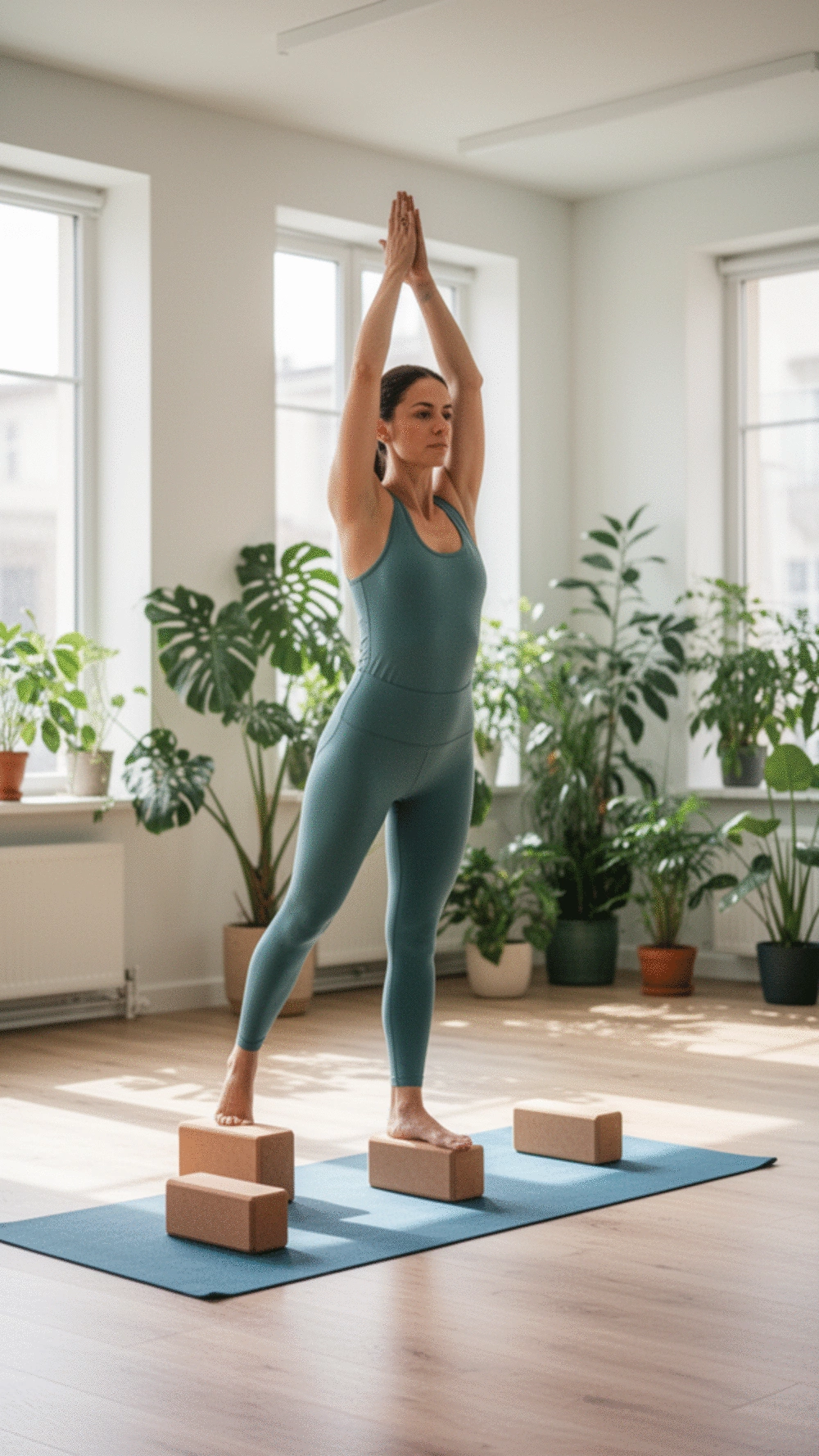
Strengthen your yoga practice with essential foundational standing poses.
As an Amazon Associate I earn from qualifying purchases. Affiliate links may earn me a commission at no extra cost to you.
Why Foundational Standing Poses Matter: Foundational standing poses are crucial for establishing a strong base in yoga. They enhance balance and core stability, making you feel more grounded and confident. Practicing these poses regularly helps improve your posture and prepares you for more advanced postures.
What People Rarely Consider: Many beginners overlook the importance of proper alignment in standing poses. For instance, placing your feet too far apart can lead to instability. Taking time to adjust your foot placement—like ensuring your toes are aligned with your knees—can significantly enhance your balance and prevent injury.
⭐ Top Products for Foundational Standing Poses
✨ Editor's Pick
Yoga Blocks Set for Exercise
★★★★★
Our Score: 5.0/5
These lightweight blocks offer excellent support, enhancing your balance in foundational poses.
View on Amazon →Yoga Wheel for Stretching
★★★★½
Our Score: 4.5/5
This wheel helps deepen flexibility while focusing on foundational poses effectively.
View on Amazon →Cork Yoga Blocks Set
★★★★☆
Our Score: 4.0/5
These eco-friendly cork blocks provide stable support, enhancing your yoga practice.
View on Amazon →💡 Quick Tips:
Seated Poses for Flexibility: Open Up Your Body
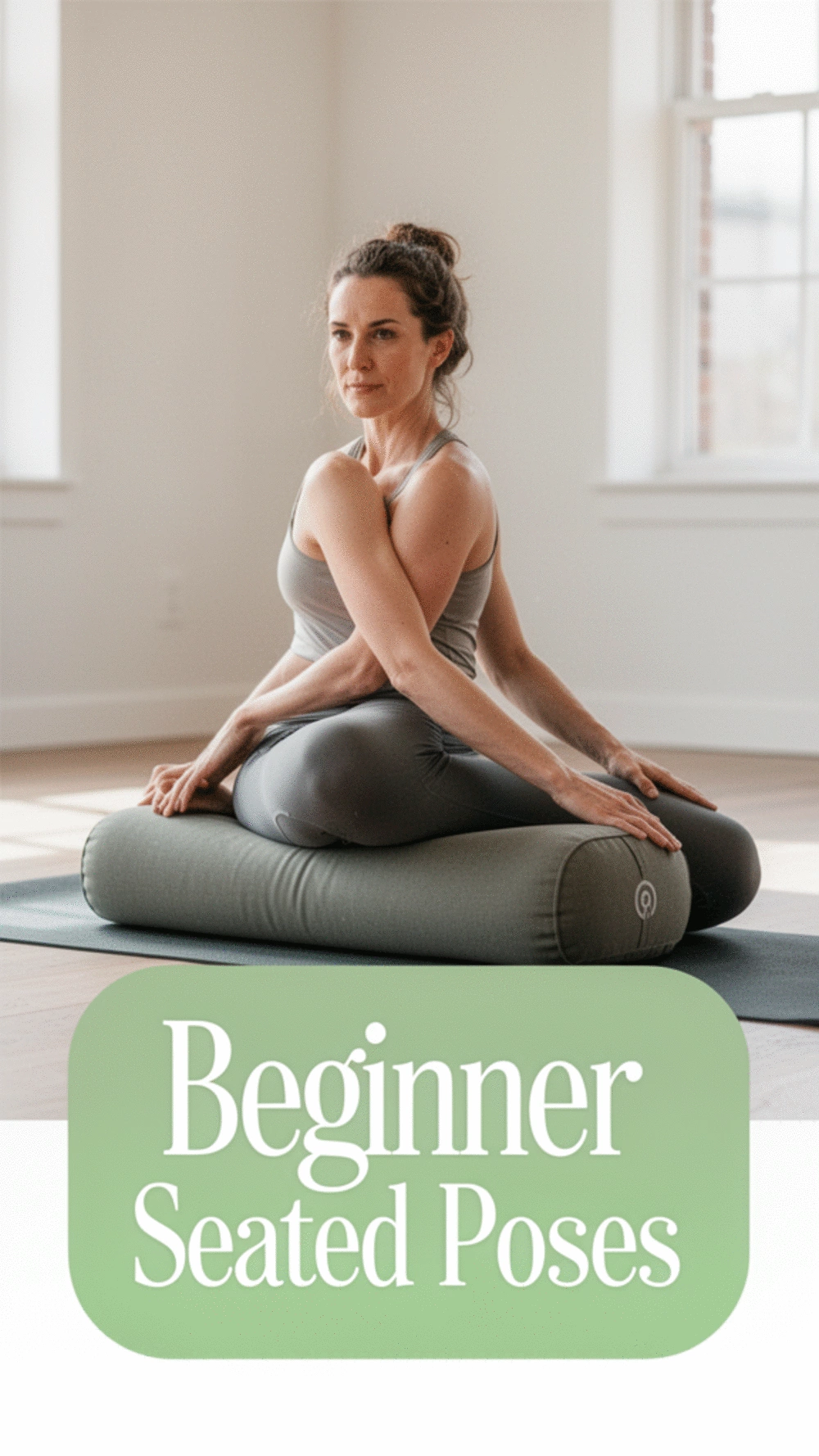
Experience profound relaxation and flexibility through seated yoga poses.
The Importance of Seated Poses for Flexibility: Seated poses are a fantastic way to improve flexibility and relaxation. They play a crucial role in increasing mobility, especially in the hips and lower back, which helps beginners relieve tension and feel more at ease on their mats. Grounding yourself in these poses creates a sense of stability, enhancing your overall practice.
A Detail That Often Gets Overlooked: Many beginners miss the benefits of using props like bolsters or cushions in seated poses. These tools not only enhance comfort but also support your body in achieving proper alignment. For example, using a bolster under your knees can help alleviate strain and make it easier to relax into the pose. Without this support, beginners might find themselves becoming distracted by discomfort, rather than focusing on their breath and mindfulness.
⭐ Top Products for Seated Poses
✨ Editor's Pick
Yoga Bolster Pillow for Meditation
★★★★★
Our Score: 5.0/5
This bolster offers ergonomic support to enhance your comfort during meditation and seated poses.
View on Amazon →Meditation Cushion for Yoga
★★★★½
Our Score: 4.5/5
This cushion provides customizable support for comfortable meditation and yoga practices.
View on Amazon →Foam Yoga Blocks Set
★★★★☆
Our Score: 4.0/5
Use these blocks for enhanced alignment and support during your seated yoga poses.
View on Amazon →🚀 Quick Tips:
Gentle Backbends: Embrace Openness
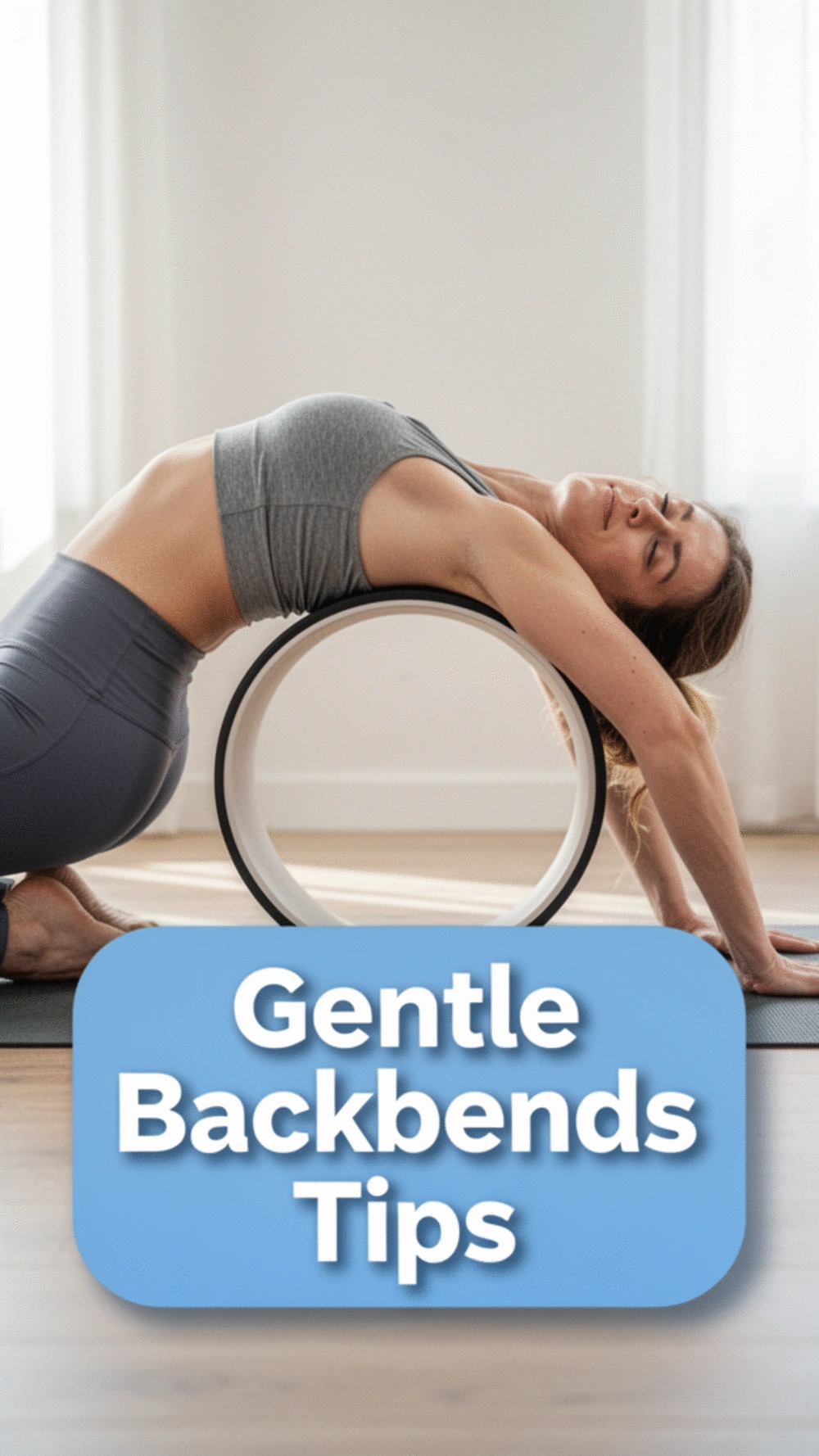
Discover the benefits of gentle backbends for a flexible and open body.
The Benefits of Gentle Backbends: Gentle backbends are perfect for beginners to counteract the effects of prolonged sitting. These poses help increase spinal flexibility, improve posture, and alleviate back pain. They’re also fantastic for opening the heart, which can boost your mood and emotional well-being.
Where Most People Get Stuck: Many beginners underestimate the importance of listening to their bodies during backbends. It's easy to push too far, especially when trying to achieve a perfect pose. For example, using a yoga wheel can help you safely explore your limits without overstretching, making it a great companion for these gentle poses.
⭐ Top Products for Gentle Backbends
✨ Editor's Pick
Yoga Wheel for Stretching
★★★★½
Our Score: 4.5/5
This yoga wheel is perfect for deepening backbends and enhancing flexibility, making it essential for beginners.
View on Amazon →Balance Board for Home Workouts
★★★★☆
Our Score: 4.0/5
This balance board helps build core strength, essential for safely practicing backbends and stability.
View on Amazon →Cork Yoga Blocks Set
★★★★☆
Our Score: 4.0/5
These cork blocks provide stable support for various backbend configurations during your practice.
View on Amazon →💡 Quick Tips:
Restorative Poses: Find Your Calm
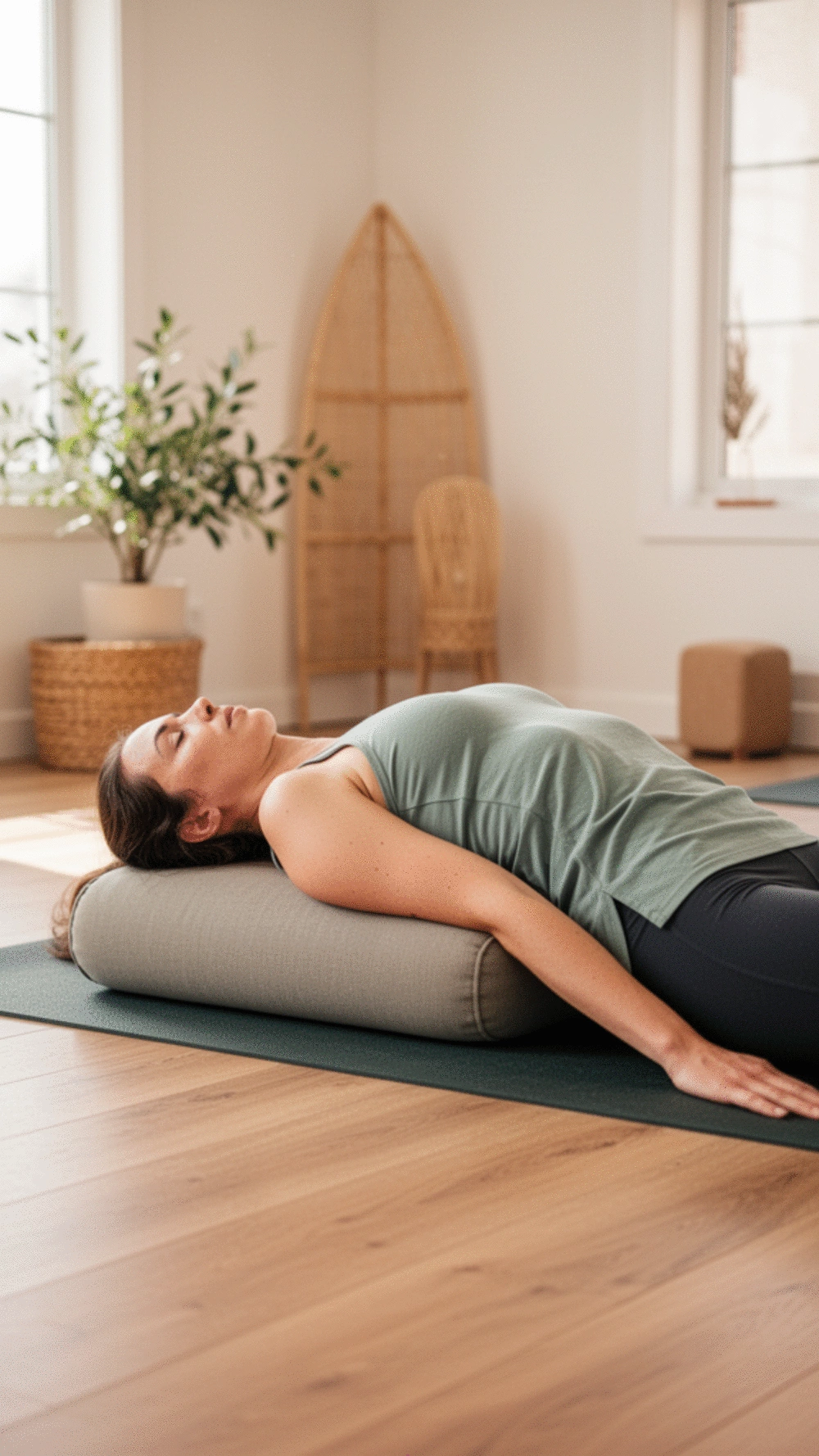
Experience deep relaxation and tranquility with restorative yoga poses.
Why Restorative Poses Matter: Restorative poses are essential for calming the nervous system and promoting mindfulness. They allow beginners to reconnect with their breath and body, leading to significant stress relief. Using props like bolsters enhances comfort, making it easier to relax deeply during your practice.
Where Most People Get Stuck: Many beginners overlook the importance of props in restorative poses. For instance, placing a bolster under your knees can provide crucial support, but some might skip this, thinking they can manage without it. This oversight often leads to discomfort and prevents full relaxation.
⭐ Recommended for Restorative Poses
✨ Editor's Pick
Yoga Bolster Pillow for Meditation
★★★★★
Our Score: 5.0/5
This bolster pillow provides essential support for relaxation during restorative poses and meditation.
View on Amazon →Round Yoga Bolster Pillow
★★★★½
Our Score: 4.5/5
This round bolster offers soft support for relaxation, enhancing your restorative practice.
View on Amazon →Meditation Cushion for Yoga
★★★★☆
Our Score: 4.0/5
This cushion provides flexible support for meditation and restorative practices.
View on Amazon →💡 Quick Tips:
You're building a wonderful foundation for your yoga journey, and that dedication truly matters. Even the smallest efforts and moments of mindful practice contribute significantly to your overall well-being. This path is about consistent nurturing, not striving for an elusive ideal.
✨ Simple Reminders:
Basic Balancing Poses: Strengthen Your Core
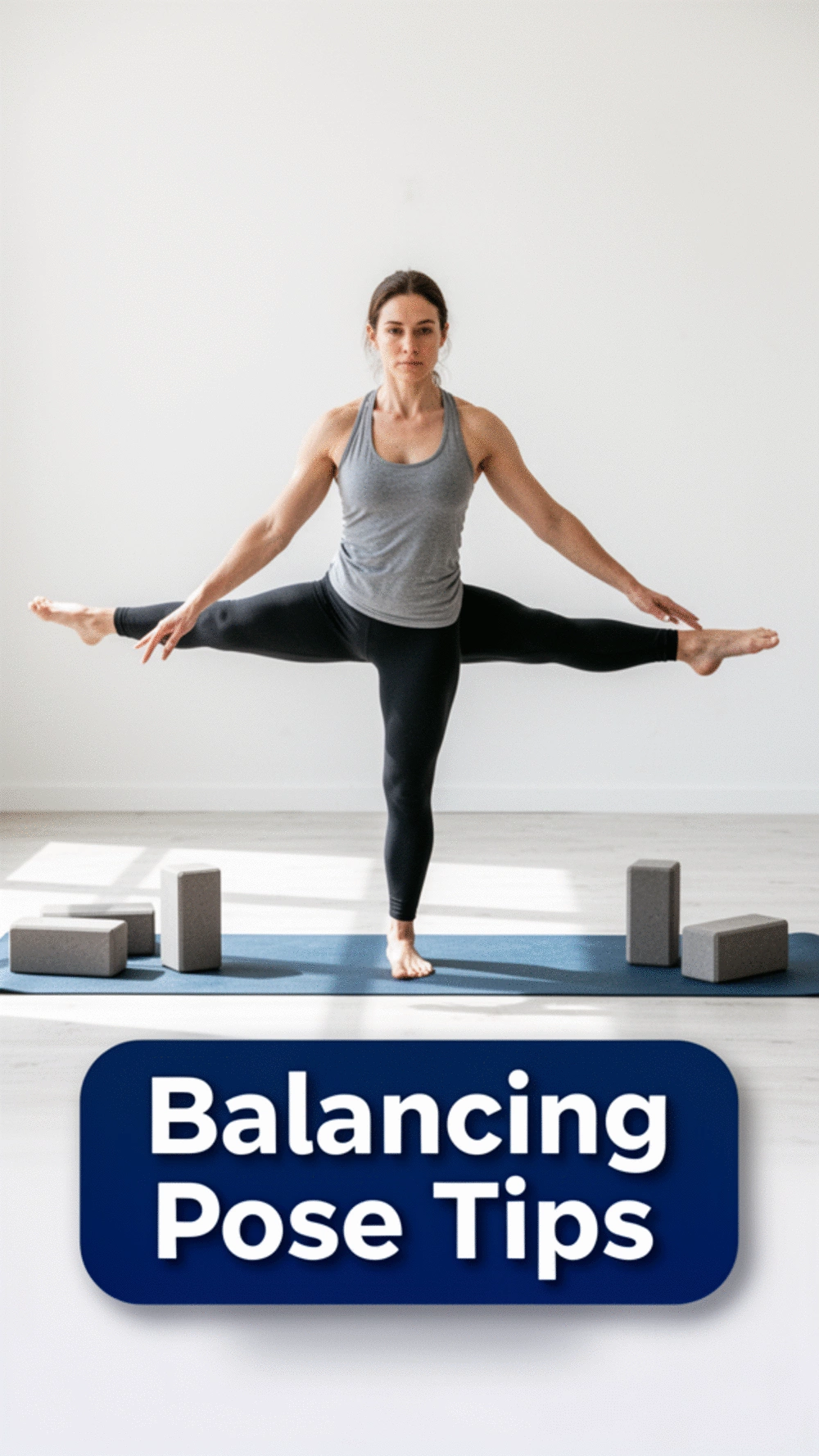
Master your balance and concentration with these essential poses.
Understanding Basic Balancing Poses: Basic balancing poses are essential for building core strength and enhancing focus. These poses challenge your body’s awareness and engagement, which can help you develop stability over time. By practicing balancing poses, you not only strengthen your body but also sharpen your mental concentration, making it a holistic approach to yoga.
What People Rarely Consider: Many beginners overlook their gaze when practicing balancing poses. A common mistake is trying to balance without focusing on a point in front of you. Fixating your gaze on a stable object can significantly improve your balance, enhancing both confidence and stability during poses.
⭐ Top Products for Basic Balancing Poses
Cork Yoga Blocks Set
★★★★☆
Our Score: 4.0/5
Eco-friendly cork blocks enhance your balance practice, providing stability for all poses.
View on Amazon →✨ Editor's Pick
Non-Slip Exercise Mat
★★★★½
Our Score: 4.5/5
This non-slip mat offers stability and comfort, essential for mastering balancing poses.
View on Amazon →Yoga Blocks Set for Exercise
★★★★☆
Our Score: 4.0/5
These versatile blocks provide essential support for stability in balancing poses.
View on Amazon →🚀 Quick Tips:
Essential Inversions: Discover New Perspectives
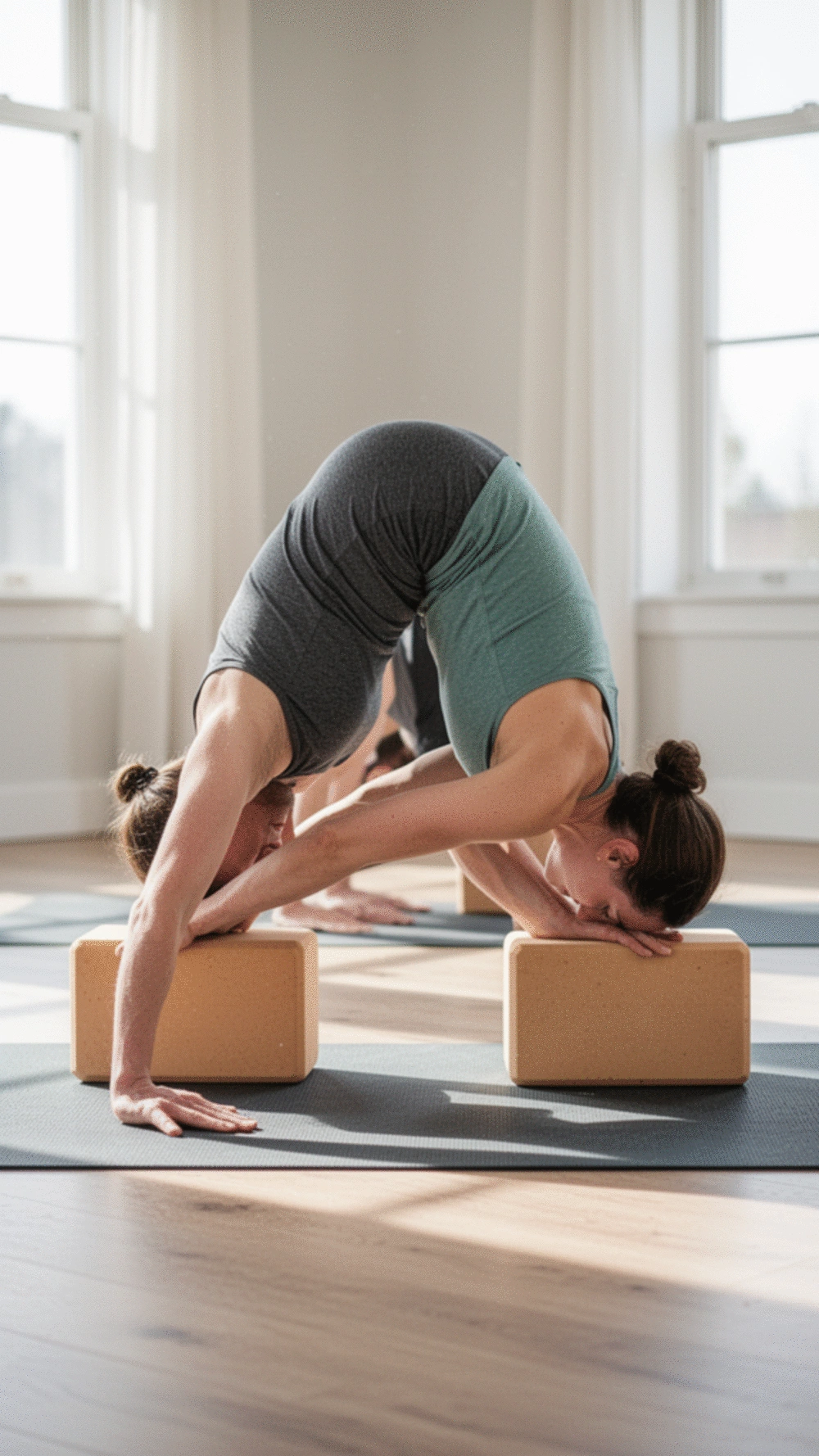
Experience the refreshing benefits of inversions in your yoga practice.
Understanding Essential Inversions: Inversions are poses where your heart is above your head, enhancing strength and flexibility. They improve blood circulation and provide a fresh perspective, both physically and mentally. Consider starting with supported variations like downward dog or legs-up-the-wall to build your confidence.
Where Most People Get Stuck: Many beginners skip inversions due to fear or discomfort. For example, attempting a headstand without prior experience can be daunting. Start with modified versions and focus on alignment to feel secure in your practice.
💭 Important to Remember:
Practice inversions on a soft surface and use props like blocks for support. This will help you gain strength gradually while reducing the risk of injury. Starting simple lets you enjoy the journey of learning these valuable poses!
⭐ Best Products for Essential Inversions
Yoga Blocks for Stability
★★★★☆
Our Score: 4.0/5
These durable foam blocks provide essential support and stability for practicing inversions safely.
View on Amazon →Yoga Blocks Set for Exercise
★★★★☆
Our Score: 4.0/5
Use these versatile blocks to enhance your stability and support during inversions.
View on Amazon →✨ Editor's Pick
Foam Yoga Blocks Set
★★★★½
Our Score: 4.5/5
Lightweight blocks that enhance support and stability for safe inversion practice.
View on Amazon →🚀 Quick Tips:
Tips for Creating a Home Practice: Your Ideal Space
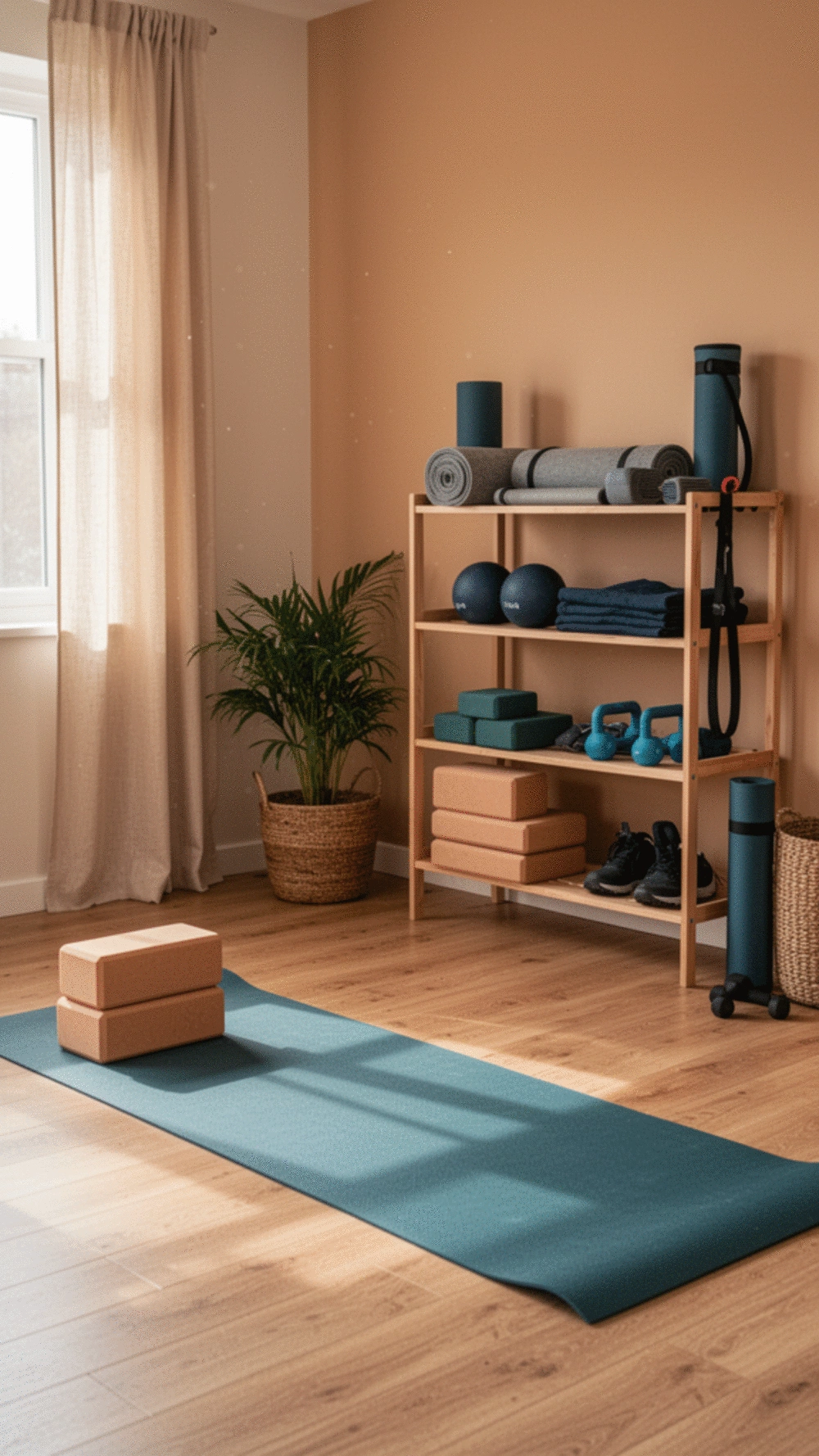
Transform your yoga practice with a dedicated, calming space at home.
Why Creating a Dedicated Yoga Space Matters: Establishing a distraction-free environment for your yoga practice can significantly enhance your focus and enjoyment. A well-organized spot with the right accessories supports your journey, making it easier for you to stay committed to your routine while finding peace during your sessions.
What People Rarely Consider: One common oversight is neglecting the impact of a cluttered space on your mindset. For example, if your yoga mat is buried under laundry or workout gear, it may discourage you from practicing. Keep your space tidy and inviting to foster a positive, engaging atmosphere that promotes motivation and consistency.
⭐ Best Products for Home Yoga Practice
✨ Editor's Pick
Yoga Mat Storage Rack
★★★★½
Our Score: 4.5/5
This storage rack keeps your yoga gear organized, ensuring a clutter-free and inviting practice space.
View on Amazon →Yoga Wall Chart for Beginners
★★★★☆
Our Score: 4.0/5
This wall chart serves as a handy reference, ideal for beginners to follow during practice.
View on Amazon →Foam Yoga Blocks Set
★★★★☆
Our Score: 4.0/5
These blocks provide versatile support, enhancing comfort during your home practice sessions.
View on Amazon →💡 Quick Tips:
You now have seven practical ways to enhance your yoga practice as a beginner. Start with what feels manageable, and remember that each journey is unique.
With every small adjustment, you’ll discover greater comfort and connection in your practice. Embrace the journey and let your confidence grow with each pose.
Lara V. Hargrove
Lara V. Hargrove is a passionate yoga enthusiast and wellness advocate dedicated to helping individuals cultivate mindful home yoga practices. With years of experience as a yoga practitioner and a deep understanding of yoga philosophy, Lara shares her insights and expertise through thoughtful reviews and practical guides. She believes in the transformative power of yoga and is committed to helping others create harmonious spaces for their practice.
Welcome to Yoga Fit Space Daily
Yoga Fit Space Daily is dedicated to empowering yoga practitioners with the insights and resources needed to cultivate a mindful and functional home practice. Our mission is to demystify home studio setup and equip you with actionable guides for a harmonious yoga journey.
Popular Articles
Categories
Cultivate Your Mindful Home Yoga Practice
Start your home practice journey by identifying what truly inspires you. What elements bring peace and focus to your yoga space?
Choosing the right yoga mat is crucial. Look for one that provides optimal grip and comfort, enhancing every pose.
Elevate your practice with essential props like blocks and straps. They offer support and deepen stretches, regardless of your experience level.
Optimize your home studio with thoughtful storage solutions. A clutter-free space invites clarity and calm, essential for mindfulness.
Enhance your ambiance with soft lighting, soothing scents, and natural elements. Create a sanctuary that truly resonates with you.
Discover the perfect meditation cushion to support your stillness. Comfort in meditation is key to deeper inner peace.
Explore our in-depth reviews of yoga apparel. Find gear that moves with you, supporting both comfort and flow.
Integrate plants into your practice space. They purify the air and connect you with nature, fostering a serene environment.
Consider a dedicated corner for your practice. Even a small space can transform into a powerful personal retreat.
Share your home yoga journey with our community. Your experiences can inspire others to create their ideal practice spaces!
Curate your ideal yoga environment. Every detail contributes to a consistent and balanced practice, nurturing your well-being.
