Restorative Hatha Yoga Sequence That Calms the Body and Builds Real Strength
Many beginners struggle with alignment and balance in yoga, often feeling overwhelmed by complex poses. Hatha yoga offers a nurturing foundation, balancing strength and flexibility, making it the perfect starting point for newcomers. Let’s dive into the first essential pose: Mountain Pose.
Hatha Yoga Mountain Pose That Teaches Full-Body Alignment from the Ground Up
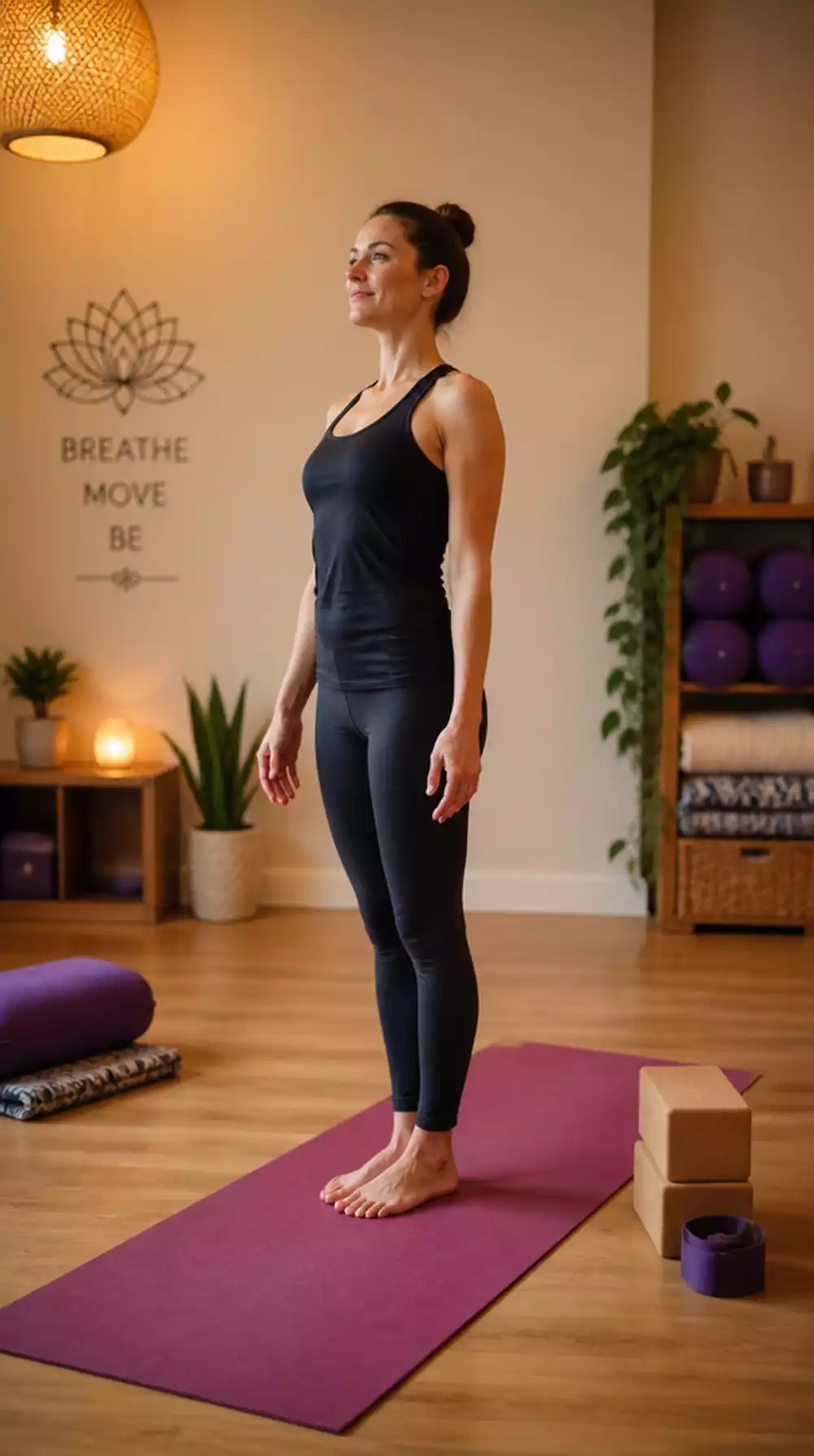
Mastering alignment with Mountain Pose lays the foundation for your yoga journey.
As an Amazon Associate I earn from qualifying purchases. Affiliate links may earn me a commission at no extra cost to you.
Why Mountain Pose Matters: Mountain Pose, or Tadasana, is essential for establishing a solid foundation in your practice. It teaches full-body alignment by grounding your feet and engaging your core, which helps to reduce injury risk and improve overall strength. This standing pose emphasizes stability and balance, making it a perfect starting point for beginners.
One common mistake practitioners make is leaning too far forward or backward, which can throw off their balance. To correct this, find your center by stacking your shoulders over your hips and your ears over your shoulders, creating a straight line from head to toe.
- ★Engage your thighs by gently pressing them together while standing tall.
- ★Use an Extra Thick Non-Slip Yoga Mat for added support and grip.
- ★Focus on deep, steady breathing to enhance grounding and stability.
⭐ Top Products for Full Body Alignment
✨ Editor's Pick
Extra Thick Non-Slip Yoga Mat
★★★★★
Our Score: 5.0/5
This extra thick mat ensures stability and comfort, making it perfect for beginners in Mountain Pose.
View on Amazon →Eco-Friendly Yoga Block Set
★★★★½
Our Score: 4.5/5
These lightweight blocks are perfect for enhancing flexibility and support in Mountain Pose.
View on Amazon →Yoga Bolster Pillow for Support
★★★★☆
Our Score: 4.0/5
This bolster offers firm support for longer holds in Mountain Pose, enhancing comfort.
View on Amazon →💡 Quick Tips:
- Find Your Center: Stand tall and visualize a straight line from head to toe.
- Engage Your Core: Gently pull in your belly button to stabilize your body.
- Keep Your Feet Grounded: Press firmly through the soles of your feet to enhance balance.
Hatha Yoga Warrior III Balance Pose That Builds Leg Strength and Focus
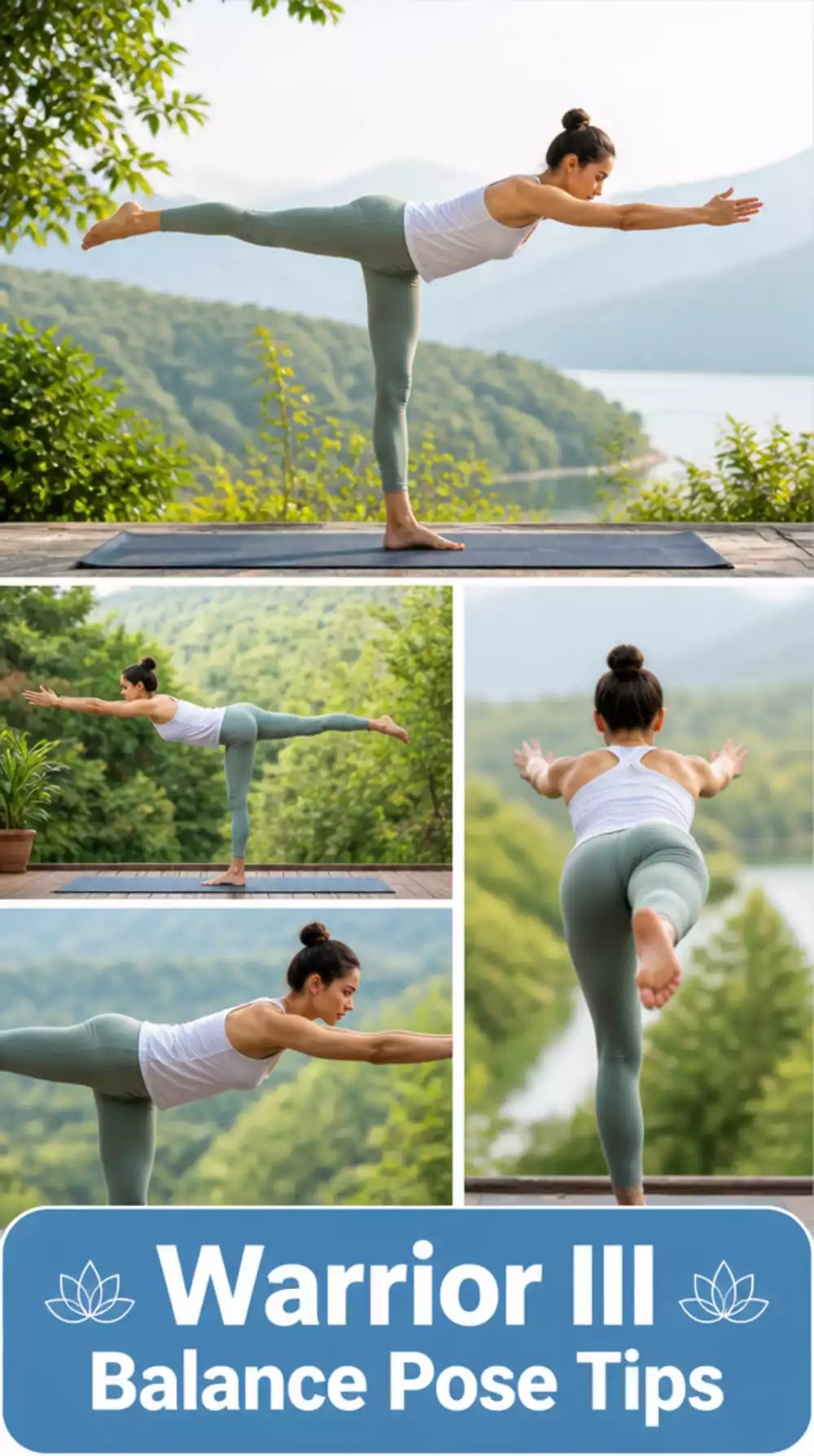
Strengthen your legs and sharpen your focus with Warrior III.
How Warrior III Enhances Strength and Concentration: This dynamic pose combines balance and strength, engaging the core and stabilizing muscles to create a solid foundation. Warrior III not only strengthens the legs but also sharpens your focus, making it essential for building both physical and mental resilience.
What Most Practitioners Overlook: Many people miss the importance of a focal point to maintain balance in Warrior III. Without it, you might waver or lose your stability. For instance, fixating on a spot on the wall can significantly enhance your steadiness, making it easier to hold the pose with integrity.
- ★Practice transitioning into Warrior III from a standing position for better balance.
- ★Focus on your breath to help maintain steadiness while holding the pose.
- ★Practice in a quiet environment to minimize distractions and enhance your focus.
⭐ Top Products for Balance Training
Premium EVA Foam Yoga Blocks
★★★★½
Our Score: 4.5/5
These foam blocks provide essential support and extra lift for maintaining balance in Warrior III.
View on Amazon →✨ Editor's Pick
Adjustable Balance Board Trainer
★★★★★
Our Score: 5.0/5
This balance board improves your stability and core strength, essential for achieving Warrior III.
View on Amazon →Portable Hand Pump for Exercise Balls
★★★★☆
Our Score: 4.0/5
This hand pump makes it easy to inflate exercise balls, enhancing your balance workouts anytime.
View on Amazon →🌟 Key Steps to Follow:
- Find Your Focal Point: Choose a spot to gaze at to enhance your balance.
- Engage Your Core: Keep your abdominal muscles tight to stabilize your body.
- Transition Smoothly: Move into Warrior III gradually from a standing position for better control.
Seated Hatha Yoga Forward Fold That Lengthens the Hamstrings with Every Breath
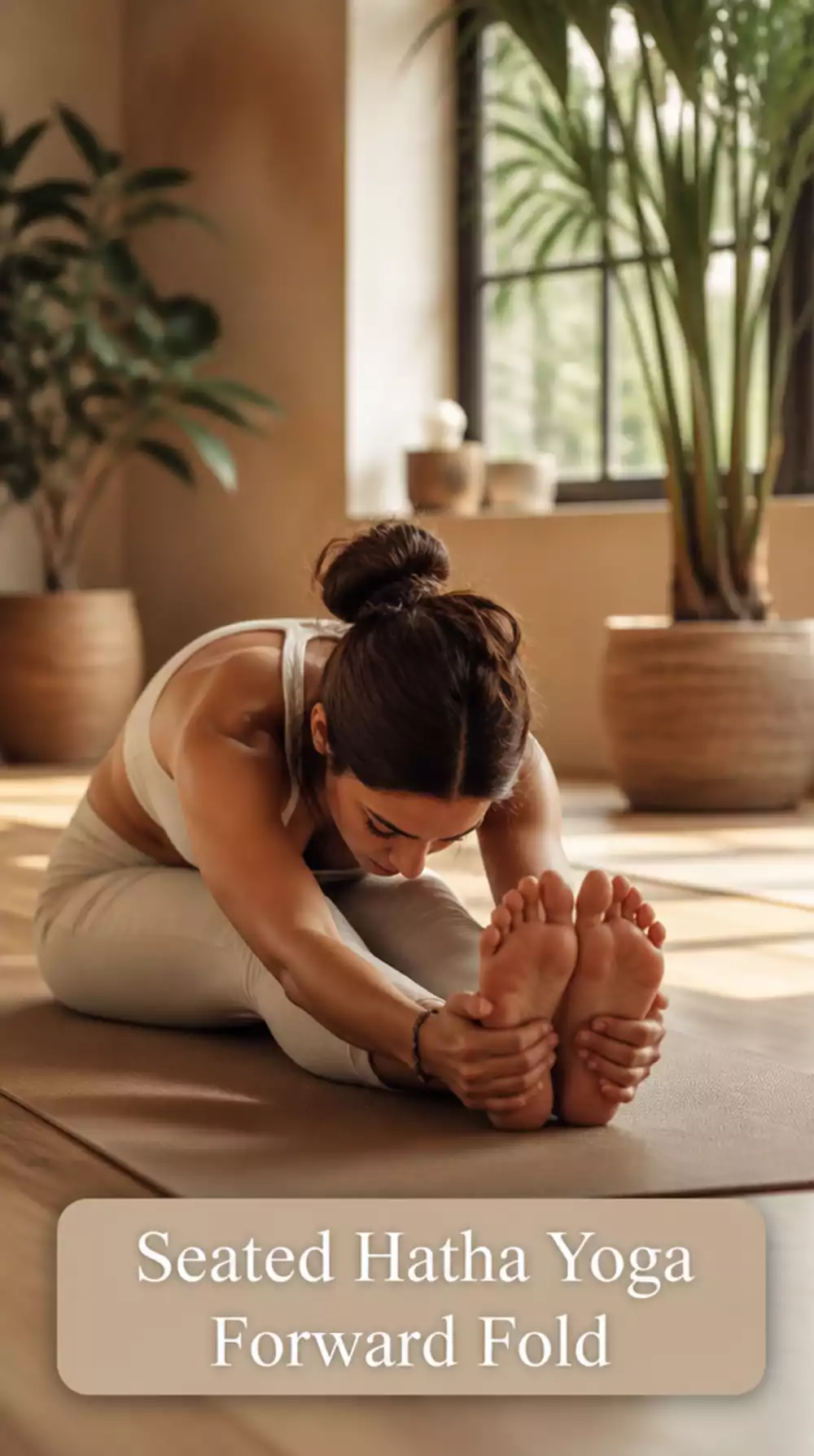
Experience deep hamstring stretches and relaxation through Forward Fold.
Understanding the Seated Hatha Yoga Forward Fold: This pose is foundational for enhancing flexibility in the hamstrings while promoting a sense of relaxation. By engaging in this gentle stretch, you'll not only ease tension in your lower back but also cultivate a deeper connection with your breath, facilitating a more profound state of calm.
What People Rarely Consider: Many practitioners tend to round their backs while performing Forward Fold, which can lead to discomfort. Instead, focus on keeping a neutral spine as you hinge at your hips. For example, imagine you're reaching forward rather than just down, allowing your torso to lengthen and your stretch to deepen naturally.
- ★Initiate the Forward Fold by sitting tall, then hinge at your hips to reach forward.
- ★Use a stretching strap to deepen your reach without straining.
- ★Avoid pushing too hard; let your breath guide how deeply you fold.
⭐ Top Products for Stretching and Flexibility
✨ Editor's Pick
Non-Elastic Stretching Strap
★★★★★
Our Score: 5.0/5
This stretching strap is perfect for deepening your hamstring stretches safely and effectively.
View on Amazon →Adjustable Calf Stretch Slant Board
★★★★½
Our Score: 4.5/5
This board is excellent for safely achieving calf stretches alongside hamstring flexibility.
View on Amazon →Yoga Bolster Pillow for Support
★★★★☆
Our Score: 4.0/5
This bolster provides support during Forward Fold, enhancing comfort and relaxation.
View on Amazon →💡 Your Quick Start Guide:
- Start tall: Sit upright and hinge at your hips to initiate your Forward Fold.
- Engage your breath: Inhale deeply to lengthen your spine, then exhale into the stretch.
- Use props: Incorporate a stretching strap or bolster for added support and comfort in your fold.
Hatha Yoga Cobra Pose That Strengthens the Lower Back and Opens the Chest
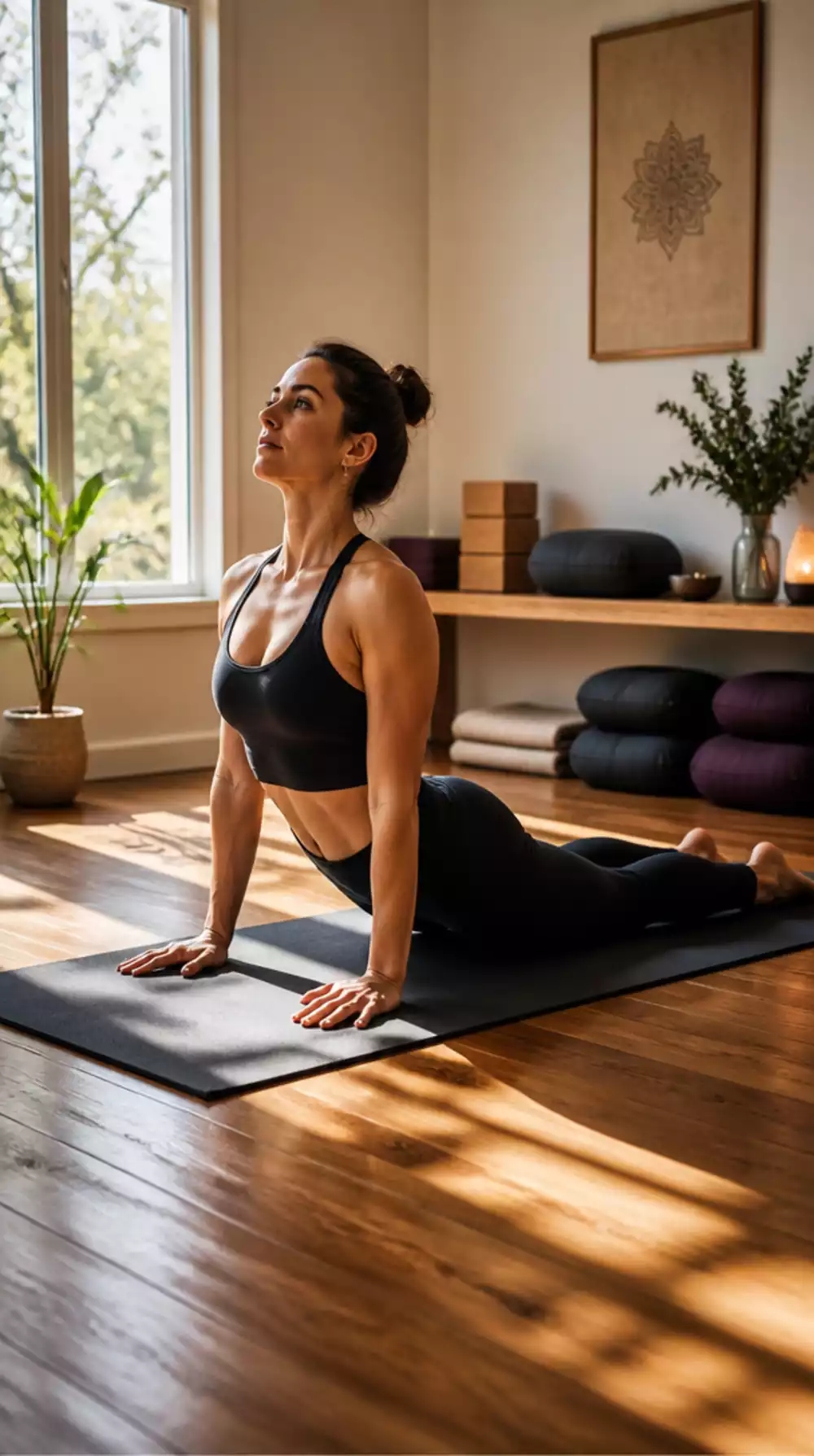
Harness the power of Cobra Pose to strengthen your back and enhance your posture.
Understanding Hatha Yoga Cobra Pose: Cobra Pose is a dynamic stretch that not only strengthens the lower back but also opens the chest, counteracting the effects of hours spent hunched over screens. This pose encourages better posture and can boost your confidence and energy levels.
What Often Gets Missed: Many practitioners tend to over-rely on their hands, leading to strain on the lower back. Instead, focus on engaging your back muscles to lift your chest while keeping your hands light on the mat. This technique not only protects your lower back but also allows for a more effective stretch.
- ★Engage your back muscles for effective lifting during Cobra Pose.
- ★Utilize a bolster for added lumbar support and comfort.
- ★Avoid pressing too hard into your hands; let your back do the work!
⭐ Best Products for Lower Back Support
✨ Editor's Pick
Half Moon Bolster Pillow
★★★★★
Our Score: 5.0/5
The Half Moon Bolster Pillow provides essential lumbar support for your lower back during Cobra Pose.
View on Amazon →Comfy Deep Tissue Massage Roller
★★★★½
Our Score: 4.5/5
Use the Deep Tissue Massage Roller to relieve tension in your back before or after Cobra Pose.
View on Amazon →Resistance Bands for Strength Training
★★★★☆
Our Score: 4.0/5
Incorporate Resistance Bands to strengthen your back muscles alongside Cobra Pose practice.
View on Amazon →💡 Best Practices:
- Engage your back muscles: Focus on lifting from your back, not your hands, to avoid strain.
- Practice breath control: Inhale deeply as you lift your chest, creating space in the spine.
- Use a bolster: Place a bolster under your pelvis for added support and comfort in the pose.
As you move deeper into these poses, it’s natural to notice the subtle balance between effort and ease. Every mindful breath and gentle adjustment shapes your foundation more than quick fixes ever could. This journey is about embracing growth in a way that feels nourishing and steady—not rushed or forced.
✨ Keep This in Mind:
- Use props thoughtfully to support comfort and alignment, like in choosing the right yoga blocks.
- Engage your core gently during backbends to protect your lower back and enhance strength.
- Balance is a practice, not a perfect pose—approach each attempt with kindness.
- Avoid pushing too hard in stretches to allow gradual flexibility improvements.
Hatha Yoga Tree Pose That Improves Balance and Builds Single-Leg Stability
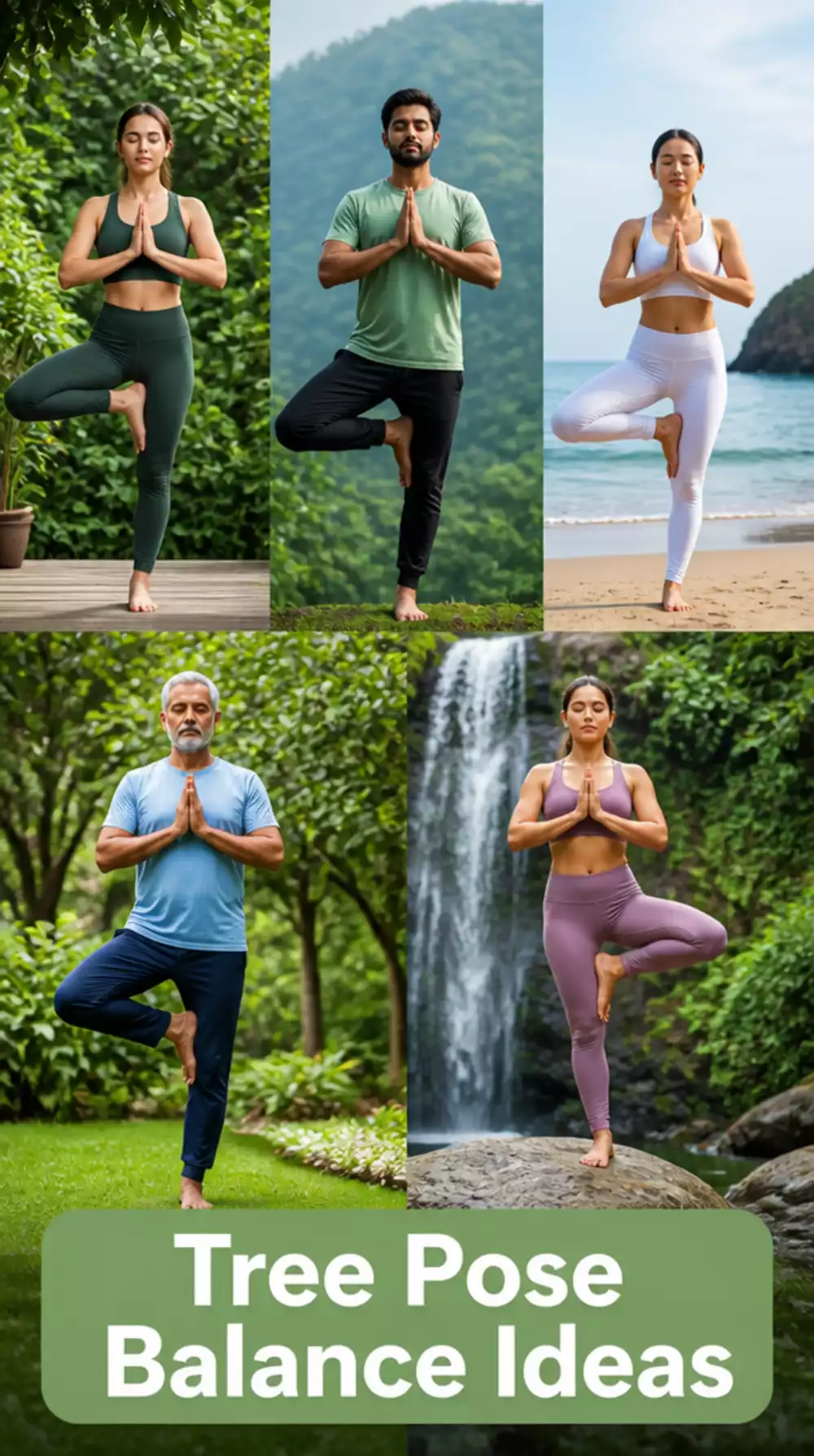
Enhance your focus and stability with Tree Pose practice.
How Tree Pose Elevates Your Practice: Tree Pose is a fundamental balancing posture that strengthens the legs and enhances focus by engaging stabilizing muscles. It promotes better coordination and a sense of calm, allowing practitioners to cultivate both physical strength and mental clarity.
Where Most People Get Stuck: Many beginners place their foot too low on the standing leg, which can lead to instability. Instead, try placing it higher on the inner thigh or calf, avoiding the knee to prevent injury. Finding the right balance often takes time and patience, but it’s worth the effort!
- ★Focus on a fixed point in front of you to enhance balance.
- ★Utilize an Adjustable Balance Board Trainer to practice stability off the mat.
- ★Avoid leaning too far back; keep your core engaged for support.
⭐ Best Products for Balance and Stability
Premium EVA Foam Yoga Blocks
★★★★½
Our Score: 4.5/5
These blocks provide extra lift and stability, crucial for mastering your Tree Pose.
View on Amazon →✨ Editor's Pick
Adjustable Balance Board Trainer
★★★★★
Our Score: 5.0/5
This board is perfect for enhancing balance and stability, essential for Tree Pose.
View on Amazon →Wood Wobble Balance Trainer
★★★★☆
Our Score: 4.0/5
This wobble trainer enhances core strength, making it great for Tree Pose practice.
View on Amazon →💡 Quick Tips:
- Find Your Focal Point: Focus on a steady object in front to help maintain balance.
- Engage Your Core: Keep your core tight to support your stability while holding the pose.
- Practice in Nature: Try practicing Tree Pose outdoors to enhance tranquility and connection.
Hatha Yoga Corpse Pose That Teaches the Body How to Fully Release Tension
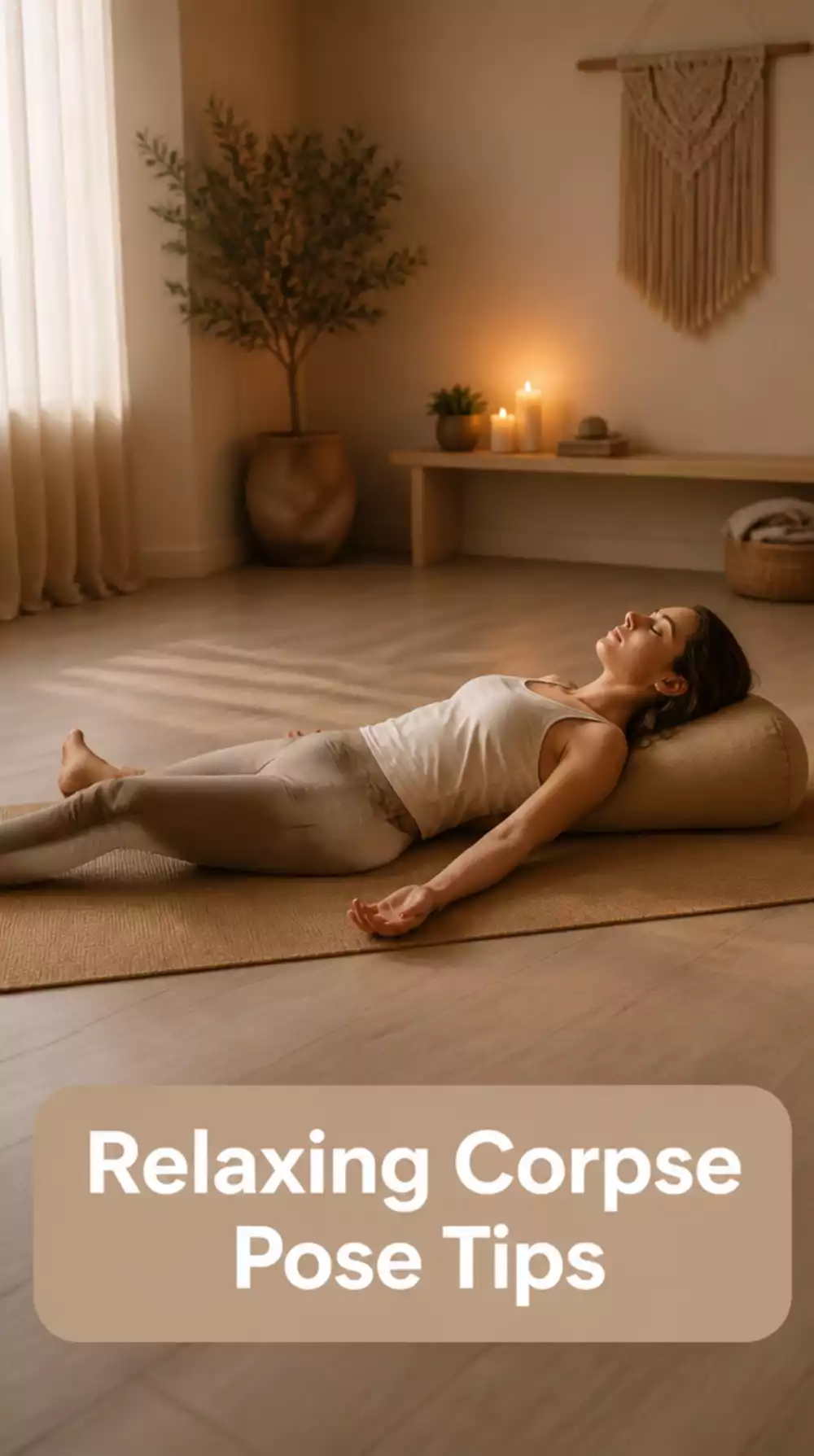
Embrace the art of relaxation with Corpse Pose for a calming finale.
How Corpse Pose Aids in Tension Release: Corpse Pose, or Savasana, is essential for integrating the benefits of your practice by allowing the body to fully relax. It helps to release built-up tension, promotes deep breathing, and prepares your mind for meditation, making it an indispensable part of any yoga session.
The challenge many face is to genuinely disconnect during Corpse Pose. Often, distractions from thoughts or the environment pull focus away. To counter this, try visualizing a peaceful scene or focusing on your breath, which can help anchor you back into relaxation.
- ★Create a calming environment with soft lighting and minimal noise to enhance relaxation.
- ★Use a supportive cushion like the Buckwheat Hull Meditation Cushion to elevate comfort during the pose.
- ★Focus on your breath; inhaling and exhaling deeply aids in releasing tension throughout your body.
🤔 Important to Remember:
Many practitioners rush through Corpse Pose, thinking it’s just a rest. In reality, this pose is where the body processes all the benefits of your practice. Ensure you dedicate enough time to truly relax.
⭐ Best Products for Relaxation and Comfort
✨ Editor's Pick
Buckwheat Hull Meditation Cushion
★★★★★
Our Score: 5.0/5
This cushion offers customizable support and comfort for effective relaxation in Corpse Pose.
View on Amazon →Eco-Friendly Non-Slip Yoga Mat
★★★★½
Our Score: 4.5/5
This mat offers stability and comfort during your relaxation in Corpse Pose.
View on Amazon →Eco-Friendly Fitness Exercise Mat
★★★★☆
Our Score: 4.0/5
This mat provides a stable surface for relaxation in Corpse Pose, enhancing comfort.
View on Amazon →💡 Quick Tips:
- Settle into a quiet space: Find a peaceful area free from distractions to enhance relaxation.
- Use soft props: Incorporate a cushion or blanket for added comfort during Corpse Pose.
- Focus on your breath: Deep, mindful breaths can help release tension and calm your mind.
A Cork Yoga Block Hatha Practice Needs for Proper Alignment in Every Pose
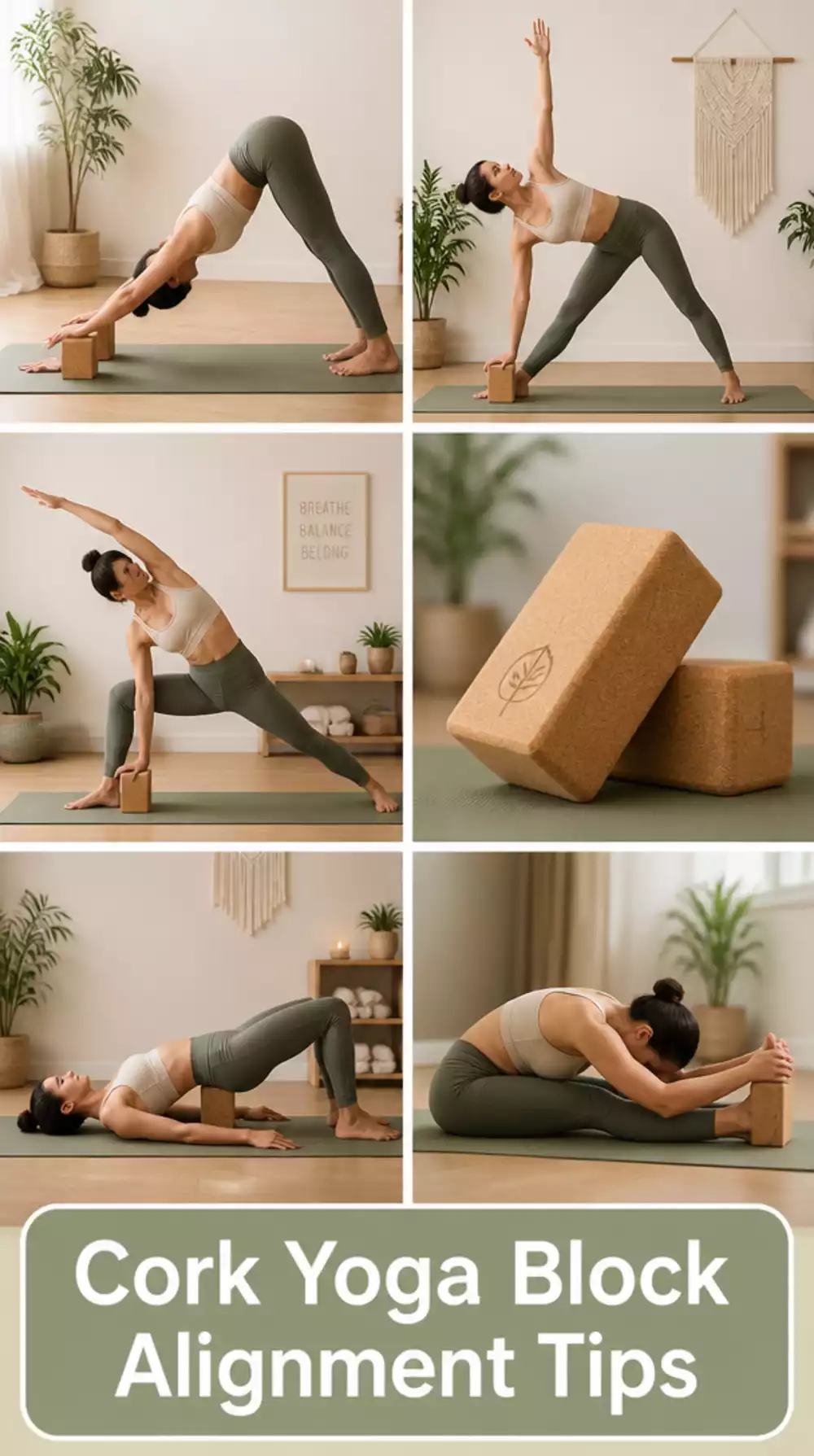
Enhance your yoga practice with proper alignment support using cork blocks.
Understanding How Cork Blocks Elevate Your Practice: Cork yoga blocks are essential tools that provide stability and support in various poses. They help maintain proper alignment, making challenging poses more accessible while accommodating different levels of flexibility. Their eco-friendly material also promotes a sustainable practice.
What People Rarely Consider is how the right size and shape of cork blocks can vastly improve their practice. Many beginners tend to overlook this, settling for whatever blocks they have on hand. For instance, a taller block can significantly aid in poses like Triangle or Upward Facing Dog, ensuring your alignment is spot-on.
- ★Use cork blocks to elevate your hands in Downward Dog for better alignment.
- ★Integrate blocks into seated poses to help maintain proper spine alignment.
- ★Avoid using overly soft blocks that can compromise stability during practice.
⭐ Best Products for Yoga Alignment
✨ Editor's Pick
Natural Cork Yoga Blocks Set
★★★★★
Our Score: 5.0/5
Cork blocks offer stability and support for proper alignment in every yoga pose.
View on Amazon →Premium EVA Foam Yoga Blocks
★★★★½
Our Score: 4.5/5
These blocks provide extra lift and balance for challenging poses in yoga practice.
View on Amazon →Premium Cork Yoga Blocks
★★★★☆
Our Score: 4.0/5
These blocks provide durable support for alignment, enhancing your yoga practice.
View on Amazon →💡 Quick Tips:
- Choose the Right Size: Select a block height that suits your flexibility level for better support.
- Use Blocks in Seated Poses: Elevate your hips to maintain proper spine alignment during seated stretches.
- Explore Different Shapes: Try both rectangular and cylindrical blocks for varied support options in your practice.
You now have seven practical ways to enhance your yoga practice through Hatha poses. Embrace the idea that starting small can lead to significant benefits as you integrate these foundational movements into your routine.
Remember, your journey doesn’t require perfection; progress shows up in the *small moments of ease and strength* you cultivate over time. Allow yourself to explore these poses as you build the calm and strength you seek in your practice.
Lara V. Hargrove
Lara V. Hargrove is a passionate yoga enthusiast and wellness advocate dedicated to helping individuals cultivate mindful home yoga practices. With years of experience as a yoga practitioner and a deep understanding of yoga philosophy, Lara shares her insights and expertise through thoughtful reviews and practical guides. She believes in the transformative power of yoga and is committed to helping others create harmonious spaces for their practice.