Grounding Yoga for Mindfulness That Builds Present-Moment Awareness Every Day
In our fast-paced world, finding moments of mindfulness can feel like an impossible task. Thankfully, integrating simple yoga practices into your daily routine can enhance your present-moment awareness and help you reconnect with yourself. Let’s dive into the first practice that can set the tone for a more mindful day.
Slow Yoga Flow Sequence That Forces Full Attention on Every Single Breath
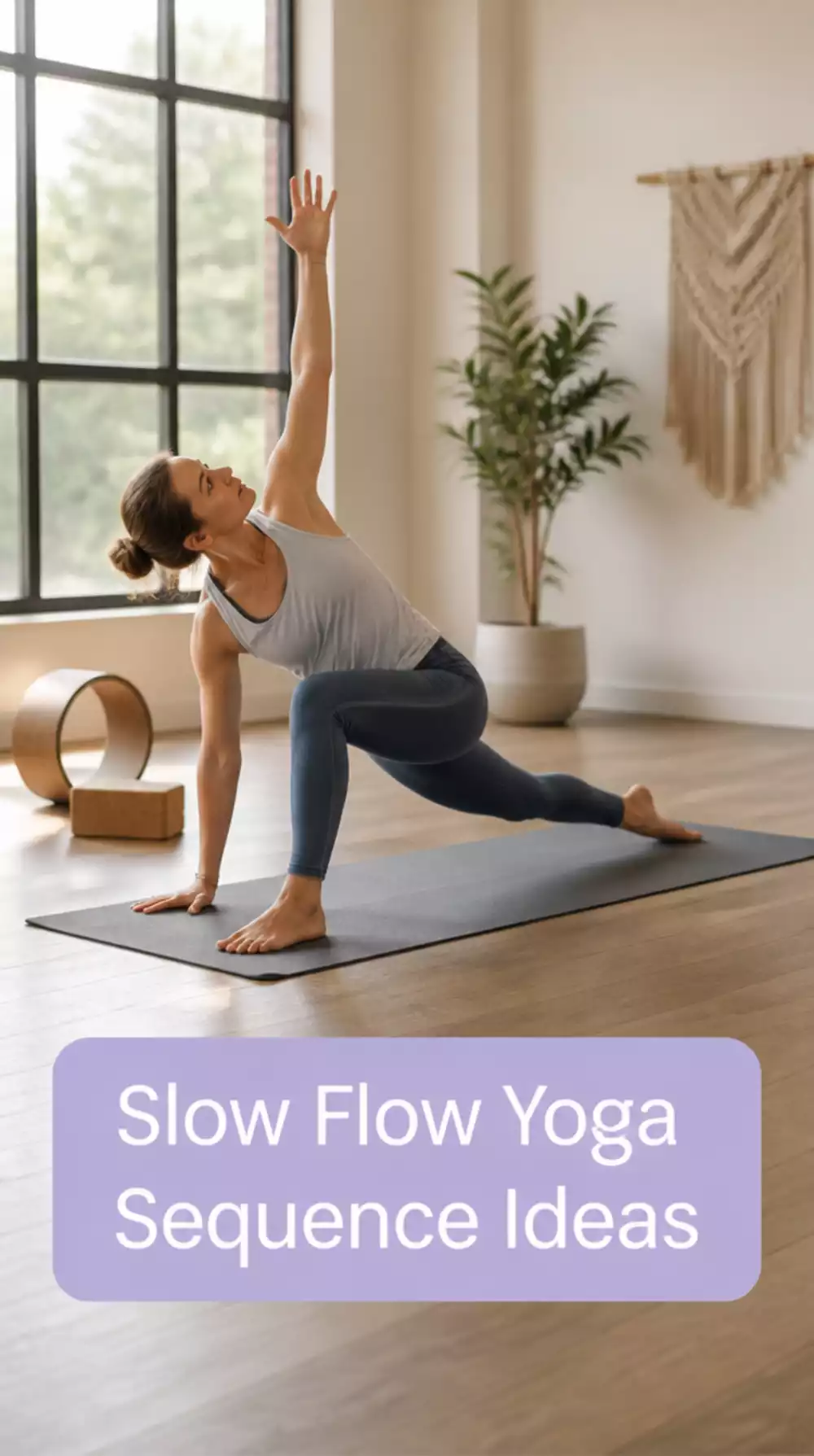
Experience tranquility through mindful movement and breath.
As an Amazon Associate I earn from qualifying purchases. Affiliate links may earn me a commission at no extra cost to you.
The Benefits of Slow Flow Yoga Sequences: Slow yoga flows center around deliberate movements that sync with your breath, forcing full attention on every inhale and exhale. This practice can enhance your mindfulness, improve concentration, and promote flexibility, making it a powerful tool for managing stress and anxiety.
What many overlook is the importance of the environment during these sessions. A tranquil setting with soft lighting and calming sounds can significantly enhance your focus. For instance, using soothing music or lighting candles may help create the perfect atmosphere. This simple change can deepen your practice and increase your connection to the present moment.
- ★Maintain a consistent pace to stay focused throughout your flow.
- ★Consider using props like [Pilates Kit for Home Workouts](https://www.amazon.com/dp/B0FPWWS4YQ) to enhance comfort during your practice.
- ★Track your progress with a mindfulness journal to reflect on your experience.
⭐ Top Products for Yoga Flow Sequences
✨ Editor's Pick
Pilates Kit for Home Workouts
★★★★☆
Our Score: 4.0/5
This comprehensive kit enhances your yoga practice at home, ensuring you stay focused on each breath.
View on Amazon →Sturdy Foam Yoga Block Set
★★★★½
Our Score: 4.5/5
These yoga blocks enhance stability for poses, making your flow sequence more effective.
View on Amazon →Yoga Wheel Set for Back Pain
★★★★☆
Our Score: 4.0/5
This yoga wheel provides support for back pain relief, enhancing your flow practice.
View on Amazon →🚀 Quick Tips:
- Set the Mood: Dim the lights and play soft music to create a calming atmosphere.
- Focus on Your Breath: Synchronize your movements with each inhale and exhale for deeper engagement.
- Stay Present: If your mind wanders, gently bring your focus back to your breath and body.
Yoga Body Scan Meditation That Trains Awareness of Physical Sensation Over Time
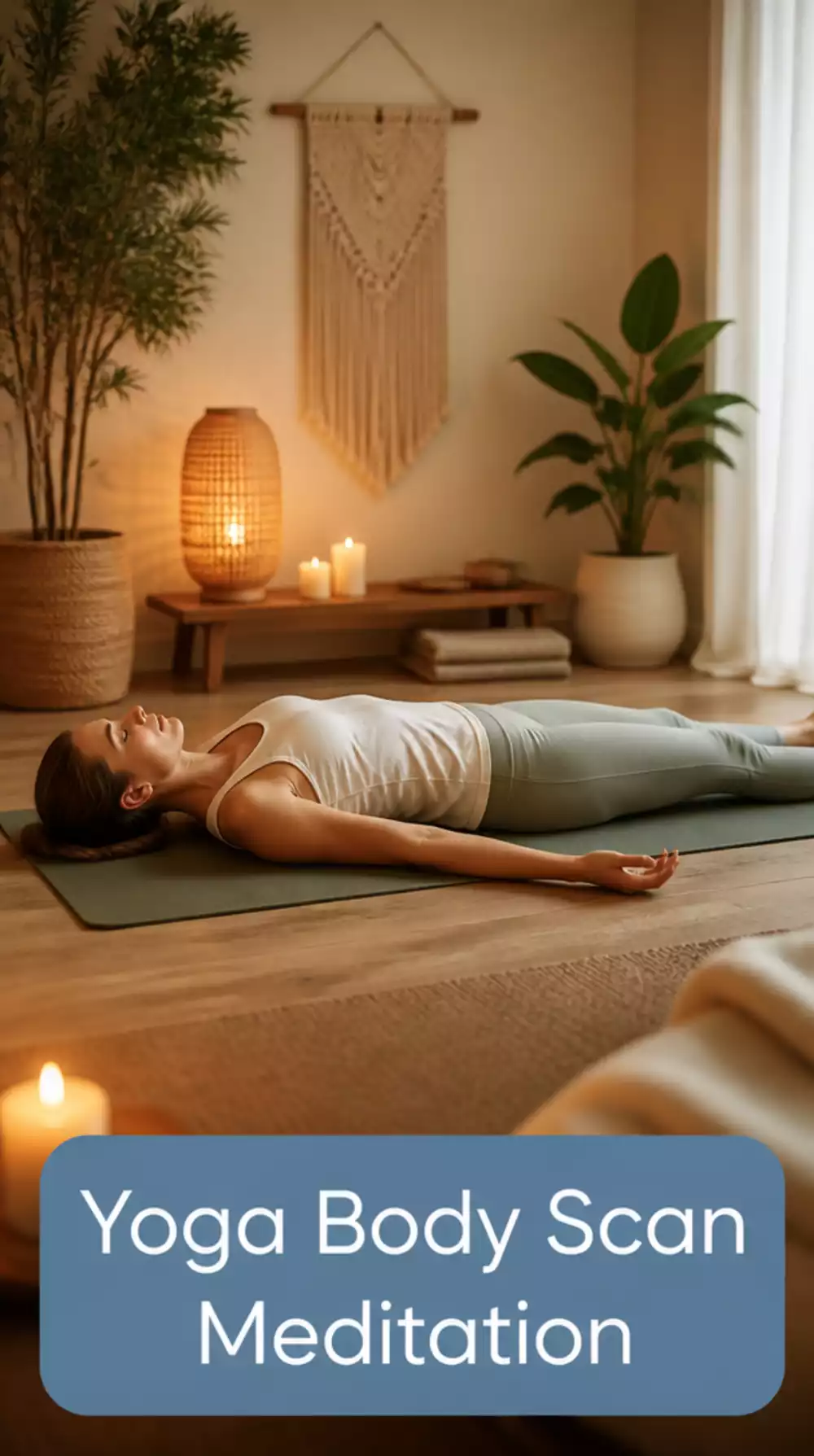
Deepen your awareness with the transformative body scan meditation.
The Importance of Body Scan Meditation: Imagine lying on your mat, fully aware of every sensation your body feels—that's the essence of body scan meditation. This practice enhances bodily awareness by systematically focusing your attention on different areas, which can help alleviate stress and promote relaxation while building a deeper connection between mind and body.
Where Most People Get Stuck: Many beginners struggle with mind wandering during body scan meditation. It's easy to let distractions pull your focus away. For instance, while you're trying to concentrate on your toes, thoughts about your to-do list might creep in. A helpful way to combat this is to remind yourself that it’s normal; simply acknowledge the distraction and gently guide your focus back to the body.
- ★Start with a short 5-minute daily body scan to build your mindfulness over time.
- ★Choose a quiet, comfortable space to minimize distractions during your practice.
- ★Use a supportive meditation pillow like the Tibetan Meditation Pillow for added comfort.
⭐ Top Products for Yoga Meditation
✨ Editor's Pick
Tibetan Meditation Pillow
★★★★½
Our Score: 4.5/5
This plush pillow provides ergonomic support for long meditation sessions, enhancing your practice.
View on Amazon →Rectangular Yoga Bolster Pillow
★★★★☆
Our Score: 4.0/5
This firm bolster is perfect for restorative yoga and meditation practices, enhancing support.
View on Amazon →Rectangular Yoga Bolster
★★★★☆
Our Score: 4.0/5
This lightweight bolster is ideal for travel, supporting various poses during meditation.
View on Amazon →💡 Best Practices:
- Set a timer: Start with 5 minutes and gradually extend your practice as you become comfortable.
- Find your space: Choose a quiet spot free from distractions for your meditation session.
- Use guided meditations: Consider listening to a guided body scan to help you stay focused on sensations.
Walking Yoga Meditation Technique That Brings Mindfulness Into Every Step
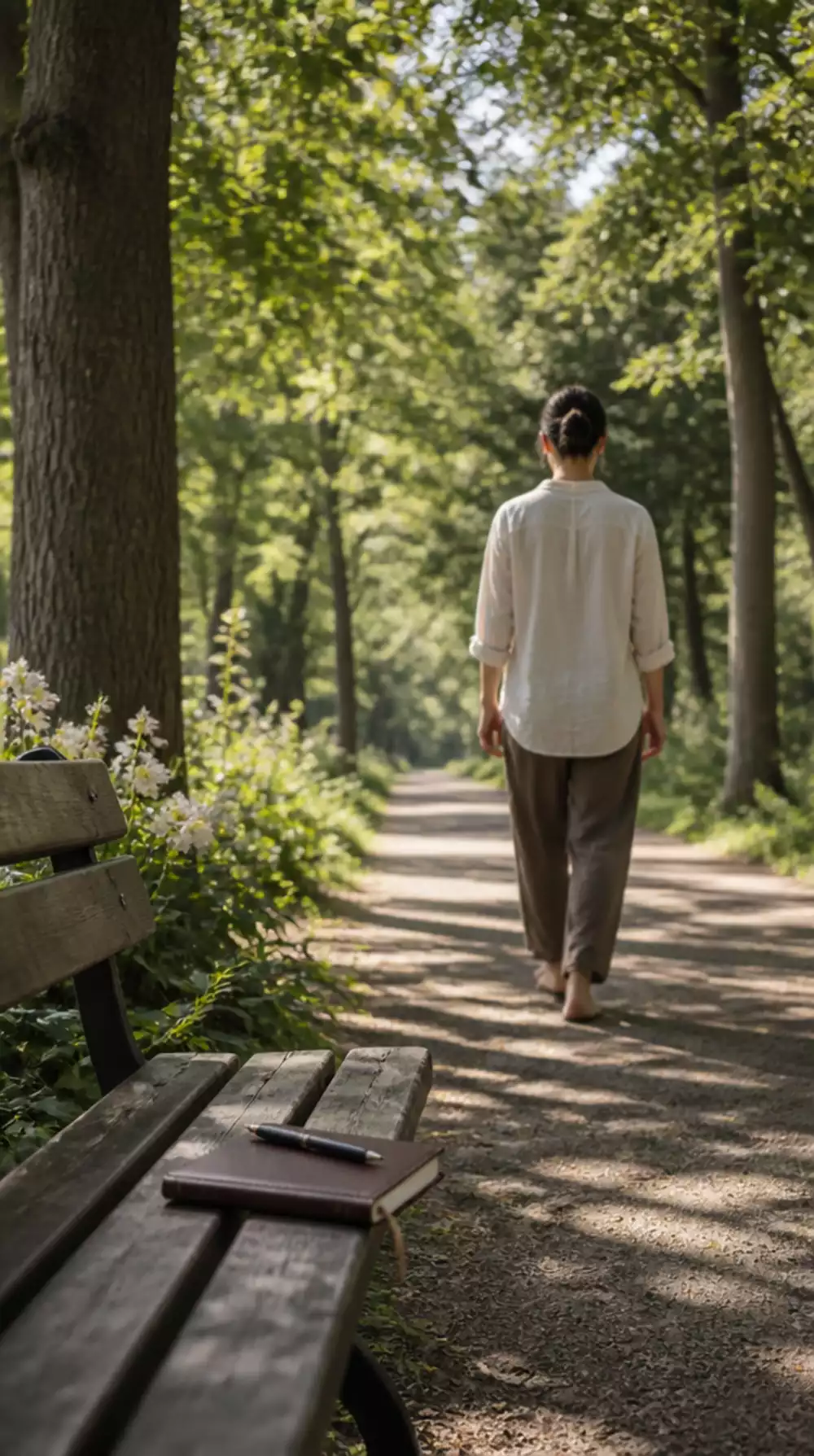
Experience mindfulness in every step you take.
How Walking Yoga Meditation Enhances Mindfulness: Walking yoga meditation combines the physical act of walking with the mental practice of mindfulness. By focusing on your breath and each step, you cultivate a stronger connection to the present moment, reducing stress and enhancing mental clarity. This technique not only promotes physical health but also deepens your meditation practice as you navigate your environment with intention.
Where Most People Get Stuck: Many people fail to realize the power of synchronizing breath with each step. This simple adjustment can elevate your practice, making each walk a chance to cultivate mindfulness. For example, if you breathe in for three steps and out for four, it creates a rhythmic flow that helps anchor your thoughts.
- ★Choose a quiet outdoor space for your meditation practice.
- ★Keep a fitness journal handy to track your insights and progress.
- ★Focus on your surroundings; notice colors, sounds, and sensations to deepen awareness.
⭐ Top Products for Walking Yoga Meditation
Eco-Friendly Fitness Yoga Mat
★★★★½
Our Score: 4.5/5
This lightweight, non-slip mat is perfect for outdoor yoga and meditation practices.
View on Amazon →Stretching Strap for Physical Therapy
★★★★☆
Our Score: 4.0/5
This strap enhances flexibility and aids in recovery during physical therapy.
View on Amazon →✨ Editor's Pick
Fitness Journal for Workouts
★★★★★
Our Score: 5.0/5
This fitness journal helps track workouts and maintain mindfulness during exercises.
View on Amazon →🚀 Quick Tips:
- Choose a scenic route: Walking in nature can enhance your sensory experience.
- Sync your breath: Breathe in for three steps and out for four to cultivate rhythm.
- Limit distractions: Leave your phone behind to fully immerse yourself in the moment.
Yoga Breath Counting Technique That Anchors the Mind When Thoughts Intrude
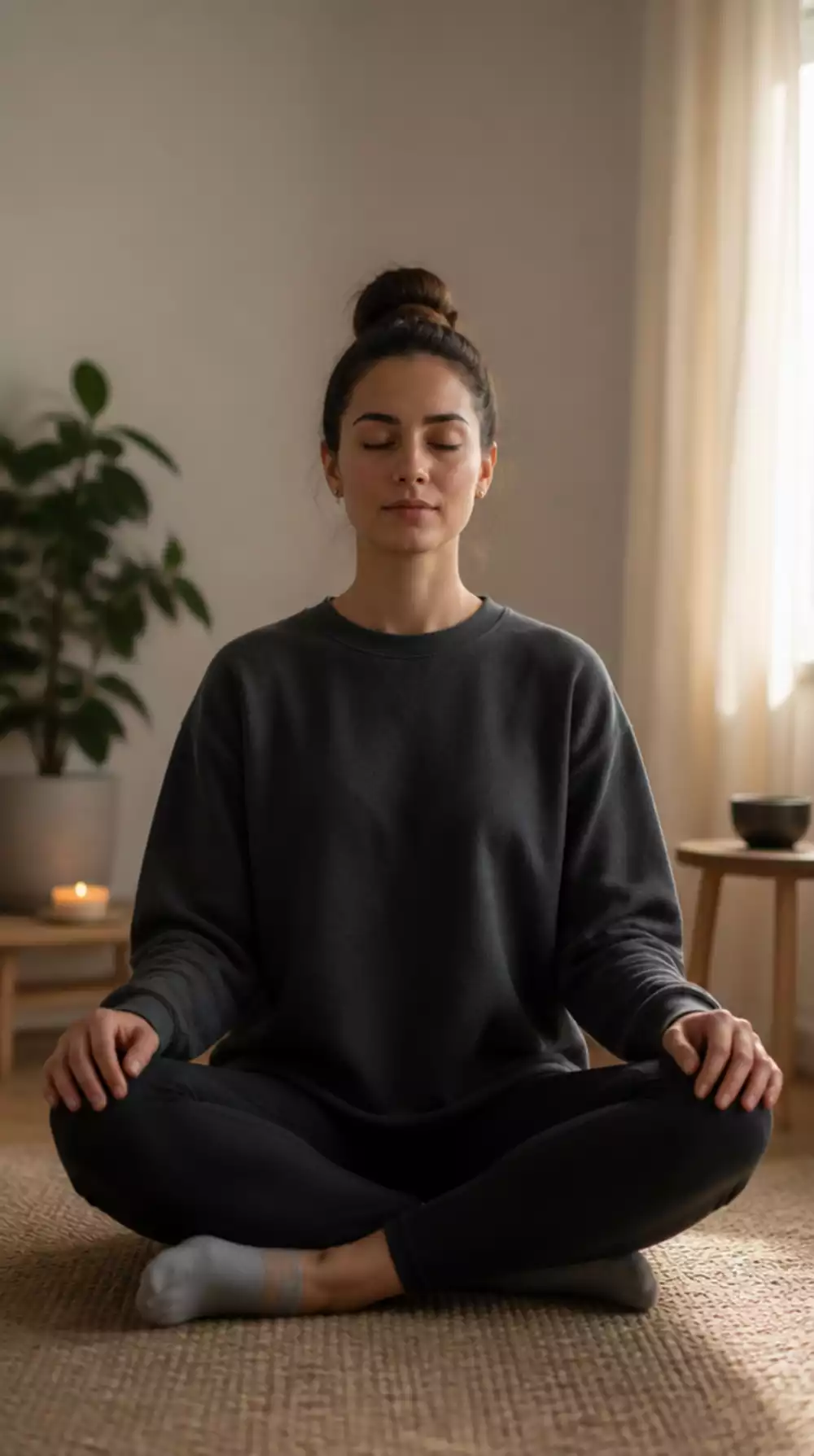
Practice breath counting to cultivate calm and presence.
How Breath Counting Technique Enhances Mindfulness: This technique serves as a practical tool to refocus the mind when distractions arise. By counting breaths, you create a simple structure that fosters deep concentration, helping to ground practitioners in the present moment and enhancing overall mindfulness.
What Many People Overlook is the potential for breath counting to be integrated into daily routines. For instance, you might find that incorporating it during moments of stress—like waiting in line or during a commute—can provide immediate calm. This simple practice can help you regain focus effortlessly.
- ★Practice counting breaths from 1 to 10 to regain focus during distractions.
- ★Incorporate breath counting into different mindfulness practices for better results.
- ★Avoid counting too fast; allow each breath to be intentional and mindful.
🚀 Simple Ways to Apply It:
- Start with a count of three breaths: This helps ease into the practice without feeling overwhelmed.
- Set a timer for five minutes: This will keep you focused and allow for a smooth experience.
- Practice in a quiet space: Choose a calming environment to minimize distractions during your session.
Embracing mindfulness can feel like a quiet wave building beneath the surface. Every mindful breath and step contributes to a deeper connection, even when it seems subtle. This journey invites a gentle pace and a focus on consistent presence rather than perfection.
✨ Keep This in Mind:
- Create a calm space by exploring how to create a calm and serene home yoga space.
- Find gentle tools for comfort, such as bolsters in yoga blocks and supports.
- Allow yourself to pause and appreciate small moments of stillness throughout your day.
Restorative Yoga Pose with Eye Pillow That Creates a Sensory Withdrawal Experience
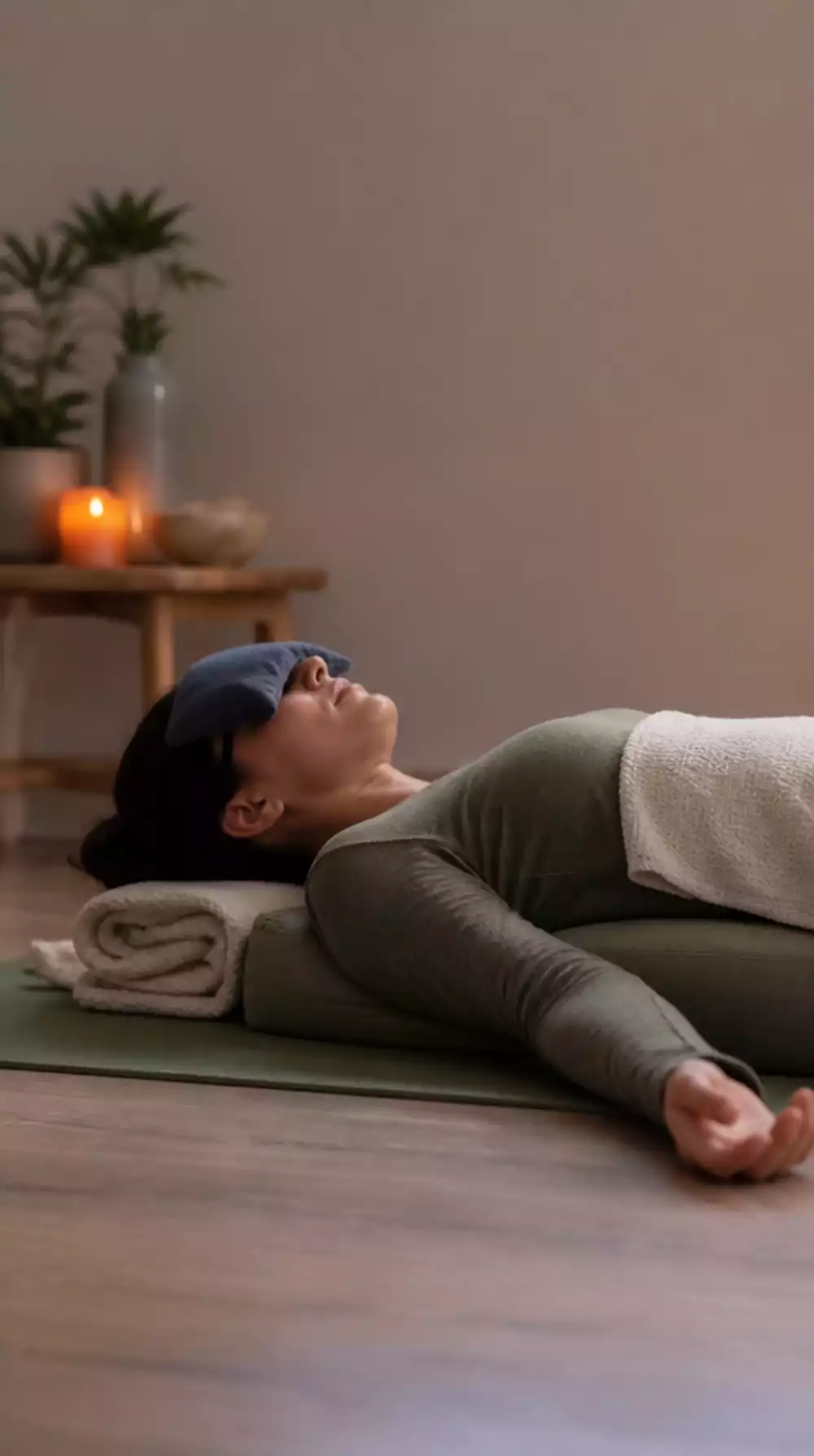
Experience deep relaxation and sensory withdrawal with restorative yoga.
How Restorative Yoga Poses with Eye Pillows Enhance Relaxation: Restorative yoga focuses on gentle stretches and relaxation, promoting deep recovery and tranquility. Using an eye pillow during poses like supported child’s pose or supta baddha konasana enhances sensory withdrawal, allowing you to tune out distractions and sink into a more profound state of peace.
Where Most People Get Stuck: Many practitioners overlook the importance of creating a cozy environment for restorative yoga. For instance, using soft lighting and calming scents can significantly enhance your experience. By neglecting these details, you may miss the full benefits of relaxation and mindfulness your practice can offer.
- ★Use a triple-layer sponge yoga bolster for added support during restorative poses.
- ★Set up a tranquil space with soft lighting and calming scents for optimal relaxation.
- ★Practice restorative yoga for at least 15-30 minutes to experience full benefits.
⭐ Top Products for Restorative Yoga
Triple-Layer Sponge Yoga Bolster Pillow
★★★★☆
Our Score: 4.0/5
This bolster enhances restorative yoga practices with firm support and comfort.
View on Amazon →✨ Editor's Pick
Triple-Layer Sponge Yoga Bolster
★★★★½
Our Score: 4.5/5
This bolster provides excellent support during restorative yoga sessions, enhancing relaxation.
View on Amazon →Round Bolster for Meditation
★★★★☆
Our Score: 4.0/5
This bolster offers stability and comfort during both yoga and meditation.
View on Amazon →💡 Quick Tips:
- Create a calming space: Use soft lighting and soothing scents to enhance your practice.
- Choose supportive poses: Incorporate poses like supported child's pose with an eye pillow for deeper relaxation.
- Practice regularly: Aim for at least 15-30 minutes to fully embrace the restorative benefits of yoga.
Yoga Mindfulness Journal That Records One Present-Moment Observation Per Practice
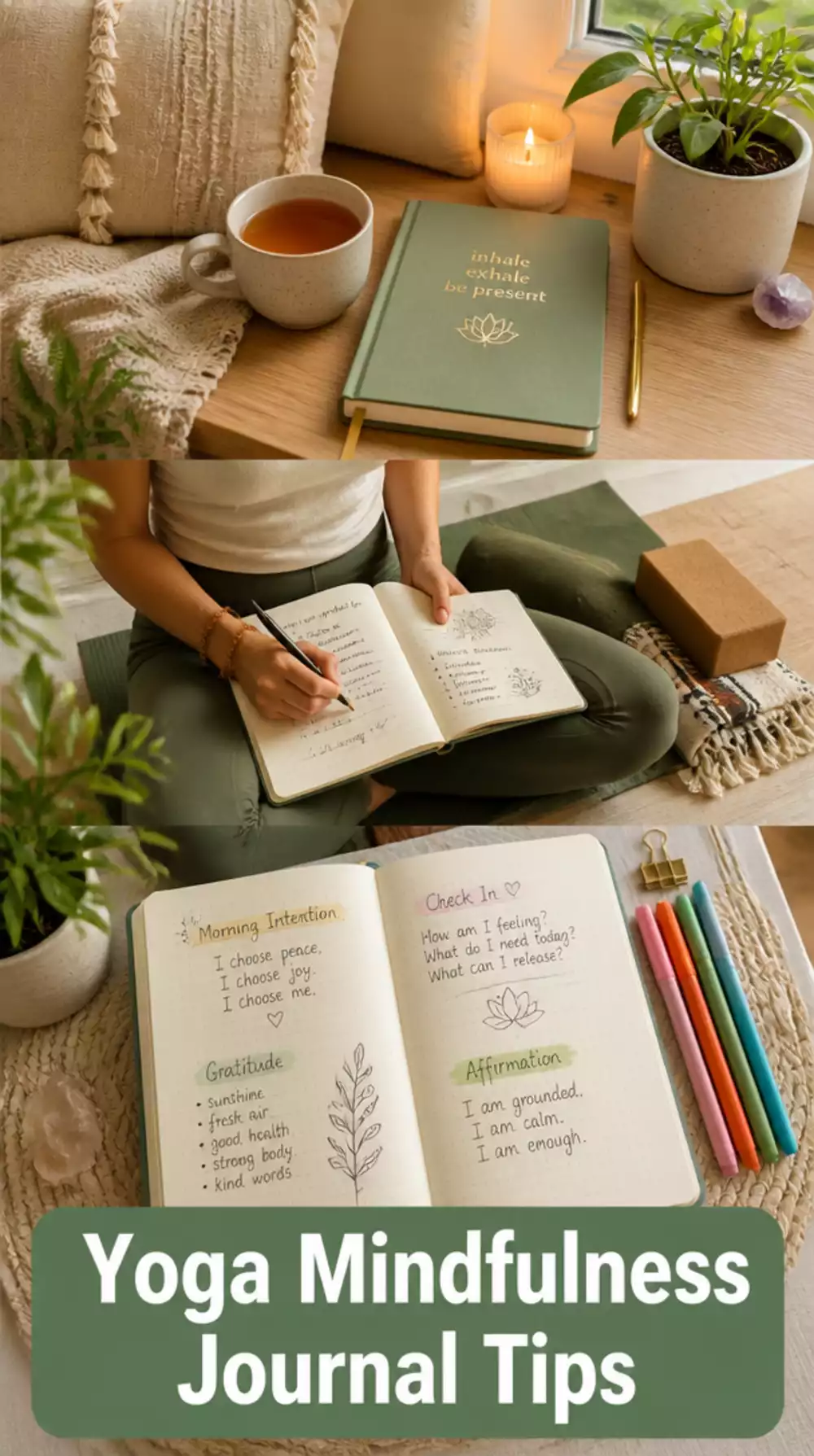
Capture your yoga journey through mindful reflections and observations.
Why a Yoga Mindfulness Journal Matters: Recording a single observation after each practice helps you deepen your connection to the present moment. This process solidifies insights gained during yoga, fostering personal growth and enhancing your overall mindfulness experience. Think of it as a treasure chest of reflections that you can revisit.
Where Most People Get Stuck: Many practitioners overlook the power of journaling because they underestimate its impact. They may think it’s just writing down thoughts, but it’s about creating a dialogue with yourself. For instance, jotting down a feeling you experienced during a pose can reveal patterns over time, enriching your practice.
- ★Use prompts like "What did I feel during today's practice?" to guide your entries.
- ★Consistency is key; aim to write in your journal immediately after each session.
- ★Consider using the Five Minute Journal for Gratitude to streamline your reflections.
⭐ Top Products for Mindfulness Journals
Goal Setting Planner for Productivity
★★★★½
Our Score: 4.5/5
This planner helps you track goals and habits while fostering mindfulness and reflection.
View on Amazon →Clever Fox Planner for Life Goals
★★★★☆
Our Score: 4.0/5
This planner enhances productivity while serving as a gratitude journal for daily reflections.
View on Amazon →✨ Editor's Pick
Five Minute Journal for Gratitude
★★★★★
Our Score: 5.0/5
Perfect for quick reflections, this journal promotes gratitude and enhances mindfulness practice.
View on Amazon →📋 Key Steps to Follow:
- Set a dedicated time: Choose a specific moment after each practice to write your observation.
- Use varied prompts: Experiment with different questions to inspire thoughtful reflections.
- Reflect regularly: Review your past entries to identify growth and recurring themes in your practice.
The Mala Bead Bracelet That Serves as a Physical Mindfulness Anchor Off the Mat
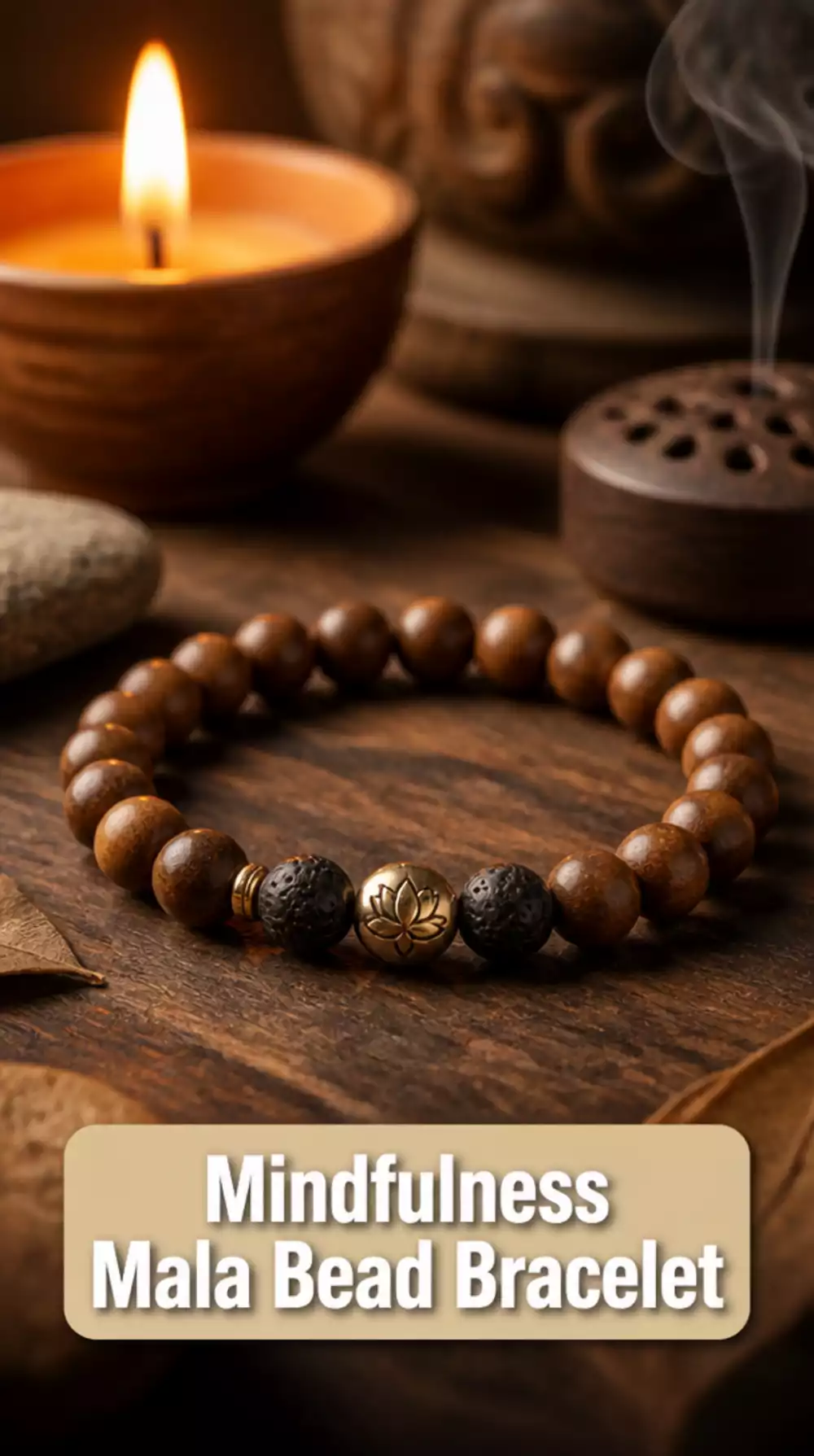
A gentle reminder to stay mindful throughout your day.
Understanding the Role of a Mala Bead Bracelet: Mala beads are traditionally used in meditation, providing a tactile focus that helps ground your thoughts. These beautiful bracelets serve as a physical mindfulness anchor, allowing you to reconnect with your practice anywhere. By incorporating them into daily routines, you can enhance your focus and reduce stress throughout your day.
What many people overlook is the profound impact that a simple tactile object can have in moments of distraction. For instance, during a stressful meeting, gently rolling the beads through your fingers can bring awareness back to your breath and center your thoughts, helping you remain calm and focused.
- ★Use mala beads during meditation to enhance focus and intention.
- ★Choose a mala bracelet that speaks to you, considering color and texture.
- ★Keep your mala bead bracelet visible to remind you to stay mindful throughout the day.
💡 Your Quick Start Guide:
- Wear your mala beads: This keeps mindfulness at the forefront of your daily activities.
- Practice during meetings: Roll the beads to maintain focus and reduce anxiety when distractions arise.
- Incorporate into meditation: Use mala beads to count mantras, reinforcing your intention and grounding your practice.
You now have seven practical approaches to enhance your mindfulness through yoga. Focus on what feels comfortable and achievable as you integrate these practices into your daily routine.
Progress in mindfulness unfolds with time, and every small step contributes to a deeper sense of presence. Remember, your journey toward mindfulness is uniquely yours, and each thoughtful action will lead to greater clarity and peace.
Lara V. Hargrove
Lara V. Hargrove is a passionate yoga enthusiast and wellness advocate dedicated to helping individuals cultivate mindful home yoga practices. With years of experience as a yoga practitioner and a deep understanding of yoga philosophy, Lara shares her insights and expertise through thoughtful reviews and practical guides. She believes in the transformative power of yoga and is committed to helping others create harmonious spaces for their practice.