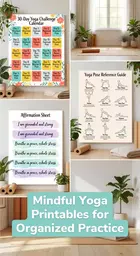
Daily Yoga for Overall Wellness That Nurtures the Body and Calms the Mind
Integrating daily yoga into your routine can profoundly impact both your body and mind. By embracing simple poses and self-care tools, you can enhance your strength, flexibility, and calmness. Let’s delve into some effective practices that will transform your overall wellness.
Morning Sun Salutation Yoga Pose That Sets a Positive Tone for the Whole Day
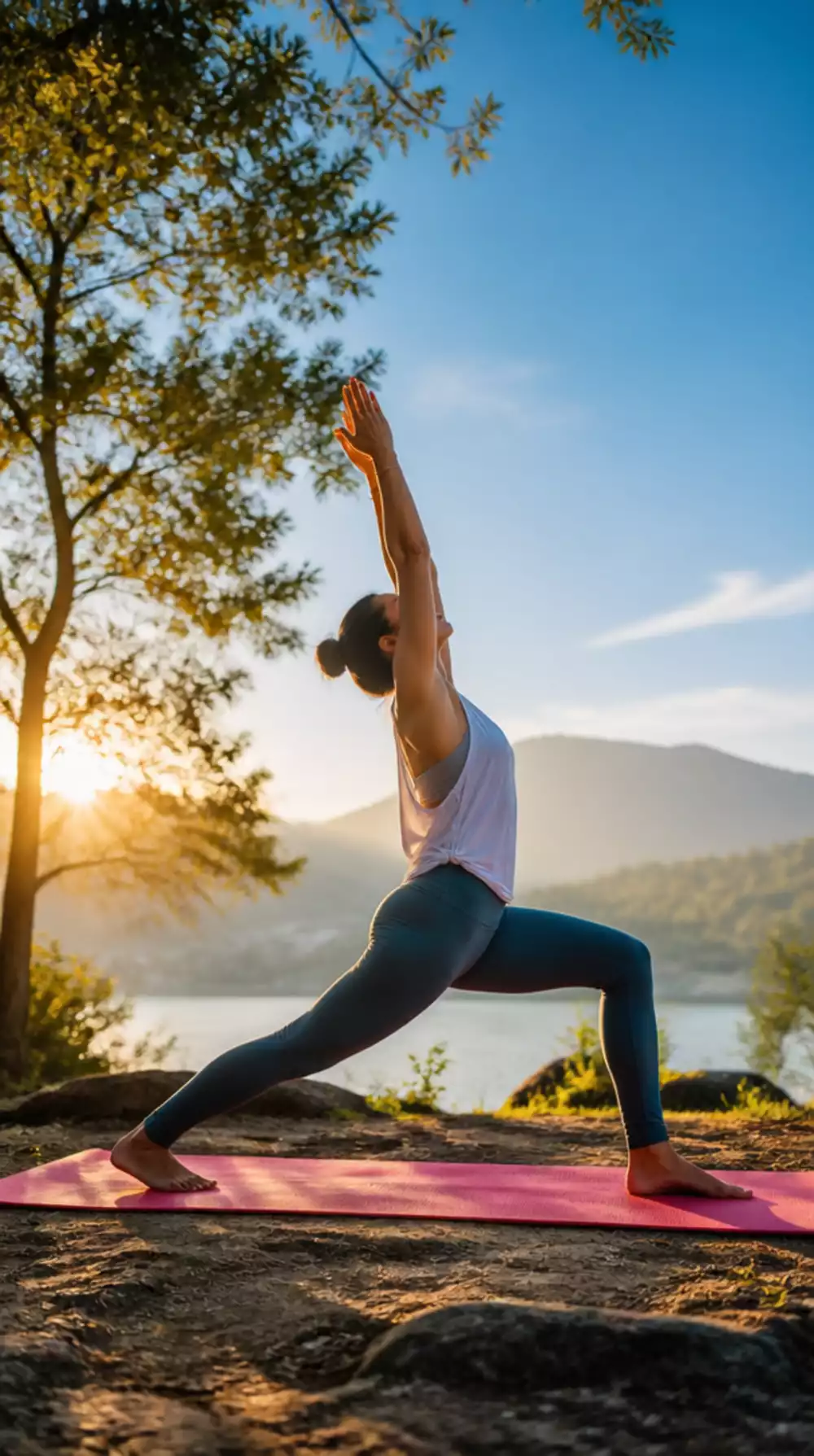
Start your day with positivity and energy through yoga.
As an Amazon Associate I earn from qualifying purchases. Affiliate links may earn me a commission at no extra cost to you.
Understanding the Morning Sun Salutation: The Sun Salutation, or Surya Namaskar, is a dynamic sequence of poses that invigorates the body and mind. It increases blood flow and helps energize you for the day ahead, establishing a mindful and positive atmosphere.
Many people overlook the importance of breath during this practice. Focusing on your breath allows for deeper engagement with each pose, enhancing the overall experience. For instance, if you breathe deeply while transitioning between poses, you’re likely to feel more centered and energized.
- ★Practice in a quiet space to enhance focus and mindfulness.
- ★Use an eco-friendly non-slip yoga mat for comfort and grip. Check it out here.
- ★Begin with a few rounds of Sun Salutations to warm up your body and mind.
⭐ Top Products for Yoga Mats
✨ Editor's Pick
Eco-Friendly Non-Slip Yoga Mat
★★★★★
Our Score: 5.0/5
This eco-friendly mat offers excellent grip and comfort for various yoga styles.
View on Amazon →Sunny Health Non-Slip Exercise Mat
★★★★½
Our Score: 4.5/5
This durable mat provides stability and cushioning for home workouts and yoga.
View on Amazon →Stretching Yoga Strap with 10 Loops
★★★★☆
Our Score: 4.0/5
Enhance your yoga practice and flexibility with this durable stretching strap.
View on Amazon →🚀 Quick Tips:
- Choose a quiet space: Find a serene spot to enhance your focus during the Sun Salutation.
- Incorporate breath: Sync your breath with each movement to deepen your practice and energize.
- Start slow: If you're a beginner, begin with just a few rounds and gradually increase as you feel comfortable.
Standing Yoga Tree Pose That Improves Balance, Focus, and Grounded Awareness
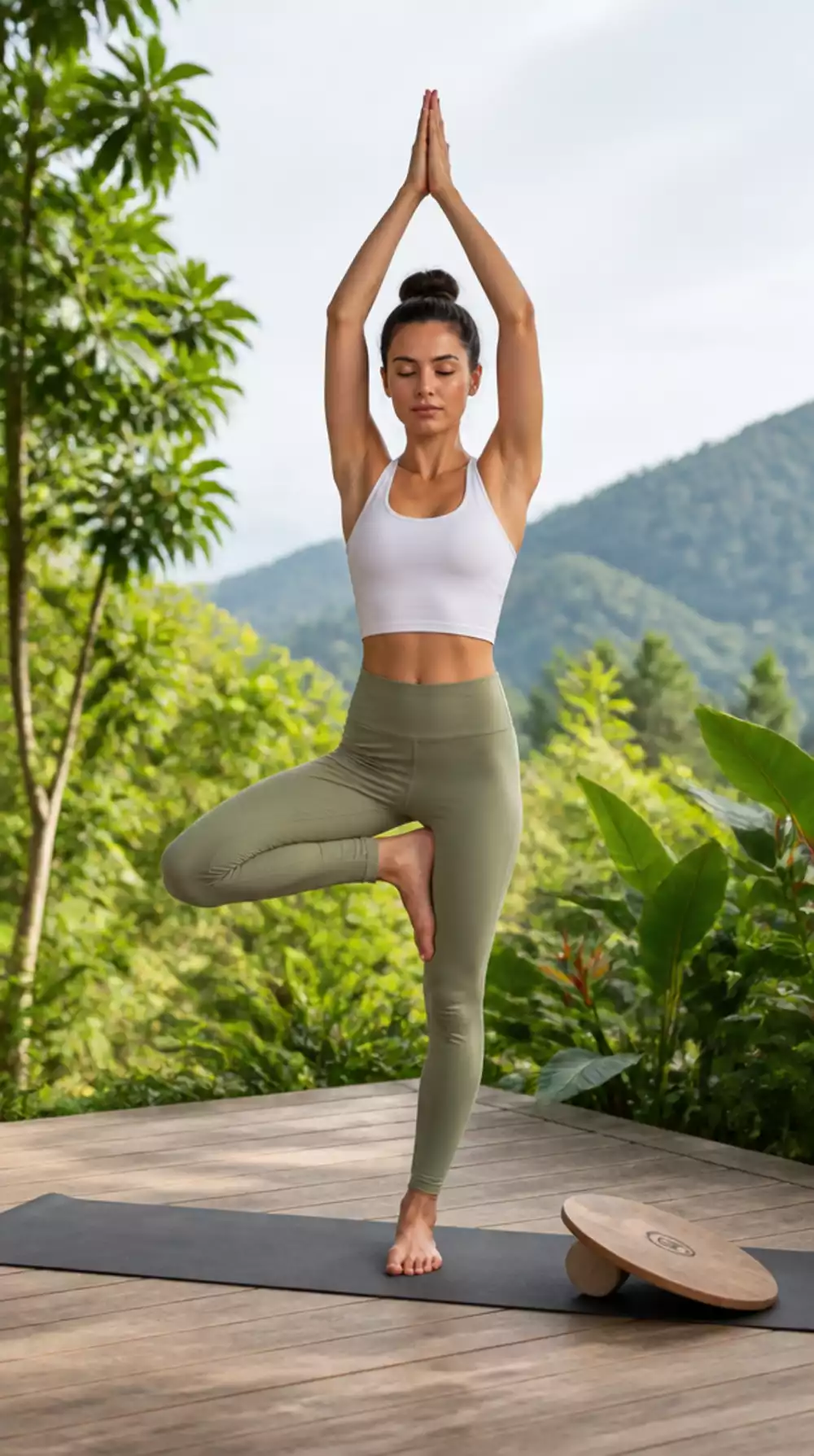
Cultivate inner peace and physical stability with the Tree Pose.
Understanding the Tree Pose's Impact: The Standing Yoga Tree Pose, or Vrksasana, is vital for enhancing balance and focus. By rooting one foot firmly and lifting the other into a tree-like stance, this pose encourages physical stability while promoting mental clarity. Practicing Tree Pose regularly can help you feel more grounded, both on and off the mat.
This often gets overlooked: Many practitioners struggle with maintaining balance, which can hinder their practice. Visualizing a tree—strong and stable—can assist in achieving your pose. Instead of focusing solely on the outcome, center your thoughts on the process, which helps foster confidence and strength in your practice.
- ★Start with your feet hip-width apart and shift your weight onto one leg.
- ★Use a balance board to enhance stability while practicing.
- ★Breathe steadily and focus on a point in front of you to maintain your balance.
⭐ Top Products for Balance Training
Natural Cork Yoga Blocks Set
★★★★☆
Our Score: 4.0/5
These cork yoga blocks provide essential support, helping improve your balance and stability in Tree Pose.
View on Amazon →✨ Editor's Pick
Professional Anti-Slip Balance Board
★★★★½
Our Score: 4.5/5
This balance board enhances coordination and core strength, essential for mastering the Tree Pose.
View on Amazon →Nonslip Foam Balance Pad
★★★★☆
Our Score: 4.0/5
This balance pad is perfect for enhancing stability during Tree Pose and other workouts.
View on Amazon →💡 Key Steps to Follow:
- Focus on your breath: Steady breathing helps maintain balance during the pose.
- Utilize a wall for support: This can assist beginners in finding stability while practicing.
- Visualize strong roots: Picture a tree rooting into the earth to enhance your sense of groundedness.
Seated Yoga Forward Fold That Lengthens the Whole Back Body and Calms the Mind
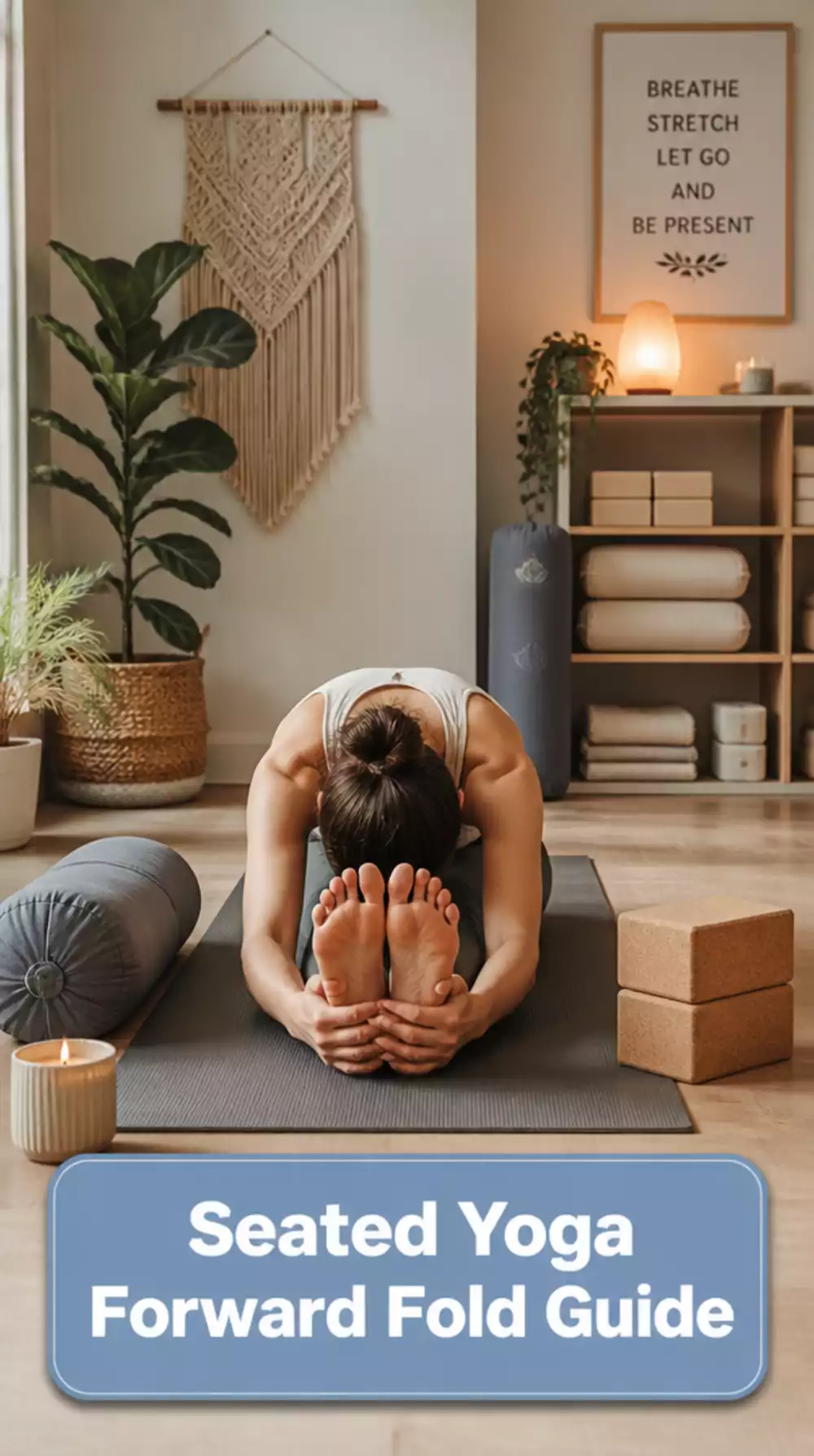
Experience relaxation and relief with the perfect stretch.
How Seated Forward Fold Helps You: The Seated Forward Fold is a gentle way to stretch the entire back body. This pose not only releases tension but also promotes relaxation and mental clarity. By folding forward, your body elongates and decompresses, which can be especially soothing after a long day spent sitting or standing.
What People Rarely Consider: Many practitioners overlook the importance of props when doing a Forward Fold. Using items like a bolster or yoga blocks can significantly enhance your stretch and comfort, especially when flexibility is limited. This small adjustment can lead to a deeper release, making the practice more enjoyable and effective.
- ★Use a bolster pillow for added support during your Forward Fold.
- ★Focus on deep, rhythmic breathing to enhance the calming effects of the pose.
- ★Modify the pose by bending your knees slightly if hamstring tightness occurs.
⭐ Top Products for Yoga Meditation
✨ Editor's Pick
Round Bolster Pillow for Yoga
★★★★★
Our Score: 5.0/5
This bolster pillow offers essential support for deeper stretches and promotes relaxation.
View on Amazon →Elastic Stretching Strap with Loops
★★★★½
Our Score: 4.5/5
This versatile strap enhances flexibility and assists in achieving deeper stretches during practice.
View on Amazon →EVA Foam Yoga Blocks for Stability
★★★★☆
Our Score: 4.0/5
These blocks offer extra stability and support during challenging poses for better alignment.
View on Amazon →📋 Quick Tips:
- Use a bolster: Place it beneath your forehead to deepen your Forward Fold.
- Focus on your breath: Inhale deeply and exhale slowly to promote relaxation.
- Keep your knees soft: Bend them slightly if you feel tightness in your hamstrings.
Heart-Opening Yoga Camel Pose That Lifts Mood and Releases Chest Tightness
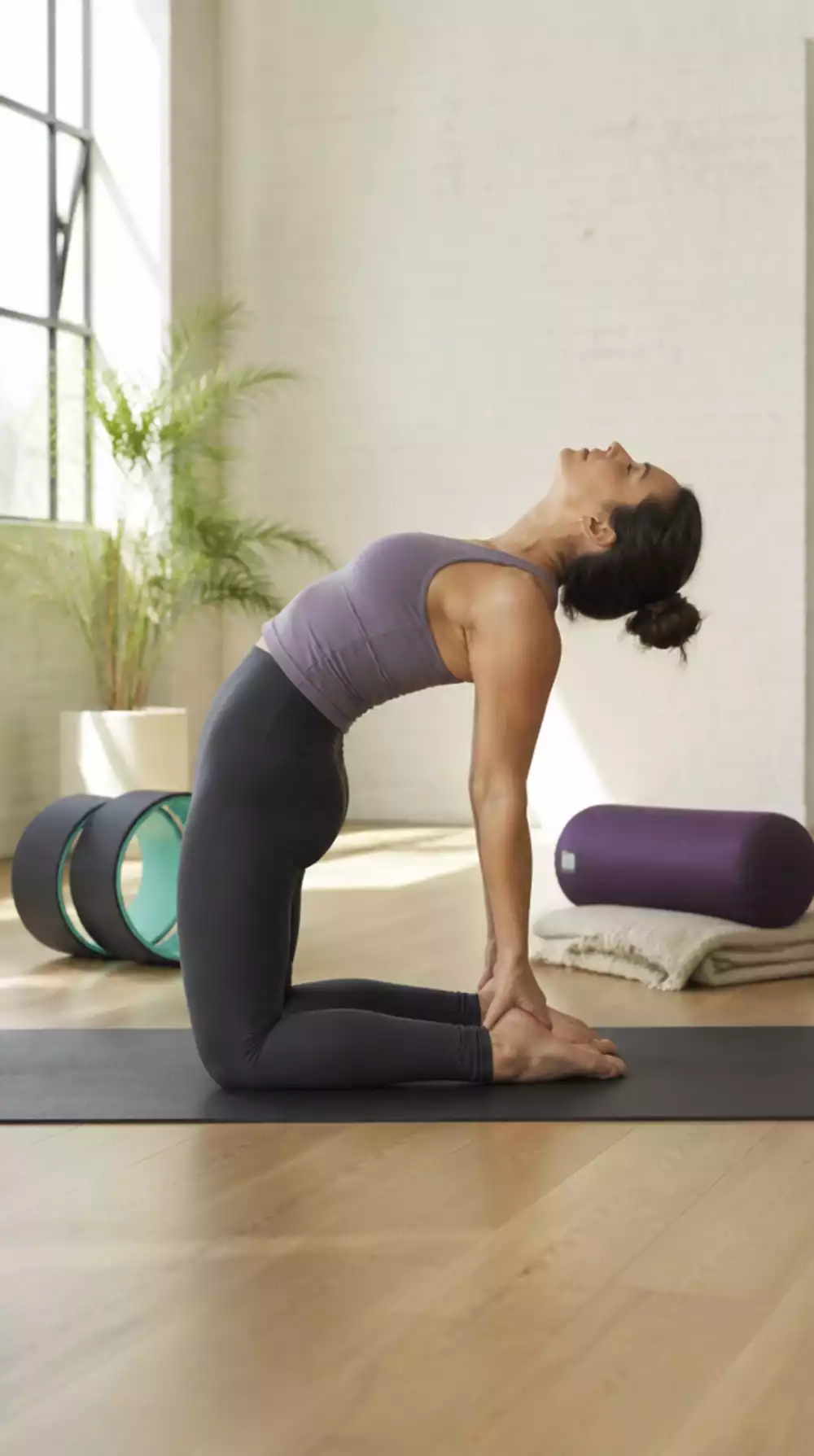
Experience the uplifting effects of heart-opening poses in your practice.
Why the Heart-Opening Camel Pose Matters: The Camel Pose is a dynamic stretch that opens the heart center, promoting emotional release and improving lung capacity. By stretching the front body, it helps lift your mood and alleviate feelings of tightness in the chest, encouraging a freer breath and a more positive mindset.
What Often Gets Overlooked is the importance of a neutral spine during the Camel Pose. Many practitioners focus solely on the depth of the backbend, neglecting spinal alignment, which can lead to discomfort or strain. A little attention to your form can enhance both the safety and effectiveness of the pose.
- ★Practice the pose with a yoga wheel for added support, enhancing your heart-opening experience.
- ★Use a bolster or pillow under your back for comfort, making the pose more accessible.
- ★Avoid overarching your lower back; engage your core to maintain stability throughout the pose.
⭐ Top Products for Heart-Opening Yoga
✨ Editor's Pick
Yoga Wheel Rack for Storage
★★★★½
Our Score: 4.5/5
Organize your yoga wheels securely, enhancing support for heart-opening poses like Camel.
View on Amazon →Triple-Layer Yoga Bolster Pillow
★★★★☆
Our Score: 4.0/5
This bolster offers firm support during Camel Pose, enhancing comfort and stability.
View on Amazon →Stretching Strap for Flexibility
★★★★☆
Our Score: 4.0/5
Use this strap to enhance flexibility for deeper heart-opening stretches like Camel Pose.
View on Amazon →💡 Simple Ways to Apply It:
- Engage your core: This helps maintain stability while opening up your heart.
- Use props for support: A yoga wheel or bolster can enhance your comfort in the pose.
- Focus on your breath: Deep, calming breaths will enhance your emotional release during practice.
Making it this far shows you’re truly embracing the journey of nurturing both body and mind. Every mindful breath and gentle stretch adds to your overall wellbeing, even if it feels subtle. This practice is about ongoing care and balance, not rushing toward perfection.
✨ Simple Reminders:
- Explore pose modifications for your level in beginner-friendly yoga poses.
- Integrate mindfulness through calming breathing techniques during your flow.
- Allow yourself space to rest and hydrate to support lasting energy.
- Consider a gentle weekly schedule that blends movement with stillness.
Yoga Nidra Body Scan That Restores Energy More Deeply Than a Short Nap
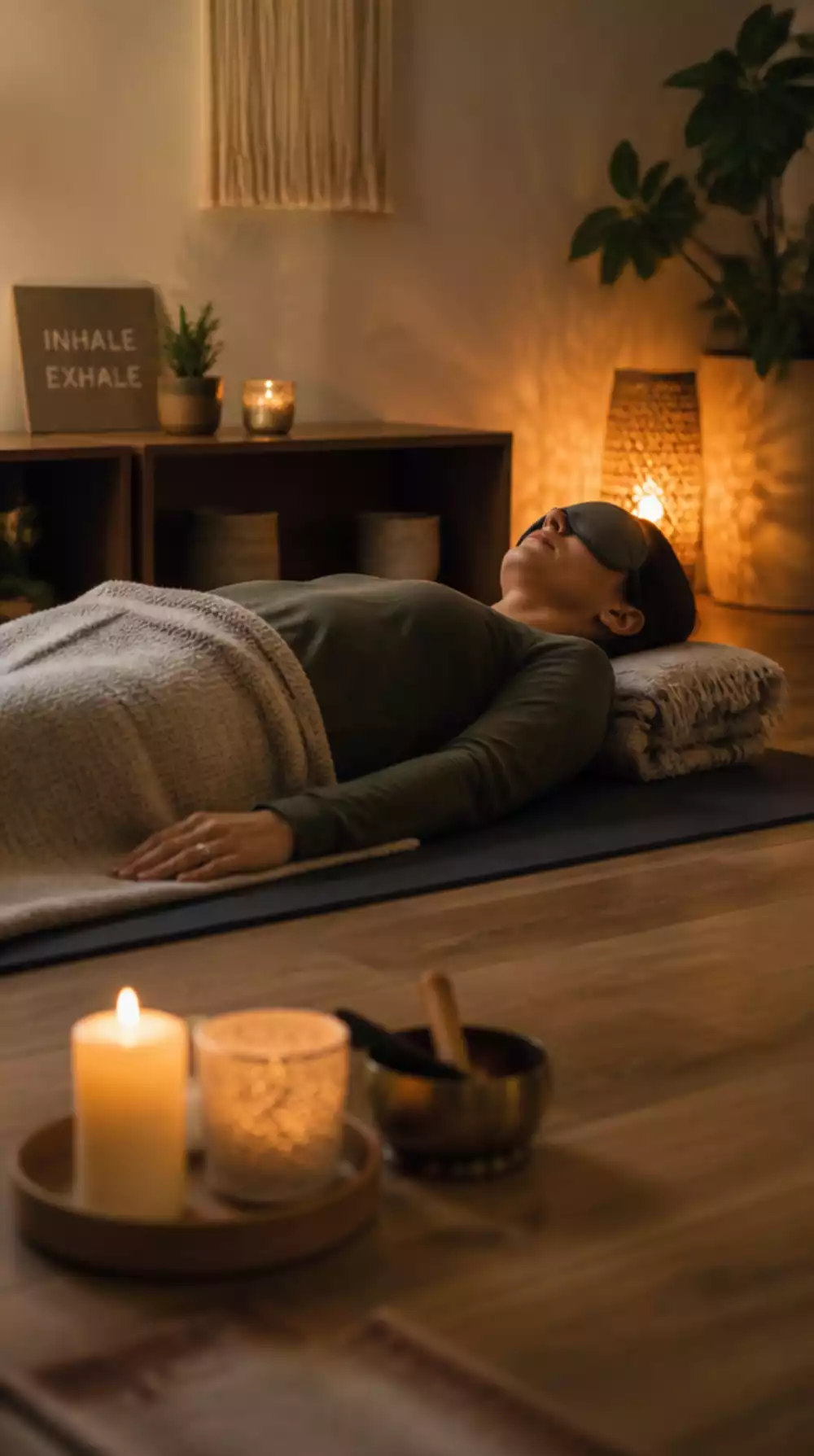
Experience profound relaxation and recharge your spirit.
Understanding Yoga Nidra Body Scan: Yoga Nidra, often referred to as "yogic sleep," allows you to experience a state of deep relaxation while remaining conscious. This practice enhances mental clarity and alleviates stress, making it a perfect tool for recharging your energy levels. By focusing on different parts of the body, you can release tension and cultivate a sense of tranquility.
One detail that often gets overlooked is the importance of creating an optimal environment for your Yoga Nidra session. Many practitioners neglect the space around them, but even subtle distractions can interrupt the flow of relaxation. For instance, using soft lighting, calming scents, and minimal noise can significantly enhance your experience.
- ★Set the scene with soft lighting and calming scents to enhance relaxation.
- ★Incorporate a Yoga Nidra script to guide your practice and deepen your experience.
- ★Consider using a non-slip yoga mat for added comfort during your session.
⭐ Top Products for Yoga Nidra
Heated Eye Massager for Relaxation
★★★★☆
Our Score: 4.0/5
This relaxing eye massager enhances your Yoga Nidra experience with soothing heat and gentle massage.
View on Amazon →✨ Editor's Pick
Eco-Friendly Non-Slip Yoga Mat
★★★★½
Our Score: 4.5/5
This durable yoga mat provides excellent grip and cushioning for restorative Yoga Nidra sessions.
View on Amazon →Eco-Friendly Non-Slip Yoga Mat
★★★★☆
Our Score: 4.0/5
This versatile mat offers excellent support for various yoga styles, including Yoga Nidra.
View on Amazon →⚡ Quick Tips:
- Create a Calm Space: Use dim lighting and calming scents to enhance your Yoga Nidra experience.
- Use a Guided Script: Follow a Yoga Nidra script to deepen your relaxation and focus.
- Practice Regularly: Aim for a few minutes of Yoga Nidra daily to reap maximum stress-relief benefits.
Yoga Self-Care Routine with a Foam Roller That Releases Post-Practice Muscle Tightness
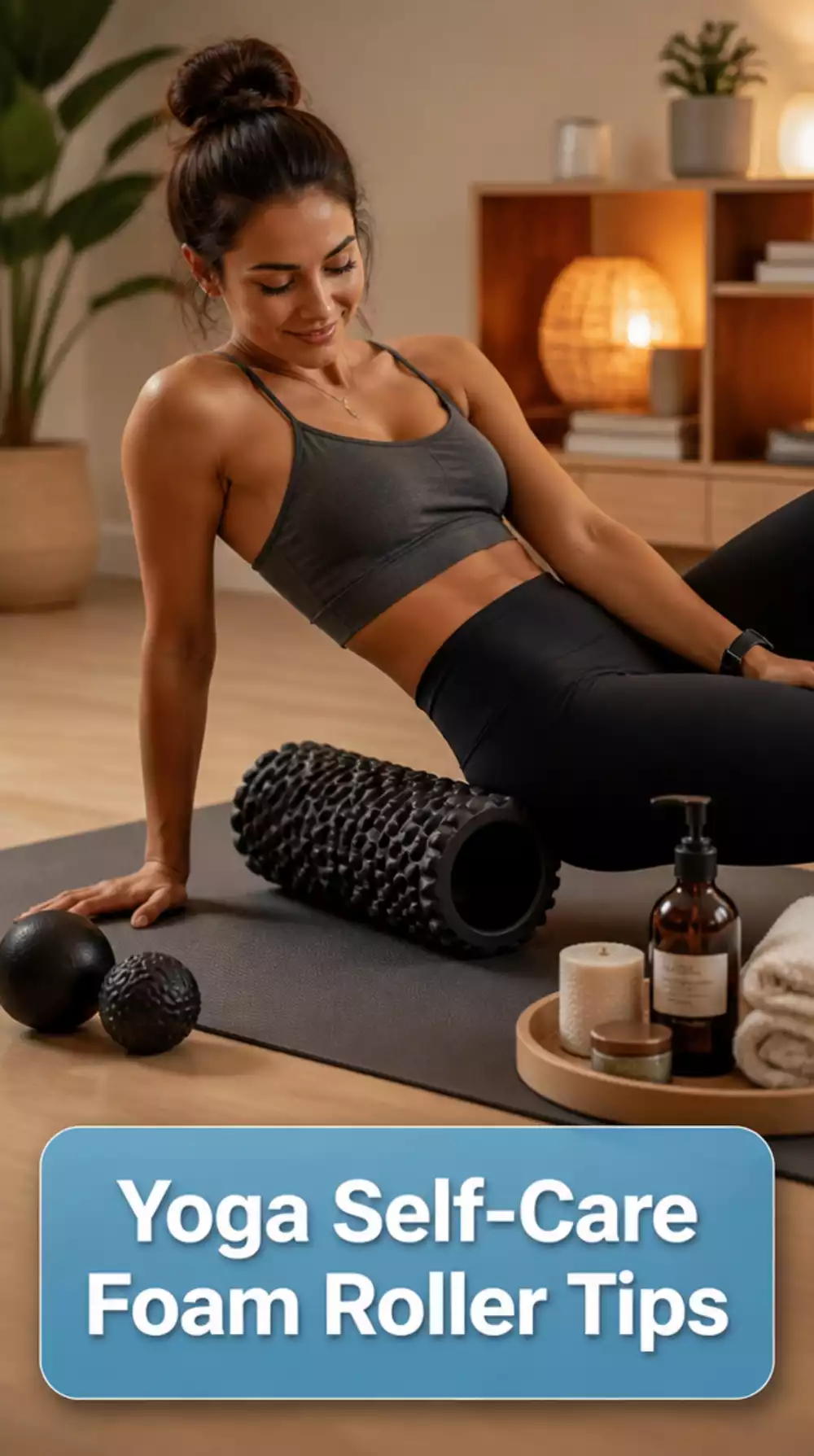
Release muscle tightness and enhance your yoga practice with self-care.
Why a Foam Roller is Essential for Yoga Recovery: Foam rolling is a crucial self-care tool that aids in muscle recovery after yoga, alleviating any tightness and promoting better flexibility. This myofascial release technique can significantly enhance your overall relaxation and recovery time. Incorporating it regularly into your routine can transform your yoga practice, allowing you to perform poses with improved ease.
Where most people get stuck is underestimating the importance of post-practice care. Many yogis finish their sessions and neglect to cool down properly. For instance, skipping foam rolling can lead to lingering soreness and reduced mobility. Instead, taking just 10 minutes to roll out tight areas can make a world of difference in how you feel.
- ★Focus on major muscle groups like the back, thighs, and calves for effective relief.
- ★Use a Portable Deep Tissue Massage Stick to alleviate knots on the go.
- ★Hydrate well before and after foam rolling to enhance muscle recovery.
⭐ Top Products for Muscle Recovery
Massage Ball Set for Muscle Relief
★★★★½
Our Score: 4.5/5
Target specific areas of muscle tension with this versatile set for effective recovery.
View on Amazon →Back Roller for Deep Tissue Massage
★★★★☆
Our Score: 4.0/5
Use this roller to release muscle tightness effectively after your yoga sessions.
View on Amazon →✨ Editor's Pick
Portable Deep Tissue Massage Stick
★★★★★
Our Score: 5.0/5
This portable roller is perfect for targeting knots and aiding muscle recovery anytime.
View on Amazon →🚀 Quick Tips:
- Focus on areas of tightness: Spend extra time on sore spots like your back and thighs.
- Incorporate deep breathing: Pair foam rolling with deep breaths to enhance relaxation.
- Foam roll regularly: Aim for 5-10 minutes post-yoga to maintain flexibility and muscle health.
The Daily Yoga Planner That Builds Every Dimension of Wellbeing Over Thirty Days
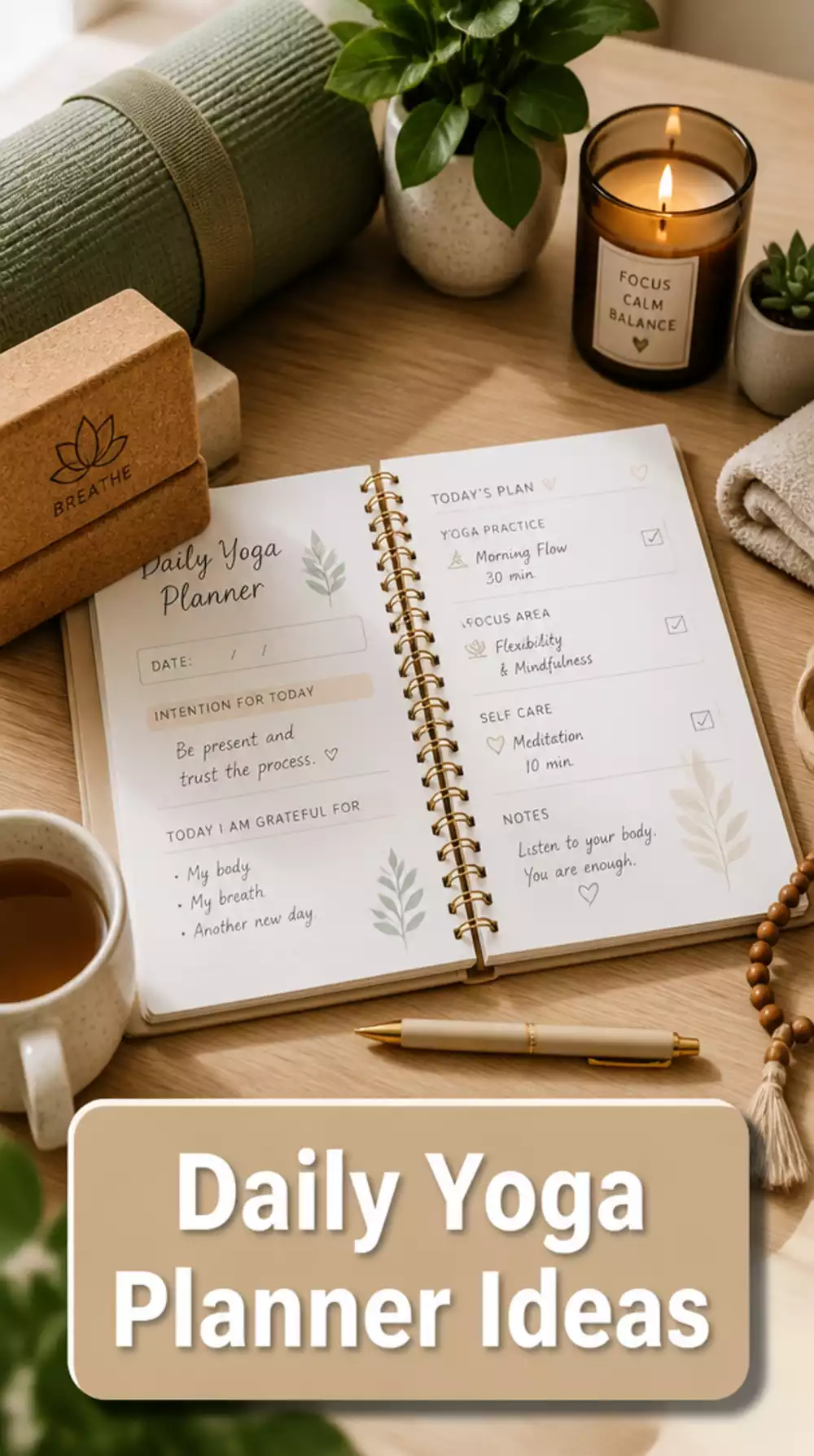
Transform your practice with a planner that supports your wellness journey.
Why a Daily Yoga Planner Matters: Tracking your yoga practice with a well-structured planner can enhance your journey toward holistic wellbeing. By setting clear goals and reflecting on your progress, you’ll cultivate a stronger connection to both your body and mind, making your practice transformative and rewarding.
What often gets overlooked is the personalization aspect of a yoga planner. Many people start using one but fail to adjust it to their specific needs. For example, you could incorporate sections for mindfulness exercises or nutrition tracking that resonate with your lifestyle, making it more effective.
- ★Set daily or weekly goals to maintain your motivation and focus.
- ★Track your mood and energy levels to identify patterns in your practice.
- ★Incorporate reflections or journaling to deepen your mindfulness practice.
⭐ Top Products for Fitness Planning
✨ Editor's Pick
Essential Guide to Yoga Basics
★★★★☆
Our Score: 4.0/5
This guide offers essential knowledge to enhance your yoga journey and build a solid foundation.
View on Amazon →Daily Wellness Planner and Health Journal
★★★★☆
Our Score: 4.0/5
This planner helps you track wellness and nutrition for a healthier lifestyle.
View on Amazon →Daily Fitness Planner and Workout Log
★★★★☆
Our Score: 4.0/5
This fitness planner is perfect for tracking workouts and meals for overall wellness.
View on Amazon →🚀 Quick Tips:
- Personalize Your Planner: Include sections for nutrition, mindfulness, or specific yoga goals that resonate with you.
- Set Realistic Goals: Focus on daily or weekly targets to boost motivation and enhance your practice.
- Reflect on Your Progress: Take time each week to journal about your insights and improvements in your practice.
You now have seven enriching yoga practices to support your journey toward overall wellness. Embrace the power of choice by starting with just one or two that resonate with you.
Each small step you take toward incorporating yoga will enhance your sense of calm and connection within your body and mind. Your practice will evolve beautifully as you cultivate these moments of mindfulness each day.
Lara V. Hargrove
Lara V. Hargrove is a passionate yoga enthusiast and wellness advocate dedicated to helping individuals cultivate mindful home yoga practices. With years of experience as a yoga practitioner and a deep understanding of yoga philosophy, Lara shares her insights and expertise through thoughtful reviews and practical guides. She believes in the transformative power of yoga and is committed to helping others create harmonious spaces for their practice.