Refreshing Morning Yoga Routine That Boosts Energy and Sets the Tone for the Day
Starting your day with a refreshing morning yoga routine can be the key to unlocking energy and focus. This article guides you through a complete 7-pose sequence to energize your mornings and set a positive tone for the day ahead.
Sun Salutation Morning Yoga Flow That Energises the Body in Minutes
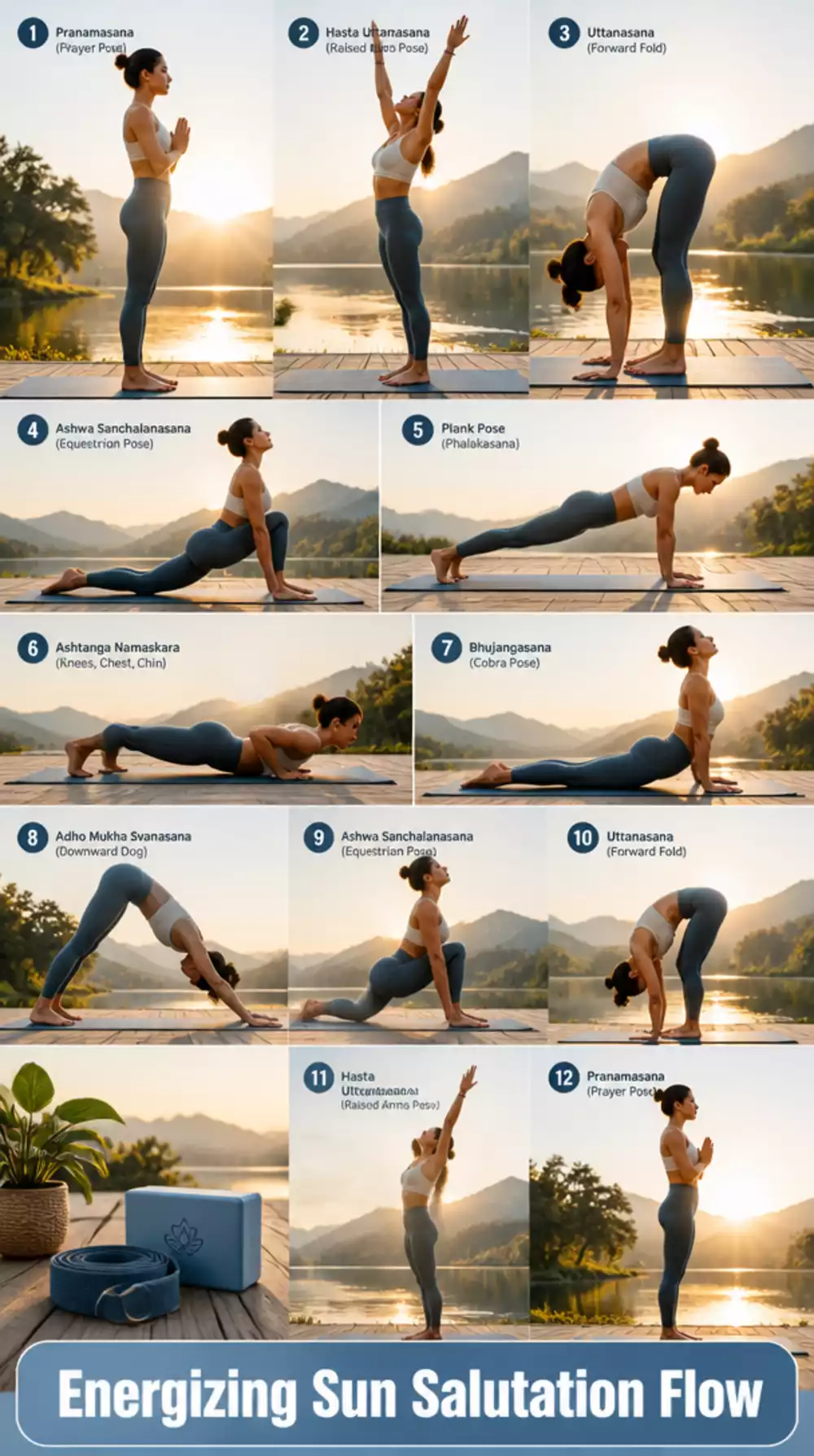
Start your day with this refreshing flow to boost your energy levels.
As an Amazon Associate I earn from qualifying purchases. Affiliate links may earn me a commission at no extra cost to you.
Why Sun Salutation Matters: The Sun Salutation is a traditional yoga sequence designed to warm up the body, enhancing flexibility and strength. Its energizing flows are excellent for reducing morning stiffness, promoting circulation, and boosting mental clarity and mood. A regular morning practice can transform your day.
What people often overlook is the importance of breath synchronization with each movement. Many rush through the poses without pausing to breathe deeply, which can diminish the flow's effectiveness. Taking a moment to connect breath with motion can significantly enhance your overall experience and benefits.
- ★Hold each pose for 3-5 breaths to maximize benefits.
- ★Use a foam yoga block for added support during challenging poses.
- ★Focus on your breath to maintain a steady flow and enhance relaxation.
⭐ Top Products for Energizing Yoga
✨ Editor's Pick
Sturdy Foam Yoga Block Set
★★★★★
Our Score: 5.0/5
Enhance your yoga practice with these blocks for better balance and flexibility.
View on Amazon →Premium Yoga Strap for Carrying Mats
★★★★½
Our Score: 4.5/5
This soft and durable strap makes it easy to transport your yoga mat.
View on Amazon →Super Soft Quick-Drying Gym Towels
★★★★☆
Our Score: 4.0/5
These towels stay dry and comfortable, perfect for an energizing morning routine.
View on Amazon →🚀 Quick Tips:
- Warm-Up First: Spend a few minutes easing into your practice to avoid stiffness.
- Synchronize Breath: Focus on inhaling and exhaling deeply with each movement in the flow.
- Modify as Needed: Use a yoga block to modify poses, ensuring stability and proper alignment.
Cat-Cow Morning Yoga Stretch That Unlocks a Stiff Spine Before Breakfast
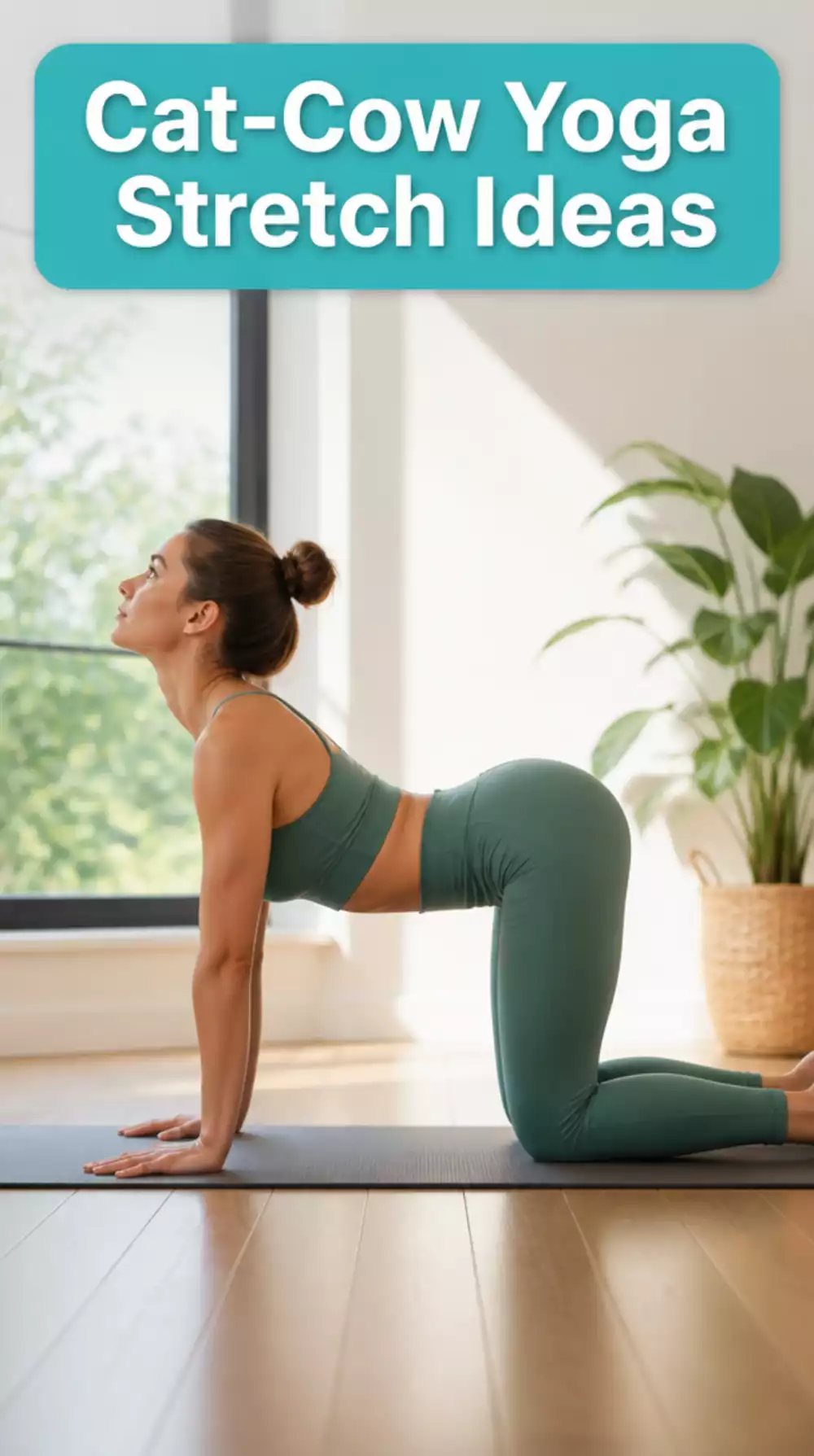
A gentle stretch to relieve morning stiffness and prepare for the day.
Understanding the Cat-Cow Stretch: This dynamic sequence is a powerful way to enhance spinal mobility and relieve tension. By alternating between arching and rounding your back, you can effectively loosen your spine after a night of sleep, promoting better posture and reducing discomfort.
Where Most People Get Stuck is in the execution of the stretch. It’s easy to collapse the lower back, which diminishes the benefits. Instead, focus on maintaining a neutral spine position throughout the movement to maximize effectiveness and avoid strain.
- ★Engage your core to support your back while transitioning between poses.
- ★Consider using the Home Gym Storage Rack with Wheels to keep your practice space organized and accessible.
- ★Avoid rushing; take your time to feel the stretch in each position.
⭐ Recommended for Cat-Cow Yoga Stretches
✨ Editor's Pick
Home Gym Storage Rack with Wheels
★★★★½
Our Score: 4.5/5
This mobile rack keeps your yoga gear organized, making it easy to access during your Cat-Cow stretches.
View on Amazon →Premium EVA Foam Yoga Blocks
★★★★☆
Our Score: 4.0/5
These durable blocks provide essential support, helping you achieve better alignment in your stretches.
View on Amazon →All in One Yoga Wheel Set
★★★★☆
Our Score: 4.0/5
This versatile wheel enhances flexibility and supports your back during Cat-Cow stretches.
View on Amazon →💡 Simple Ways to Apply It:
- Start Slow: Begin with gentle movements to gradually warm up your spine.
- Focus on Breath: Inhale deeply as you arch, exhale fully as you round your back.
- Use Props: Consider incorporating a yoga block for added support if needed.
Downward Dog Morning Yoga Pose That Lengthens the Legs and Back
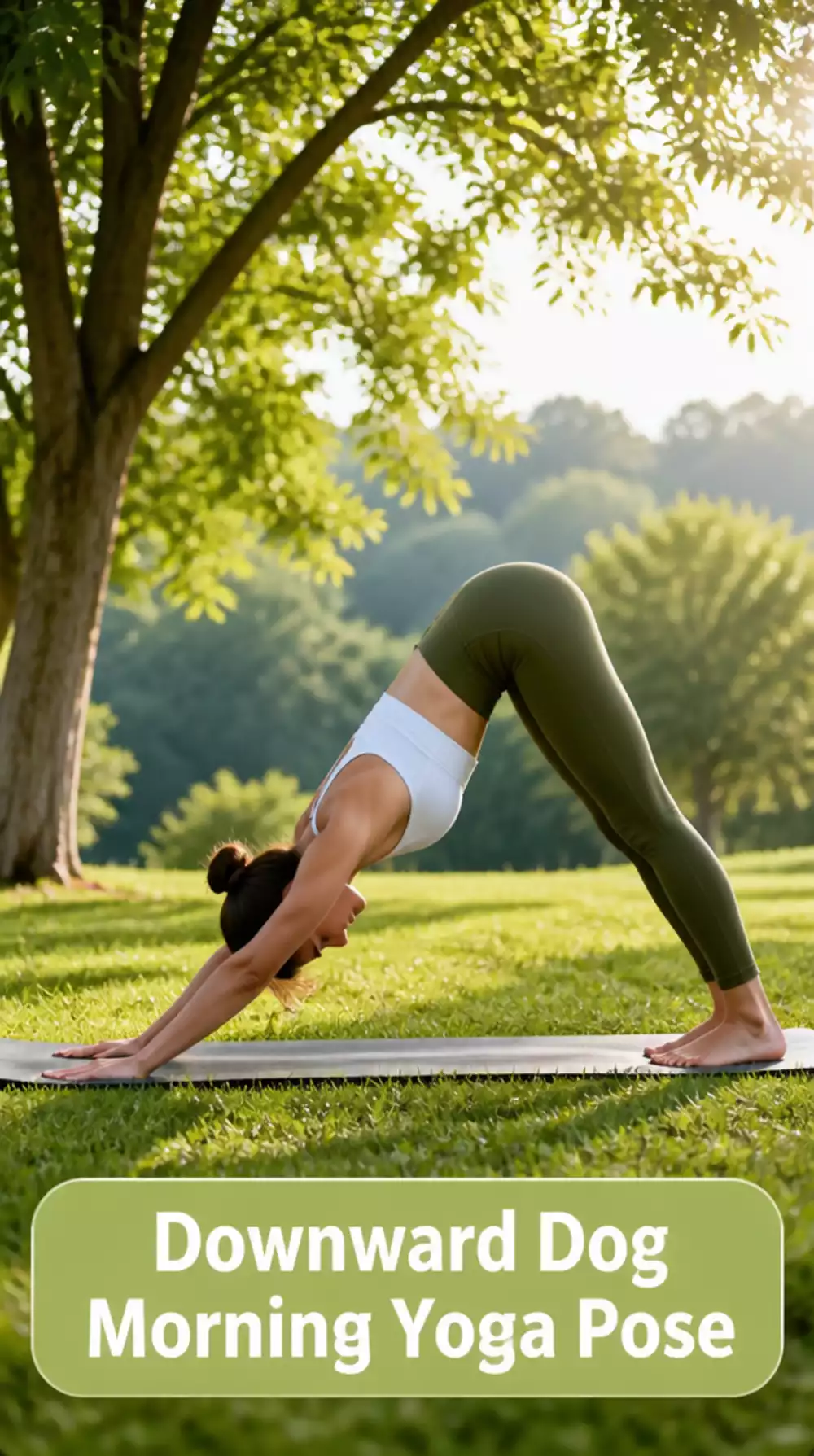
Experience lengthened muscles and increased energy with Downward Dog.
Understanding the Benefits of Downward Dog: The Downward Dog pose is a staple in yoga that effectively lengthens and strengthens your legs and back. This pose engages multiple muscle groups, enhancing circulation and boosting energy levels. By practicing it regularly, you can alleviate tightness in your hamstrings and calves, setting a revitalizing tone for your day.
Where Most People Get Stuck: Many practitioners struggle with foot positioning during the Downward Dog. Adjusting your feet to hip-width apart can help maintain stability and improve the stretch. Take a moment to find your alignment, as this adjustment can significantly enhance the effectiveness of the pose.
- ★Engage your core while holding the pose to protect your lower back.
- ★Use a wall or yoga block for support if you're just starting out.
- ★Focus on deep, even breaths while transitioning into this pose.
⭐ Best Products for Downward Dog Pose
Stability Ball and Exercise Rack
★★★★☆
Our Score: 4.0/5
Organize your yoga gear with this rack to keep your practice space tidy and efficient.
View on Amazon →Adjustable Back Posture Corrector
★★★★☆
Our Score: 4.0/5
This corrector helps maintain proper alignment in Downward Dog for better posture and support.
View on Amazon →✨ Editor's Pick
Eco Friendly Thick Yoga Mat
★★★★½
Our Score: 4.5/5
This non-slip mat provides comfort and support for a better Downward Dog experience.
View on Amazon →🚀 Quick Tips:
- Adjust Foot Position: Keep your feet hip-width apart for better stability and stretch.
- Engage Your Core: Activate your core muscles to protect your lower back while holding the pose.
- Deep Breaths: Focus on deep, even breaths to enhance relaxation and effectiveness in the pose.
Morning Yoga Block That Lets Beginners Reach the Floor Comfortably
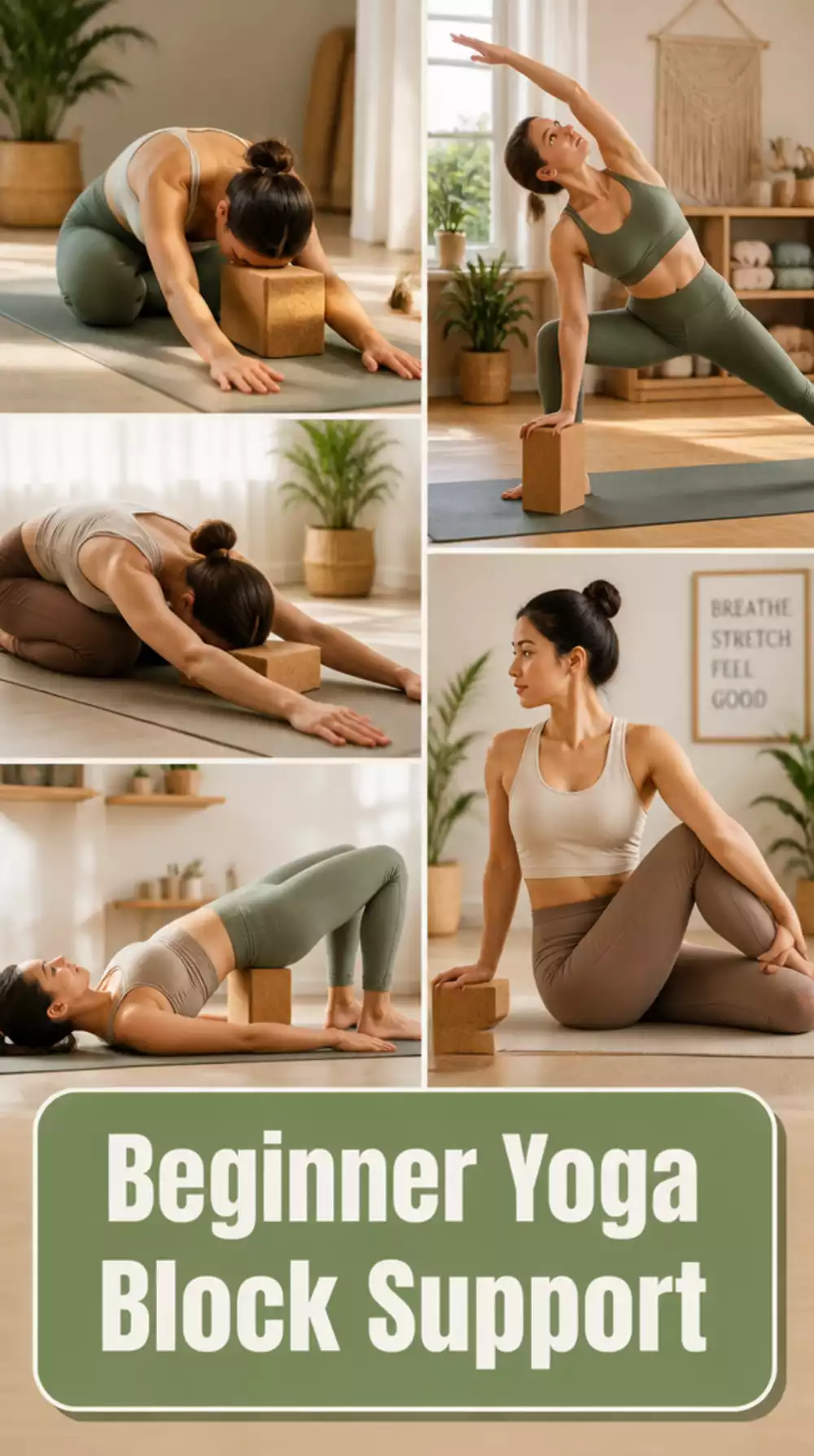
Achieve better stretches and balance with the right support.
How a Morning Yoga Block Enhances Your Practice: Yoga blocks serve as essential tools for beginners, allowing them to comfortably reach the floor and maintain proper alignment. By providing support, they enhance stability in various poses, making it easier for new yogis to build confidence and gradually improve their flexibility.
Where Most People Get Stuck: Many beginners underestimate the importance of using a yoga block, often thinking it's a sign of weakness. However, these blocks are vital for enhancing your practice, especially in poses where reaching the ground feels impossible. For instance, using a block during a forward bend can create a safe way to deepen your stretch without straining.
- ★Choose a cork yoga block for better grip and eco-friendliness.
- ★Use blocks to make challenging poses accessible and comfortable.
- ★Avoid over-relying on blocks; build strength gradually.
⭐ Top Products for Beginner Yoga
✨ Editor's Pick
Extra Large Cork Yoga Blocks
★★★★★
Our Score: 5.0/5
Cork yoga blocks provide essential stability and support for beginners in various poses.
View on Amazon →Stretching Strap for Physical Therapy
★★★★½
Our Score: 4.5/5
This stretching strap aids in achieving better flexibility and technique for beginners.
View on Amazon →Hamstring Stretcher Device Strap
★★★★☆
Our Score: 4.0/5
A hamstring stretcher helps improve leg flexibility and prevents injury during yoga.
View on Amazon →💡 Quick Tips:
- Choose the Right Size: Select a block size that feels comfortable for your reach and stability.
- Practice with Variety: Use blocks in different poses to improve your overall flexibility and confidence.
- Focus on Alignment: Ensure your body is aligned while using blocks for safe and effective stretching.
Moving through your morning yoga routine creates a foundation that’s more meaningful than rushed perfection. Every mindful breath and gentle stretch adds up in creating calm energy. Approaching this practice with patience helps it feel sustainable and enjoyable day after day.
⚡ Keep This in Mind:
- Focus on breath over speed for a deeper connection; explore breath and focus techniques.
- Warming up gently prepares your body better than jumping right into poses.
- Props support progress, but building strength comes with time and practice.
- Hydrating before practice gently energizes your body and mind for movement.
Warrior I Morning Yoga Pose That Builds Focus and Lower Body Power
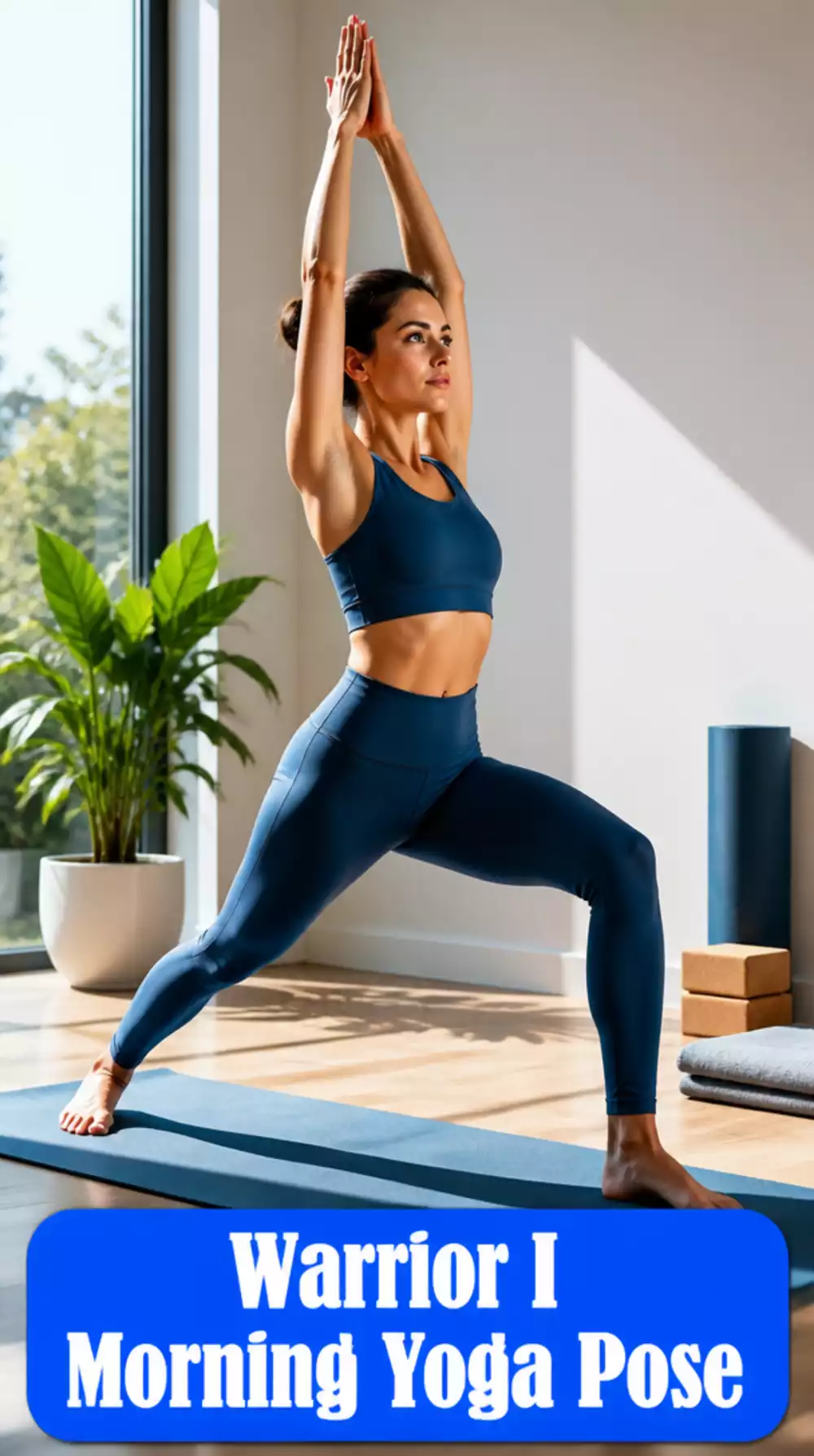
Empower your mornings with strength and focus through Warrior I.
The Power of Warrior I Pose: Warrior I is a foundational yoga position that not only builds lower body strength but also enhances your focus. This pose engages the core, opens the hips, and prepares your mind for the day ahead. Practicing Warrior I regularly can significantly improve your stability and concentration.
Where Most People Get Stuck occurs when they overlook the importance of leg positioning in Warrior I. Beginners often find themselves overextending their front knee or misaligning their hips, which can lead to strain. Focusing on maintaining a solid foundation with your legs allows for better balance and alignment, enhancing the overall effectiveness of the pose.
- ★Keep your front knee aligned over your ankle to avoid strain.
- ★Engage your core to maintain balance and focus throughout the pose.
- ★Consider using a foam yoga block for added support during practice.
⭐ Best Products for Warrior I Yoga
Triple-Layer Sponge Yoga Bolster
★★★★☆
Our Score: 4.0/5
This bolster enhances comfort and stability during Warrior I, allowing deeper focus.
View on Amazon →✨ Editor's Pick
5-Tiers Yoga Mat Holder Rack
★★★★½
Our Score: 4.5/5
This rack keeps your mats organized, promoting a dedicated Warrior I practice.
View on Amazon →Peloton Foam Yoga Block Set
★★★★☆
Our Score: 4.0/5
These foam blocks provide essential support and balance for mastering Warrior I.
View on Amazon →⚡ Key Steps to Follow:
- Align your front knee over your ankle to prevent unnecessary strain during Warrior I.
- Engage your core throughout the pose to maintain balance and enhance focus.
- Take deep breaths as you hold the pose, allowing yourself to focus on the moment and your breath.
Standing Backbend Yoga Move That Opens the Chest and Boosts Circulation
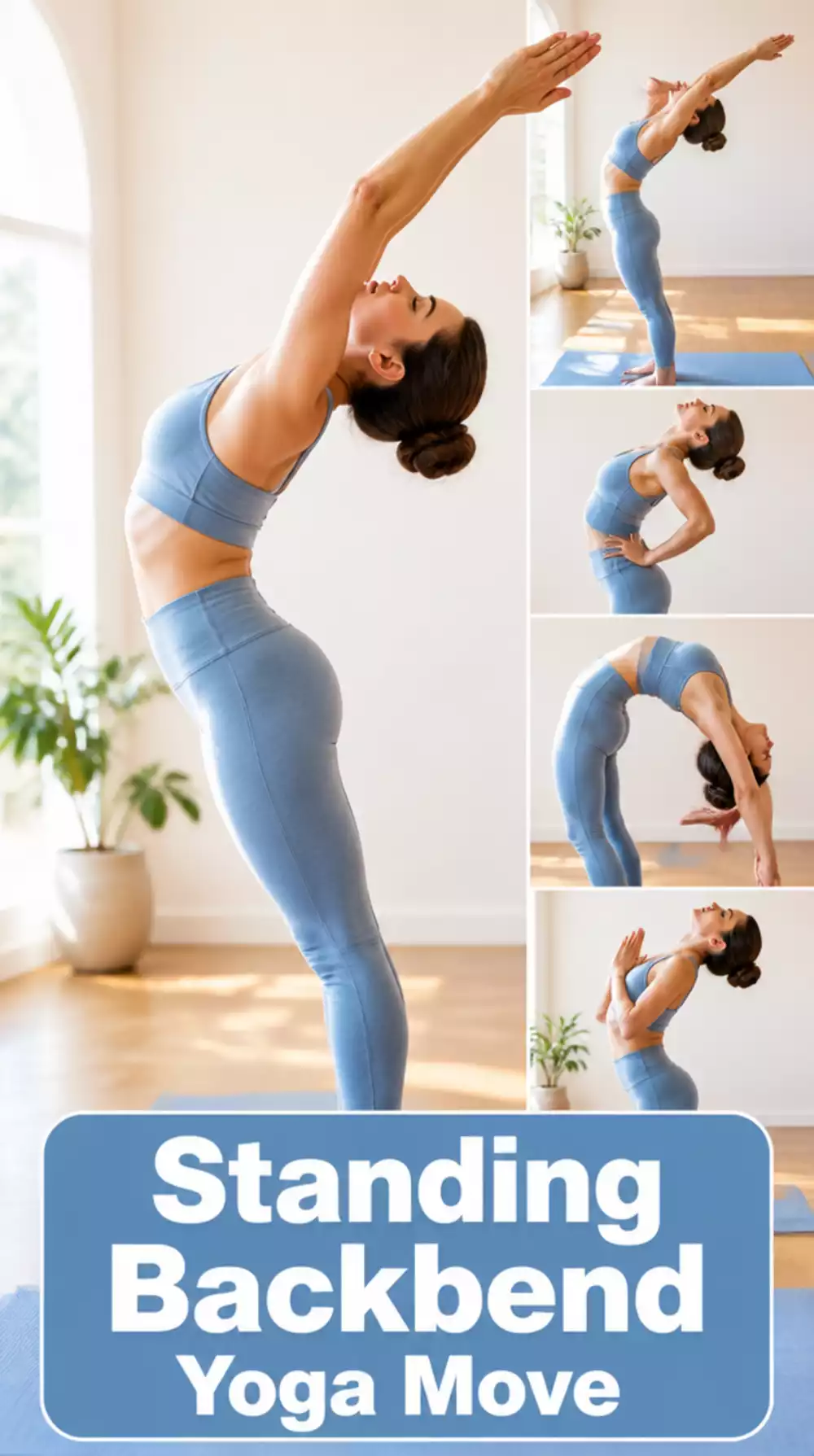
Experience a refreshing stretch that energizes your body and spirit.
Why Standing Backbends Matter: Standing backbends are essential for chest expansion, which can significantly improve respiratory function and circulation. By incorporating this move into your routine, you relieve tension, enhance mood, and promote better posture, making your morning practice more effective.
Where Most People Get Stuck: Many practitioners neglect to engage their core during backbends, which can lead to lower back strain. Remember to actively draw your belly button in towards your spine while lifting your chest. This balance not only protects your back but also enhances the effectiveness of the pose.
- ★Start with your feet hip-width apart and gently arch your back while lifting your arms overhead.
- ★Engage your core to support your lower back as you deepen the stretch.
- ★Avoid overextending your lower back; focus on opening your chest instead.
💭 Important to Remember:
Always warm up your body before attempting backbends to prevent injury. A few gentle neck and shoulder rolls can help prepare your body for the deeper stretch of a backbend.
⭐ Top Products for Backbend Yoga Moves
Hamstring Stretcher Device Strap
★★★★☆
Our Score: 4.0/5
This elastic strap aids in enhancing flexibility for effective backbends and overall balance.
View on Amazon →Triple-Layer Sponge Yoga Bolster
★★★★☆
Our Score: 4.0/5
This bolster provides supportive comfort for restorative poses during backbends and relaxation.
View on Amazon →✨ Editor's Pick
Back Roller Wheel for Pain Relief
★★★★½
Our Score: 4.5/5
The back roller helps relieve muscle tension, enhancing your backbend practice effectively.
View on Amazon →🚀 Quick Tips:
- Warm Up First: Start with gentle stretches for your shoulders and spine to prevent injury.
- Engage Your Core: Protect your lower back by actively pulling your belly button towards your spine.
- Focus on the Chest: Make chest expansion your goal to enhance the effectiveness of your backbend.
Why a Thick Yoga Mat Makes Cold-Floor Morning Practice Actually Enjoyable
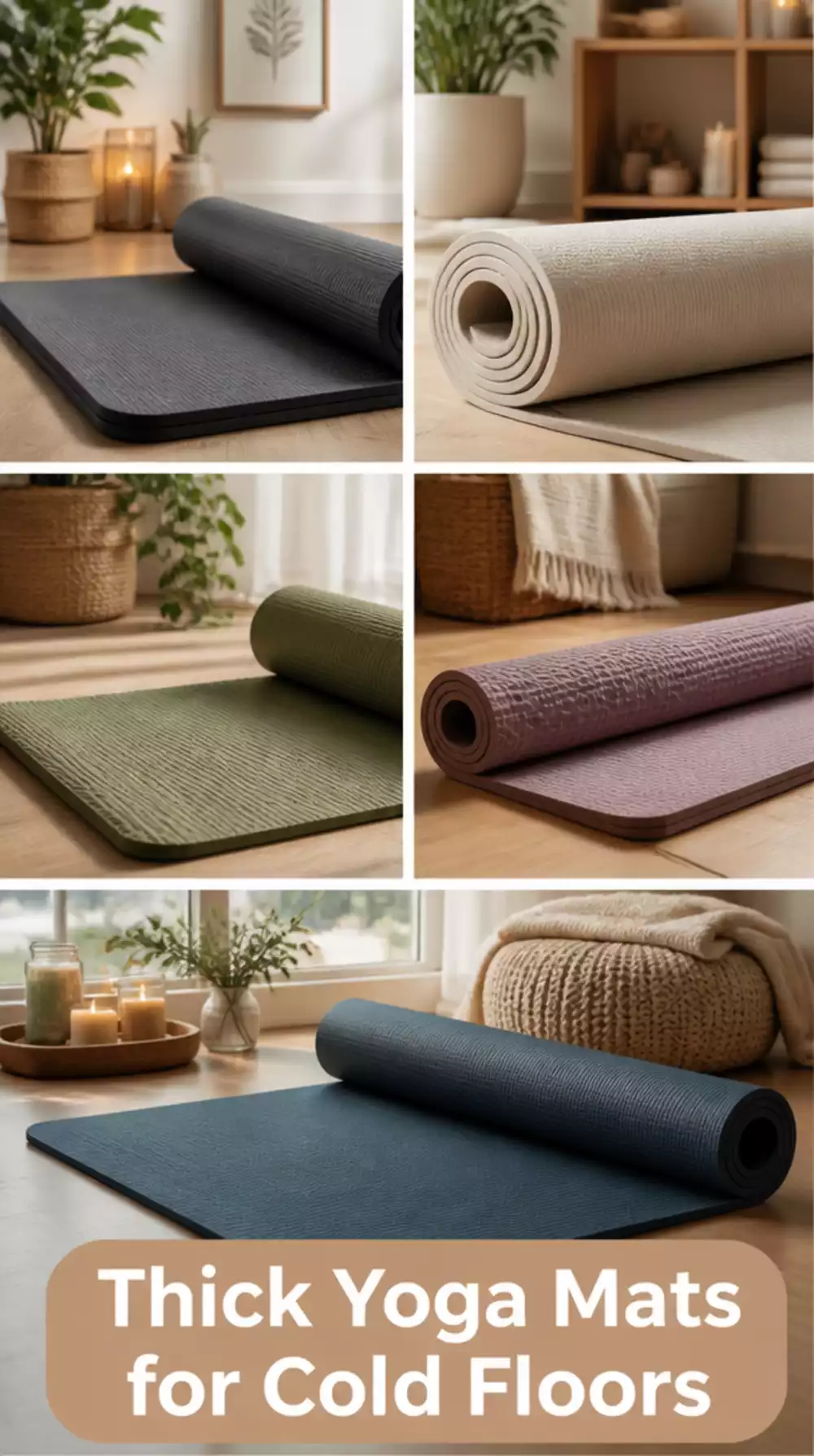
Transform your cold-floor practice into a cozy experience.
How a Thick Yoga Mat Enhances Your Practice: Practicing yoga on a cold, hard floor can be uncomfortable, often leading to distractions. A thick yoga mat provides essential cushioning and insulation, making your morning routine not just bearable but enjoyable. With proper support, you can focus on your flow without the unpleasant chill or pressure on your joints.
What People Rarely Consider is the impact of mat thickness on performance. Many yogis overlook how a thin mat can lead to discomfort and hinder their practice. Choosing a mat that combines the right thickness with good grip is crucial; it ensures your sessions are both effective and comfortable.
- ★Opt for a yoga mat with at least 1/4 inch thickness for comfort on cold surfaces.
- ★Regularly clean your mat to maintain its grip and durability for longer use.
- ★Consider your height and weight when choosing mat thickness for optimal support.
⭐ Best Thick Yoga Mats for Practice
✨ Editor's Pick
Eco Friendly Thick Yoga Mat
★★★★½
Our Score: 4.5/5
Enjoy cushioning and warmth on cold floors with this eco-friendly mat for your morning yoga.
View on Amazon →Extra Large Non-Slip Exercise Mat
★★★★☆
Our Score: 4.0/5
A larger mat offers ample space for diverse movements, enhancing your yoga sessions.
View on Amazon →Extra Thick Comfortable Non-Slip Mat
★★★★☆
Our Score: 4.0/5
Benefit from maximum support with this extra thick mat, ideal for sensitive joints.
View on Amazon →💡 Quick Tips:
- Choose a mat: Opt for at least 1/4 inch thickness for added comfort.
- Keep it clean: Regularly wash your mat to maintain grip and durability.
- Consider your needs: Select mat thickness based on your height and weight for optimal support.
You now have seven empowering ways to energize your mornings with yoga. Start with what feels manageable, and remember that even small adjustments can lead to meaningful improvements in your routine.
As you embrace these practices, you’ll notice how each thoughtful pose contributes to your overall well-being and vitality. Small, intentional changes add up, transforming your mornings into a refreshing ritual of energy and focus.
Lara V. Hargrove
Lara V. Hargrove is a passionate yoga enthusiast and wellness advocate dedicated to helping individuals cultivate mindful home yoga practices. With years of experience as a yoga practitioner and a deep understanding of yoga philosophy, Lara shares her insights and expertise through thoughtful reviews and practical guides. She believes in the transformative power of yoga and is committed to helping others create harmonious spaces for their practice.