Daily Yoga for Runners That Reduces Injury Risk
For runners, tight muscles and the risk of injury can be constant companions. By incorporating daily yoga, you can significantly enhance your flexibility and speed up recovery. Let’s dive into these essential poses that every runner should incorporate.
Low Lunge Yoga Pose for Runners That Stretches Tight Hip Flexors After Miles
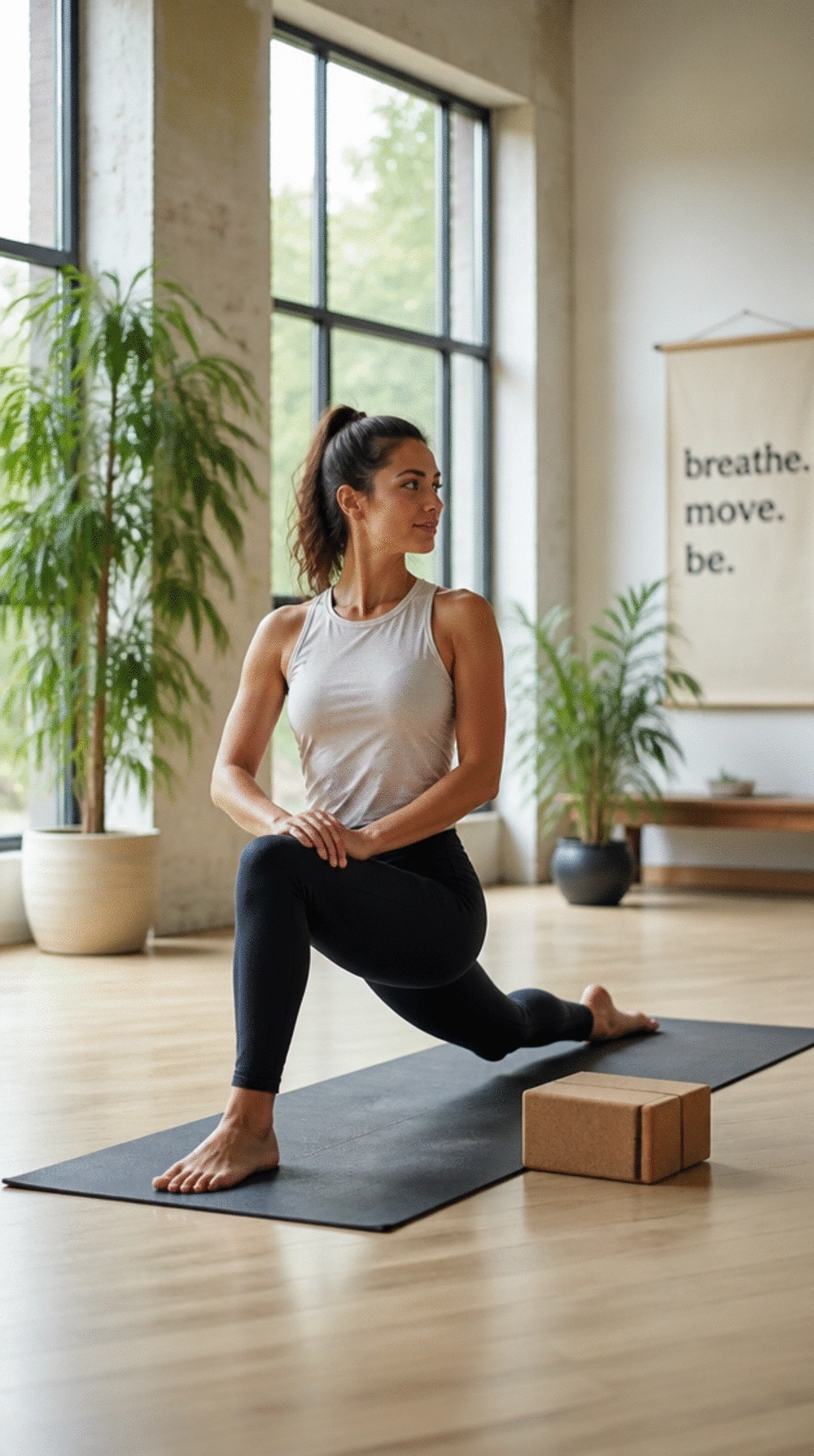
Unlock your running potential by stretching tight hip flexors daily.
As an Amazon Associate I earn from qualifying purchases. Affiliate links may earn me a commission at no extra cost to you.
How the Low Lunge Yoga Pose Benefits Runners: The Low Lunge Pose is fantastic for stretching tight hip flexors, which can become stiff from excessive running. By sinking into this pose and holding it, you enhance your hip flexibility and prevent injuries that could derail your training.
What Many Runners Overlook: After a run, many athletes skip deep stretches, thinking quick cooldowns suffice. Yet, by not giving your hip flexors the attention they need, you're inviting tightness and potential injuries. For instance, a simple 30-second hold in a Low Lunge can change how you feel on your next run.
- ★Focus on maintaining a straight back while lunging to prevent strain.
- ★Use yoga blocks to deepen the stretch and provide stability.
- ★Incorporate deep breathing to relax your muscles further during the pose.
⭐ Top Products for Stretching Tight Hip Flexors
✨ Editor's Pick
Yoga Blocks for Stretching and Meditation
★★★★½
Our Score: 4.5/5
Essential for improving flexibility and achieving deeper stretches in yoga poses.
View on Amazon →Stretching Strap with Loops for Yoga
★★★★☆
Our Score: 4.0/5
This strap enhances muscle flexibility and assists in achieving deeper stretches safely.
View on Amazon →Resistance Bands Set for Home Workouts
★★★★☆
Our Score: 4.0/5
Perfect for resistance training and improving flexibility during yoga sessions.
View on Amazon →📋 Quick Tips:
- Hold the pose: Aim for 30 seconds to feel a deeper stretch and benefit.
- Focus on alignment: Keep your front knee aligned over your ankle to avoid strain.
- Use props: Incorporate yoga blocks for support and to enhance your stretch safely.
Reclined Figure-Four Yoga Stretch That Releases Runner's Hip and Glute Tightness
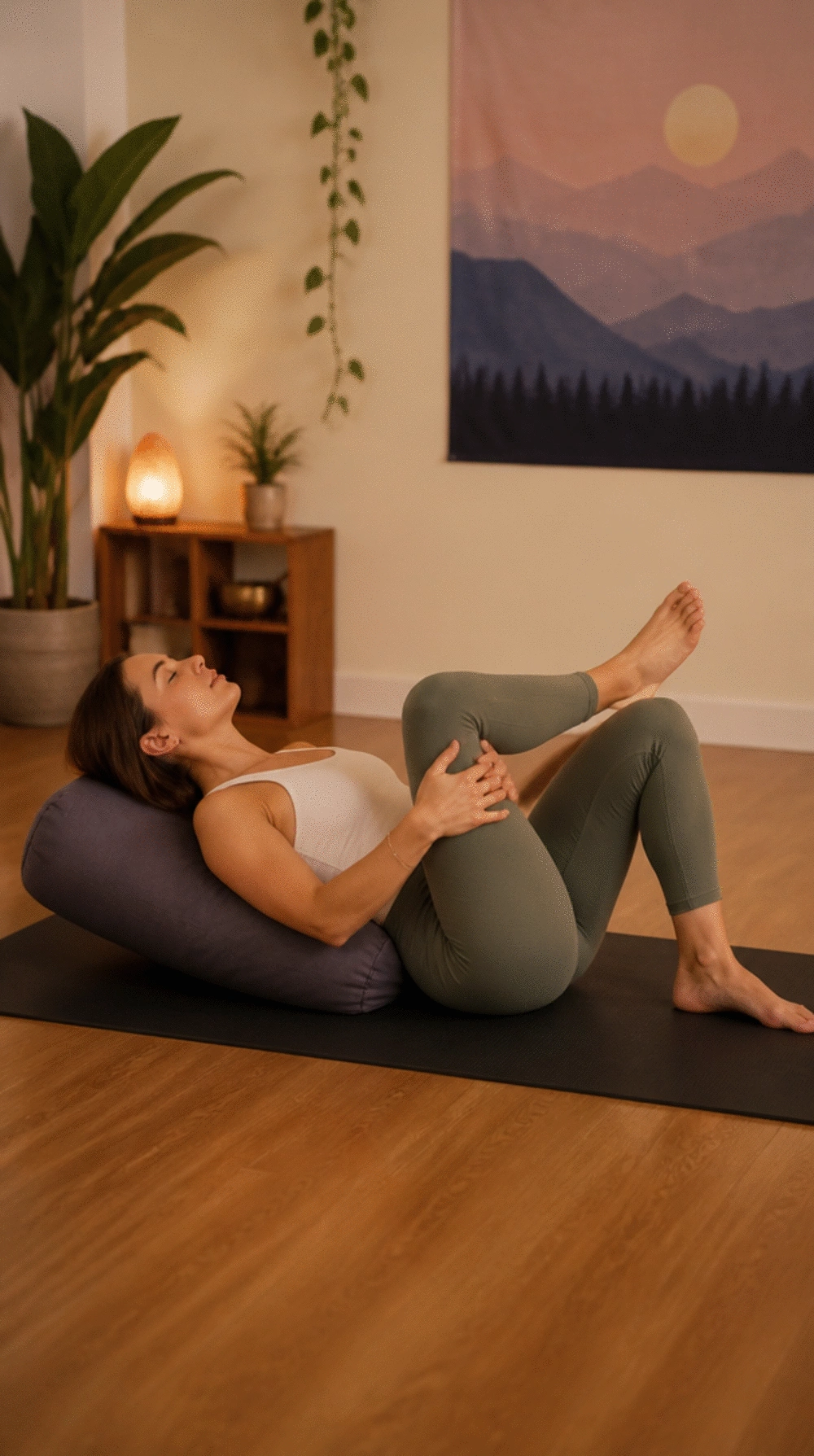
Unlock hip and glute tension for smoother runs and faster recovery.
How the Reclined Figure-Four Stretch Helps You: After a long run, your hips and glutes may feel sore and tight. The Reclined Figure-Four stretch targets these areas, releasing muscle tension and promoting recovery. This pose encourages relaxation and helps maintain proper alignment, ensuring a more efficient running form. To maximize the stretch, try using a bolster or pillow for added comfort.
What Often Gets Overlooked is the importance of relaxing your upper body while performing this stretch. Many runners focus solely on the leg positioning and forget to breathe deeply, which can limit the effectiveness of the stretch. For instance, letting go of tension in your shoulders can enhance the overall release in your hips and glutes.
- ★Use a yoga bolster for extra support and comfort during the stretch.
- ★Focus on deep, even breathing to deepen the stretch and enhance relaxation.
- ★Avoid tensing your shoulders; keep them relaxed for a more effective release.
⭐ Recommended for Releasing Hip and Glute Tightness
✨ Editor's Pick
Heavy Duty Yoga Mat Storage Rack
★★★★★
Our Score: 5.0/5
Organizing your yoga gear ensures you have everything you need for effective stretching.
View on Amazon →Yoga Bolster Pillow for Comfort and Support
★★★★½
Our Score: 4.5/5
This bolster provides excellent support, enhancing the comfort of your figure-four stretches.
View on Amazon →5-Tier Yoga Mat Holder for Organization
★★★★☆
Our Score: 4.0/5
A great way to keep your yoga accessories organized for quick access during stretches.
View on Amazon →🚀 Quick Tips:
- Use a bolster: Elevate your experience by placing a yoga bolster under your back for support.
- Focus on breathing: Deep, steady breaths will enhance relaxation and deepen your stretch.
- Stay aware of tension: Keep your shoulders relaxed to maximize the release of hip and glute tightness.
Seated Forward Fold Yoga Pose for Runners That Lengthens Overtight Hamstrings
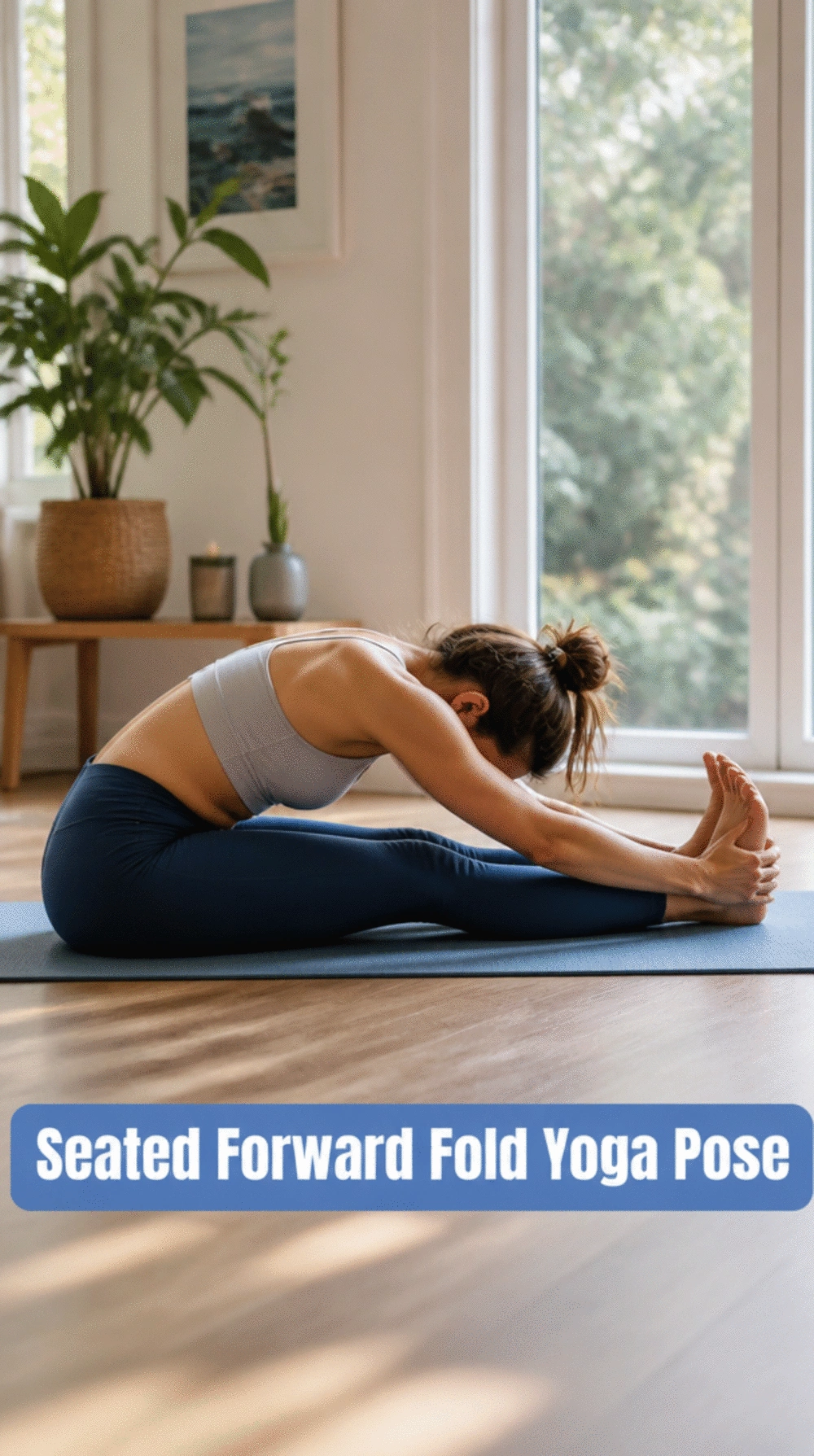
Unlock hamstring flexibility and enhance your running performance today.
Why the Seated Forward Fold Matters for Runners: This pose effectively stretches and lengthens the hamstrings, muscles often left tight after long runs. By promoting flexibility, you can reduce injury risks while maintaining optimal running form. Aim to feel the stretch throughout the back of your legs, keeping your spine long and relaxed.
Where Most People Get Stuck: Many runners struggle with maintaining proper alignment during the Seated Forward Fold, often rounding their backs instead of reaching forward. This can limit the effectiveness of the stretch. Instead, focus on hinging at the hips and leading with your chest to deepen the stretch safely.
- ★Use a yoga wheel to support your back while folding deeper into the stretch.
- ★Consider using a yoga strap to grab your feet if you can't reach them easily.
- ★Focus on keeping your breath steady, inhaling to lengthen and exhaling to deepen the stretch.
⭐ Best Products for Lengthening Hamstrings
✨ Editor's Pick
Heavy Duty Yoga Mat Holder for Storage
★★★★★
Our Score: 5.0/5
Keep your yoga gear organized with this durable holder, enhancing your hamstring stretch routine.
View on Amazon →Yoga Wheel Set for Flexibility and Support
★★★★½
Our Score: 4.5/5
Use this yoga wheel to improve flexibility and enhance your hamstring stretches effectively.
View on Amazon →3 Tiers Workout Equipment Organizer
★★★★☆
Our Score: 4.0/5
This workout organizer keeps your space tidy, aiding your hamstring stretching routine.
View on Amazon →🚀 Quick Tips:
- Maintain Proper Alignment: Keep your spine straight to maximize the stretch’s effectiveness.
- Use Your Breath: Inhale to lengthen your spine, exhale to deepen the fold gently.
- Incorporate a Strap: Use a yoga strap if you can’t reach your feet easily for added support.
Standing Calf Stretch Yoga Wall Move That Prevents Plantar Fasciitis in Runners
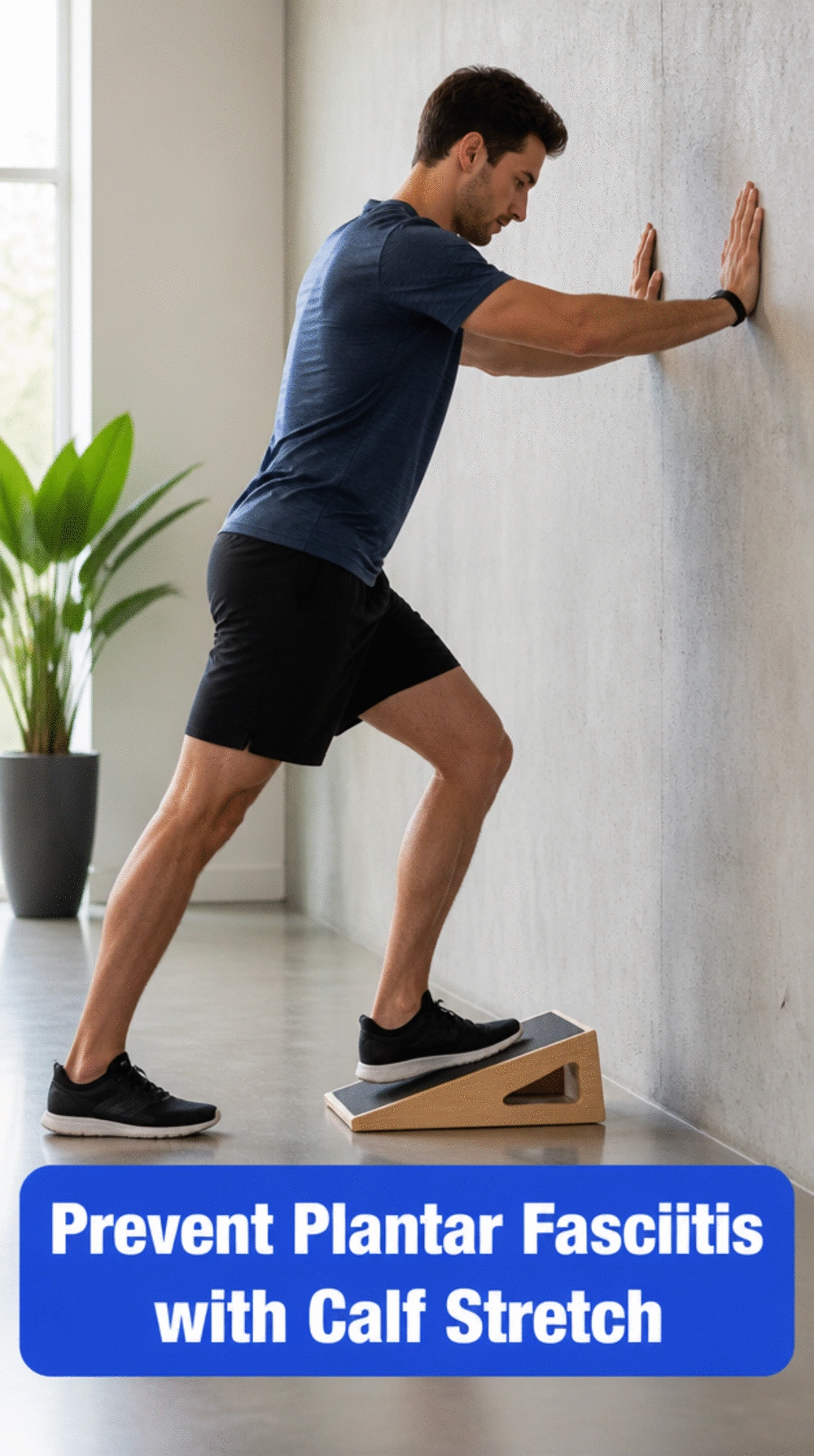
Unlock flexibility and prevent injuries with effective calf stretches.
How Standing Calf Stretch Helps You: This movement is crucial for targeting the gastrocnemius and soleus muscles, which often tighten from running. Regularly incorporating the Standing Calf Stretch can significantly reduce your risk of developing issues like plantar fasciitis, ensuring proper foot and ankle health throughout your runs.
Where Most People Get Stuck: Many runners forget to stretch their calves because they focus on larger muscle groups like quads and hamstrings. This neglect can lead to tightness and pain in the lower legs. For instance, if you only stretch after long runs, your calves might remain tight and contribute to overall discomfort over time.
- ★Position your foot flat against the wall, leaning forward to deepen the stretch.
- ★Consider using a heavy-duty wooden slant board for more effective stretching.
- ★Hold each stretch for at least 30 seconds and breathe deeply to relax the muscles.
⭐ Top Products for Preventing Plantar Fasciitis
✨ Editor's Pick
Heavy-Duty Wooden Slant Board for Stretching
★★★★½
Our Score: 4.5/5
This slant board enhances calf stretches and prevents injuries, ideal for runners.
View on Amazon →Yoga Mat Storage Rack for Organizing Gear
★★★★
Our Score: 4.0/5
This rack keeps workout gear organized, ensuring easy access for stretches.
View on Amazon →Foam Roller for Muscle Recovery
★★★★☆
Our Score: 4.0/5
The foam roller aids muscle recovery, crucial for post-run care and stiffness relief.
View on Amazon →🌟 Quick Tips:
- Stretch Daily: Incorporate calf stretches into your routine to prevent tightness and injuries.
- Use a Slant Board: Elevate your feet on a slant board to deepen your calf stretches effectively.
- Breathe Deeply: Focus on slow, deep breaths while stretching to help relax your muscles.
You're making excellent progress in understanding how to keep your runner's body feeling great. Each small step toward flexibility and recovery you take is a win. It’s all about building sustainable habits that support your passion for running, not striving for instant perfection.
🌟 What Helps Most:
- Consistency is key to seeing lasting benefits.
- Explore affordable yoga props to deepen your practice.
- Listen to your body and never force a stretch.
- Remember that every stride you take is supported by your self-care.
IT Band Yoga Stretch in a Standing Cross-Legged Fold That Runners Need Daily
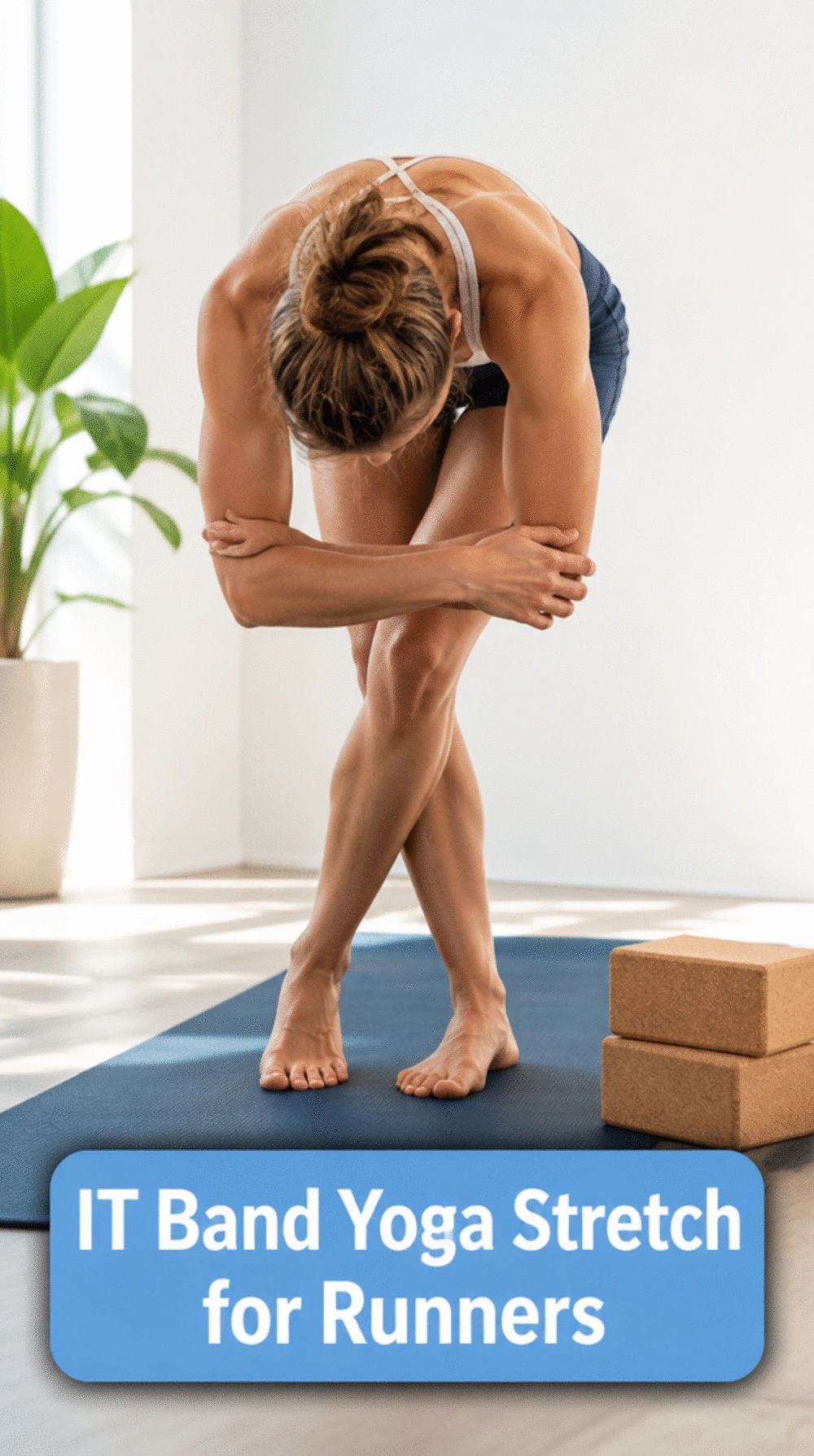
Enhance your flexibility and prevent knee pain daily.
Understanding the IT Band Yoga Stretch: This standing cross-legged fold is essential for runners, targeting the IT band to help prevent knee pain. Regular stretching of this area enhances your overall leg health and performance. Aim to hold the pose for several breaths, allowing for a deeper release in tight areas.
Where Most People Get Stuck: Many runners overlook the importance of stretching the IT band, often focusing solely on their quads and hamstrings. This can lead to imbalances and increased risk of injuries. Incorporating this stretch into your daily routine can significantly alleviate discomfort and improve mobility.
- ★Position your feet hip-width apart to maintain stability during the stretch.
- ★Use cork yoga blocks for added support if you're struggling to maintain balance.
- ★Focus on your breath; exhale deeply to enhance the stretch.
⭐ Our Picks for Daily IT Band Stretches
Cork Yoga Blocks Set for Stability
★★★★
Our Score: 4.0/5
These cork blocks provide stability to enhance your IT band stretches effectively.
View on Amazon →✨ Editor's Pick
Heavy Duty Yoga Mat Holder with Hooks
★★★★★
Our Score: 5.0/5
This mat holder ensures your equipment is organized and ready for daily IT band stretches.
View on Amazon →Resistance Bands Set for Versatile Workouts
★★★★
Our Score: 4.0/5
These resistance bands can enhance your IT band stretches with varied resistance levels.
View on Amazon →🚀 Quick Tips:
- Practice daily: Consistency is key for unlocking IT band flexibility and reducing pain.
- Start slow: Ease into the stretch to prevent straining your muscles.
- Focus on breathing: Deep breaths help relax your body, enhancing the effectiveness of the stretch.
Yoga Strap for Runner Stretches That Deepens Hamstring Work Without Bending Over
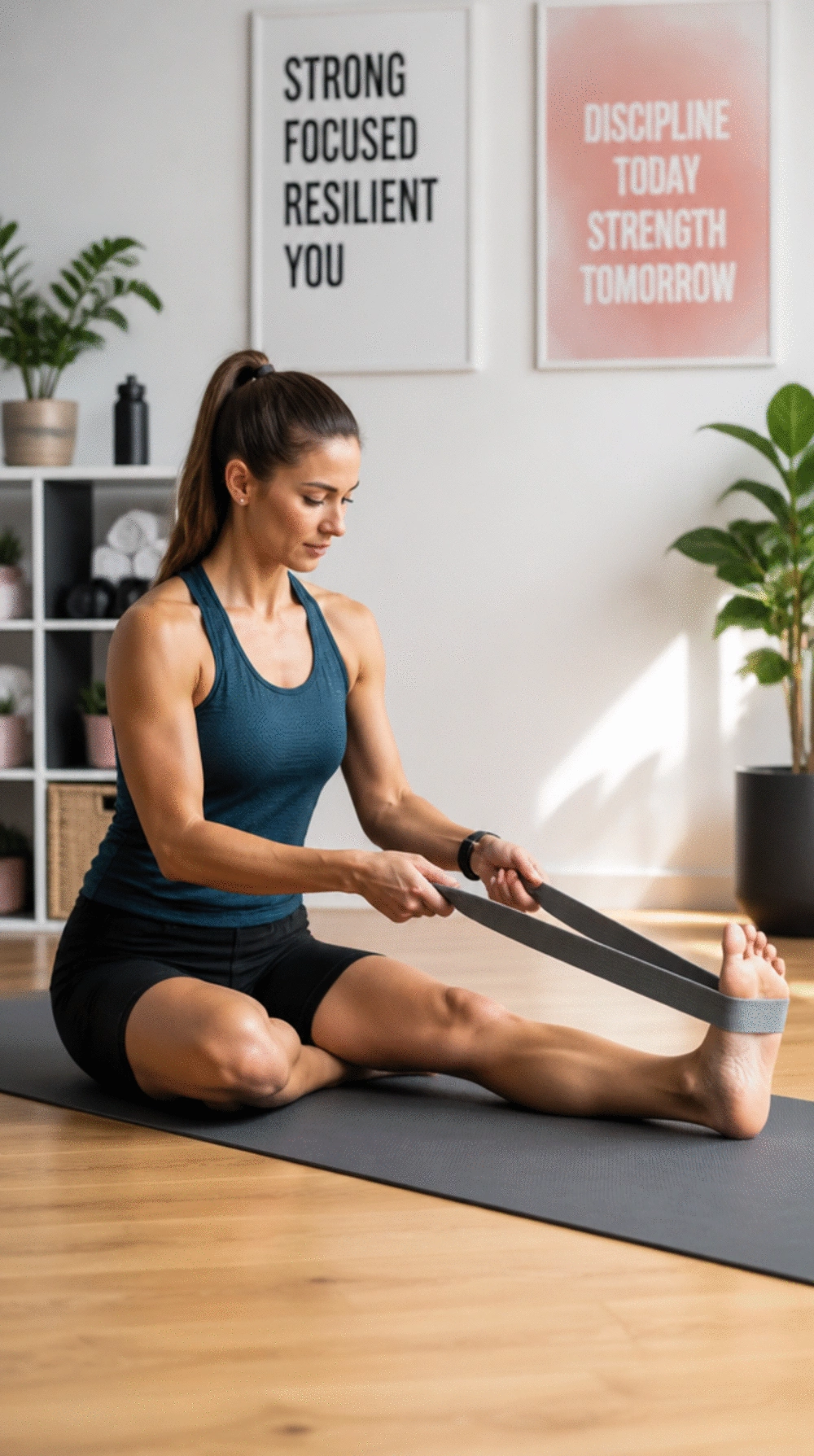
Enhance your hamstring stretches effortlessly with a yoga strap!
How a Yoga Strap Enhances Hamstring Stretches: Struggling to reach your toes for that hamstring stretch? A yoga strap can assist in deepening stretches and improve flexibility without straining your back. This versatile tool not only targets hamstrings but can elevate various poses, allowing you to maintain proper alignment while maximizing your stretch efforts.
A common oversight is not using a strap effectively. Many runners try to force flexibility without the proper support, leading to strain. For instance, instead of pulling too hard, focus on maintaining a steady stretch while using the strap to guide your movements for better results.
- ★Incorporate a yoga strap into your hamstring stretches to enhance flexibility.
- ★Use the strap to avoid overextending and reduce the risk of injury.
- ★Start with gentle pulls and gradually increase stretch intensity as flexibility improves.
💭 Important to Remember:
Many runners overlook the importance of using supportive tools like a yoga strap. This can lead to missed opportunities for deepening stretches safely and effectively, so don’t hesitate to make it a staple in your routine!
⭐ Best Accessories for Deepening Hamstring Stretches
Resistance Bands for Home Workouts
★★★★
Our Score: 4.0/5
Enhance your stretching routine with versatile resistance bands that deepen your hamstring work.
View on Amazon →Balance Board for Stability and Core Strength
★★★★
Our Score: 4.0/5
Improve your core strength and balance with this effective tool for enhanced performance.
View on Amazon →✨ Editor's Pick
Adjustable Yoga Mat Carrier for Convenience
★★★★★
Our Score: 5.0/5
This adjustable carrier makes it easy to transport your mat and enhance your practice.
View on Amazon →🚀 Your Quick Start Guide:
- Start slow: Begin with gentle stretches to avoid overstraining your muscles.
- Maintain alignment: Use the strap to keep your back straight while stretching.
- Experiment with variations: Adjust the strap's length to find the stretch that feels best for you.
The Foam Roller That Pairs with Yoga Poses to Speed Up Muscle Recovery Faster
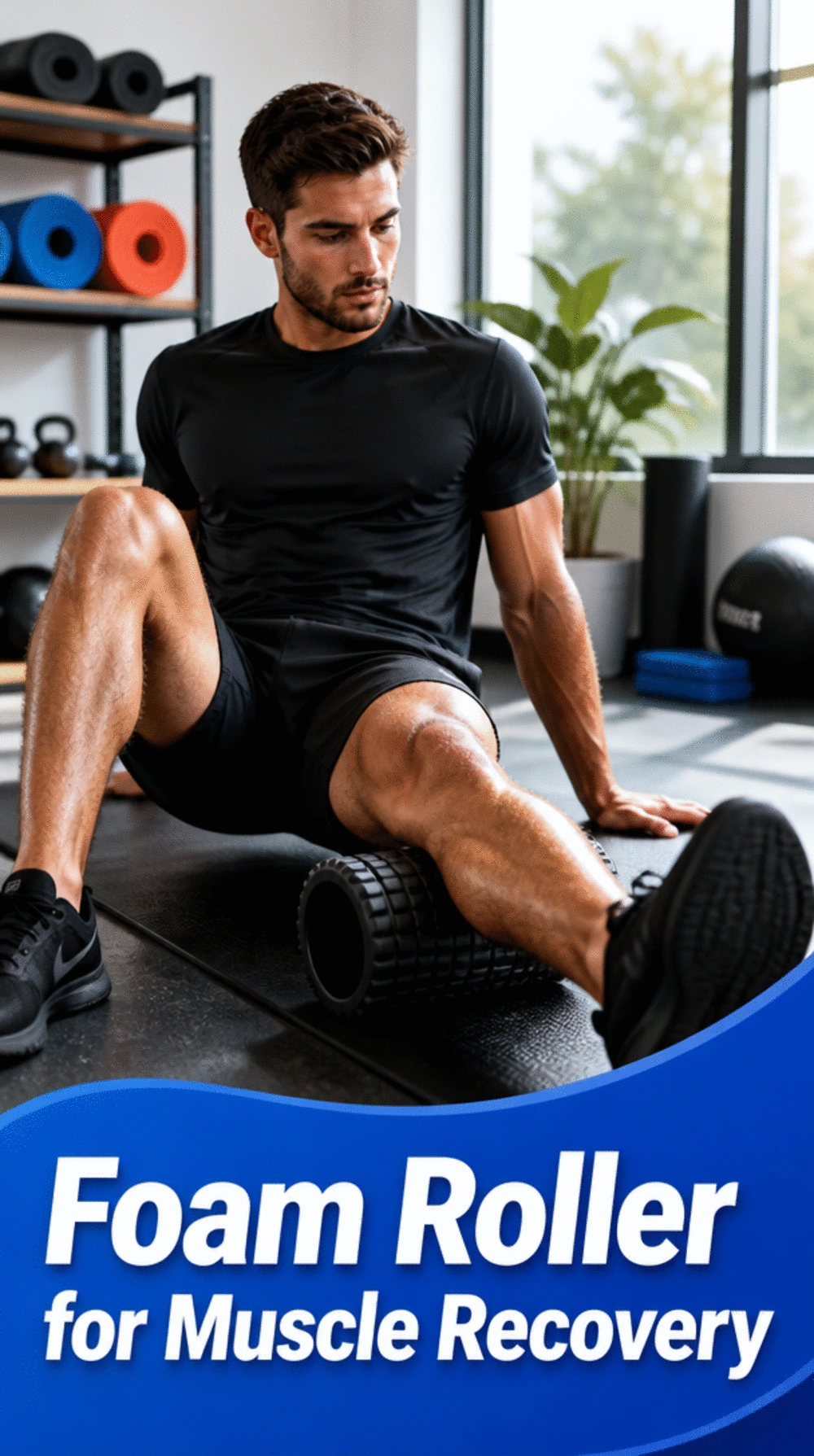
Enhance your recovery routine with effective foam rolling techniques.
The Importance of Foam Rolling for Recovery: Are you using foam rolling to complement your yoga practice? Incorporating a foam roller into your routine can significantly enhance recovery by alleviating muscle tension and improving blood circulation. This tool is perfect for rolling out tight areas after your yoga sessions, helping to prevent soreness and maintain flexibility.
A common mistake many runners make is neglecting the timing of foam rolling. It’s often overlooked how beneficial it is to roll out muscles post-run, especially after yoga. For example, if you’ve just completed a session of yoga to stretch, following it up with foam rolling can help address any lingering tightness that may not have been fully resolved during stretching.
- ★Focus on rolling major muscle groups like calves, hamstrings, and quads.
- ★Incorporate foam rolling after each yoga session for maximum recovery benefits.
- ★Don’t rush—spend extra time on areas that feel particularly tight or sore.
⭐ Top Products for Muscle Recovery After Workouts
✨ Editor's Pick
Home Gym Storage Organizer with Wheels
★★★★½
Our Score: 4.5/5
This organizer keeps your recovery tools easily accessible after workouts, enhancing your routine.
View on Amazon →Pro-Tec Orb Massage Balls for Recovery
★★★★
Our Score: 4.0/5
These balls offer targeted relief to alleviate muscle tightness, aiding your recovery routine.
View on Amazon →Heavy Duty Yoga Mat Holder for Storage
★★★★
Our Score: 4.0/5
This holder helps in organizing your mats and tools, making recovery seamless.
View on Amazon →🚀 Quick Tips:
- Roll post-yoga: Foam roll immediately after yoga for optimal muscle recovery.
- Focus on sore spots: Spend extra time on areas that feel tight or sore.
- Timing matters: Use foam rolling as part of your cooldown routine after running.
You now have seven practical ways to integrate yoga into your running routine, enhancing both performance and recovery. Start with what feels manageable and embrace the journey toward better flexibility and injury prevention.
Each step you take towards incorporating these practices can lead to a more resilient and capable body. *Trust in the gentle progress you’ll make as you nurture your running experience through mindful movement*.

Lara V. Hargrove
Lara V. Hargrove is a passionate yoga enthusiast and wellness advocate dedicated to helping individuals cultivate mindful home yoga practices. With years of experience as a yoga practitioner and a deep understanding of yoga philosophy, Lara shares her insights and expertise through thoughtful reviews and practical guides. She believes in the transformative power of yoga and is committed to helping others create harmonious spaces for their practice.