Strengthening Yoga Poses for Athletes That Improve Performance and Prevent Injury
Athletes often struggle with tight muscles and injury risks that can hinder performance. Incorporating yoga into your routine can help alleviate these issues effectively. Here are 7 transformative poses tailored specifically for athletes, starting with the Pigeon Pose to target those pesky hip flexors and IT band.
Pigeon Pose Yoga Stretch for Athletes That Fixes Tight Hip Flexors and IT Band
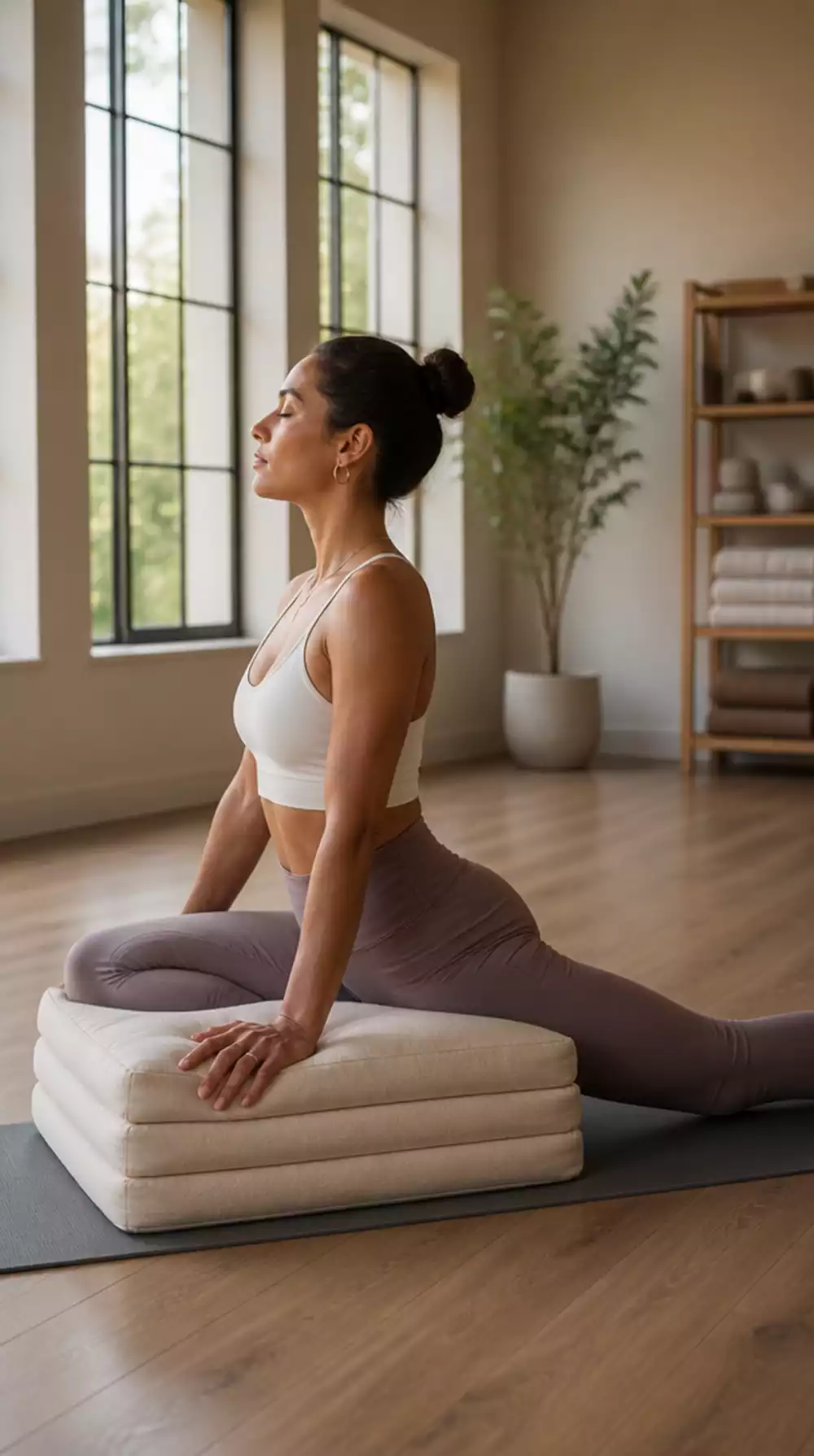
Unlock better performance by enhancing hip flexibility with Pigeon Pose.
As an Amazon Associate I earn from qualifying purchases. Affiliate links may earn me a commission at no extra cost to you.
How Pigeon Pose Benefits Athletes: Pigeon Pose is a game-changer for athletes, especially runners who often suffer from tight hip flexors and IT band discomfort. This pose effectively promotes flexibility, allowing for deeper stretches that target the hip flexor and glute muscles, essential for improved mobility and injury prevention.
One common detail athletes overlook is the importance of not forcing the stretch too quickly. Many jump right into deepening their stretch, risking strain. Instead, gradually easing into the position allows the body to adapt, enhancing the effectiveness of the pose while minimizing the risk of injury.
- ★Use a triple-layer yoga bolster for extra support during Pigeon Pose.
- ★Make sure to keep your hips square to prevent strain on your lower back.
- ★Don’t rush the stretch; hold it for at least 30 seconds to truly benefit.
⭐ Top Products for Pigeon Pose Yoga
✨ Editor's Pick
Triple-Layer Yoga Bolster Pillow
★★★★½
Our Score: 4.5/5
This bolster pillow provides essential support for deep stretches like Pigeon Pose, enhancing comfort during practice.
View on Amazon →Non-Slip Yoga Knee Pad
★★★★½
Our Score: 4.7/5
This knee pad offers cushioning, ensuring comfort during prolonged poses like Pigeon Pose.
View on Amazon →Non-Slip Yoga Mat with Alignment
★★★★
Our Score: 4.6/5
This yoga mat ensures stability for practicing Pigeon Pose with an alignment guide for better form.
View on Amazon →💡 Quick Tips:
- Start Slowly: Ease into Pigeon Pose to let your body adjust without strain.
- Use a Bolster: A triple-layer yoga bolster provides support, making the stretch more comfortable.
- Square Your Hips: Keep your hips aligned to avoid tension in your back during the pose.
Downward Dog Yoga Hold for Athletes That Lengthens Calf and Hamstring Tightness
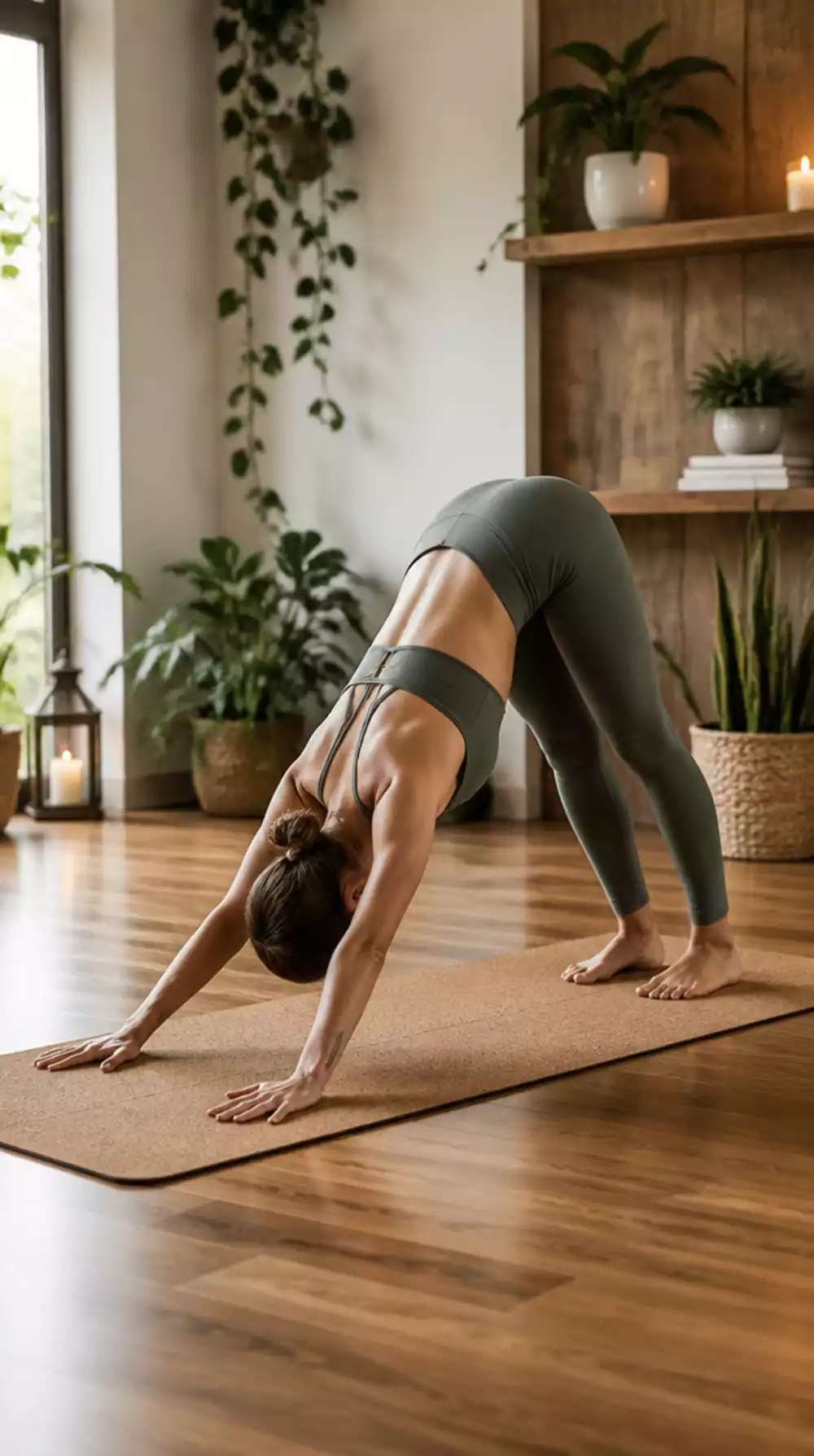
Experience the deep stretch and relief from tightness in your calves and hamstrings.
How Downward Dog Benefits Athletes: This essential pose effectively stretches the calves and hamstrings while engaging the entire body. By promoting flexibility and encouraging proper alignment, Downward Dog helps athletes counteract tightness that can hinder performance and increase the risk of injury.
Where Most People Get Stuck: Many athletes neglect core engagement during Downward Dog, which can lead to poor alignment and ineffective stretching. Focusing on the core stabilizes the body, allowing for a fuller stretch in the hamstrings and calves. Remember, the goal is a long, extended line from hands to feet, not just to get into the pose!
- ★Maintain a neutral spine by engaging your core throughout the pose.
- ★Consider using an eco-friendly non-slip yoga mat for better grip and stability.
- ★Avoid overextending the heels; focus on lengthening through the spine first.
⭐ Top Products for Downward Dog Yoga
Yoga Wheel Storage Rack
★★★★
Our Score: 4.5/5
Organize yoga wheels efficiently, keeping your space tidy and ready for practice.
View on Amazon →✨ Editor's Pick
Eco-Friendly Non-Slip Yoga Mat
★★★★½
Our Score: 4.5/5
This mat offers excellent grip and stability, ensuring a comfortable Downward Dog practice.
View on Amazon →Ultralight Ankle Brace
★★★★½
Our Score: 4.5/5
This brace provides support and stability for your ankles during weight-bearing poses.
View on Amazon →🚀 Quick Tips:
- Engage Your Core: Activate your core muscles to maintain a stable alignment throughout the pose.
- Focus on Your Heels: Aim to press your heels toward the ground without straining your back.
- Use a Non-Slip Mat: A quality mat provides stability, helping you feel secure during the stretch.
Thoracic Bridge Yoga Pose That Opens the Upper Back for Overhead Athletes
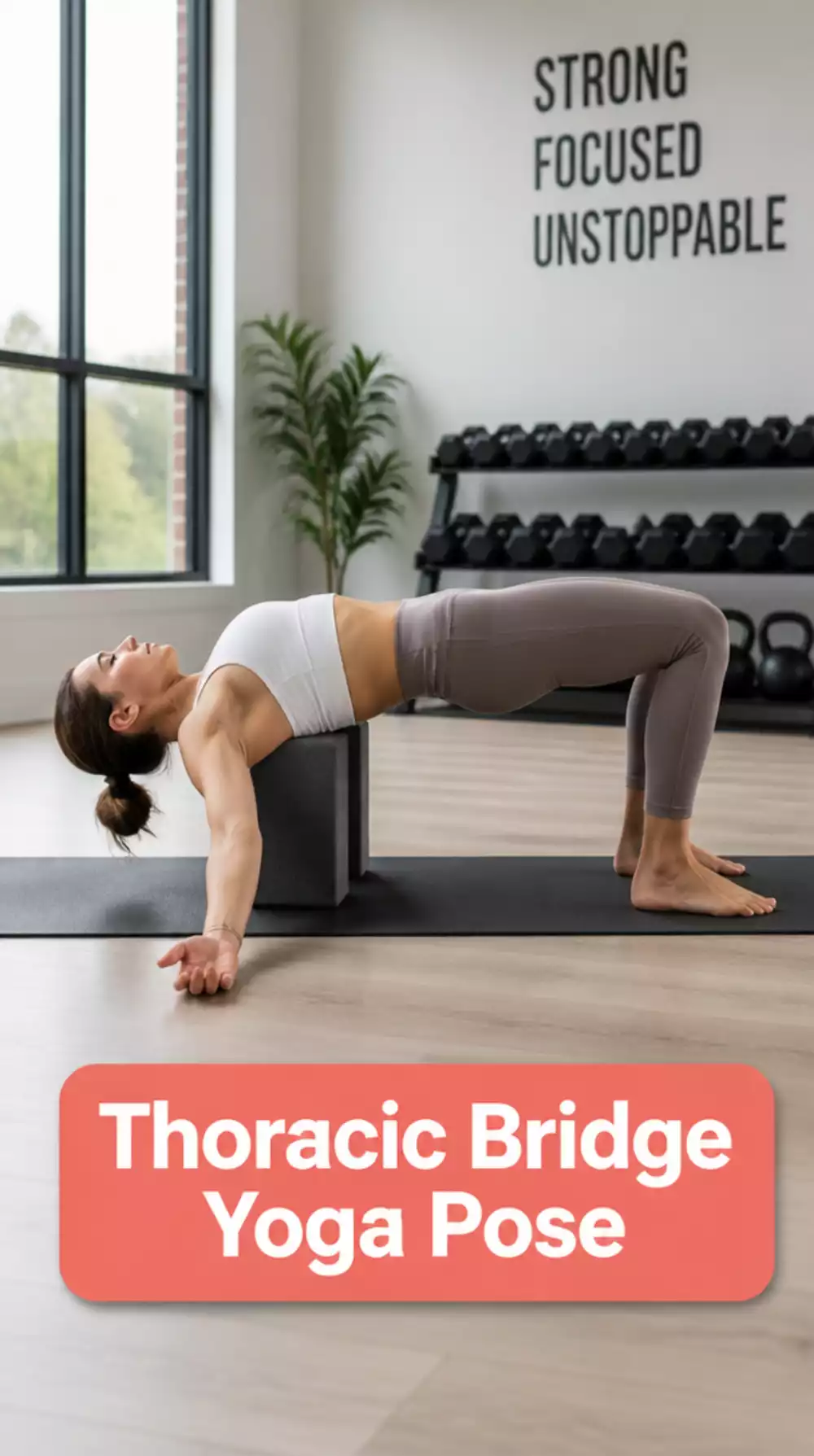
Boost your overhead performance with better back mobility.
Why Thoracic Bridge Yoga Pose Matters: This pose is essential for athletes in overhead sports, enhancing thoracic spine flexibility and improving shoulder mobility. As a counteraction to poor posture developed during training, the Thoracic Bridge helps maintain proper alignment and balance, allowing for more effective movement patterns.
What People Rarely Consider: Many athletes overlook the importance of maintaining a neutral neck position during the Thoracic Bridge. Overextending the neck can lead to strain, limiting the benefits of the stretch. Instead, focus on keeping the neck aligned with the spine for optimal support and effectiveness.
- ★Use foam yoga blocks to enhance support and stability during the pose.
- ★Engage your core to maintain balance and protect your lower back.
- ★Practice regularly to improve overall upper body strength and mobility.
⭐ Best Products for Thoracic Bridge Yoga
Yoga Block and Strap Set
★★★★
Our Score: 4.8/5
This versatile set improves stability and flexibility for the Thoracic Bridge pose.
View on Amazon →Foam Yoga Block Set
★★★★½
Our Score: 4.5/5
This high-density foam adds support and stability for effective back stretches.
View on Amazon →Posture Corrector for Back
★★★★
Our Score: 4.5/5
This posture corrector ensures proper alignment during the Thoracic Bridge for safety.
View on Amazon →📋 Quick Tips:
- Start Slowly: Begin with a gentle lift to avoid straining your neck.
- Focus on Alignment: Keep your neck neutral to maximize the pose's benefits.
- Breathe Deeply: Use your breath to deepen the stretch and enhance relaxation.
Lizard Pose Yoga Stretch for Runners That Stops Hip and Groin Injuries
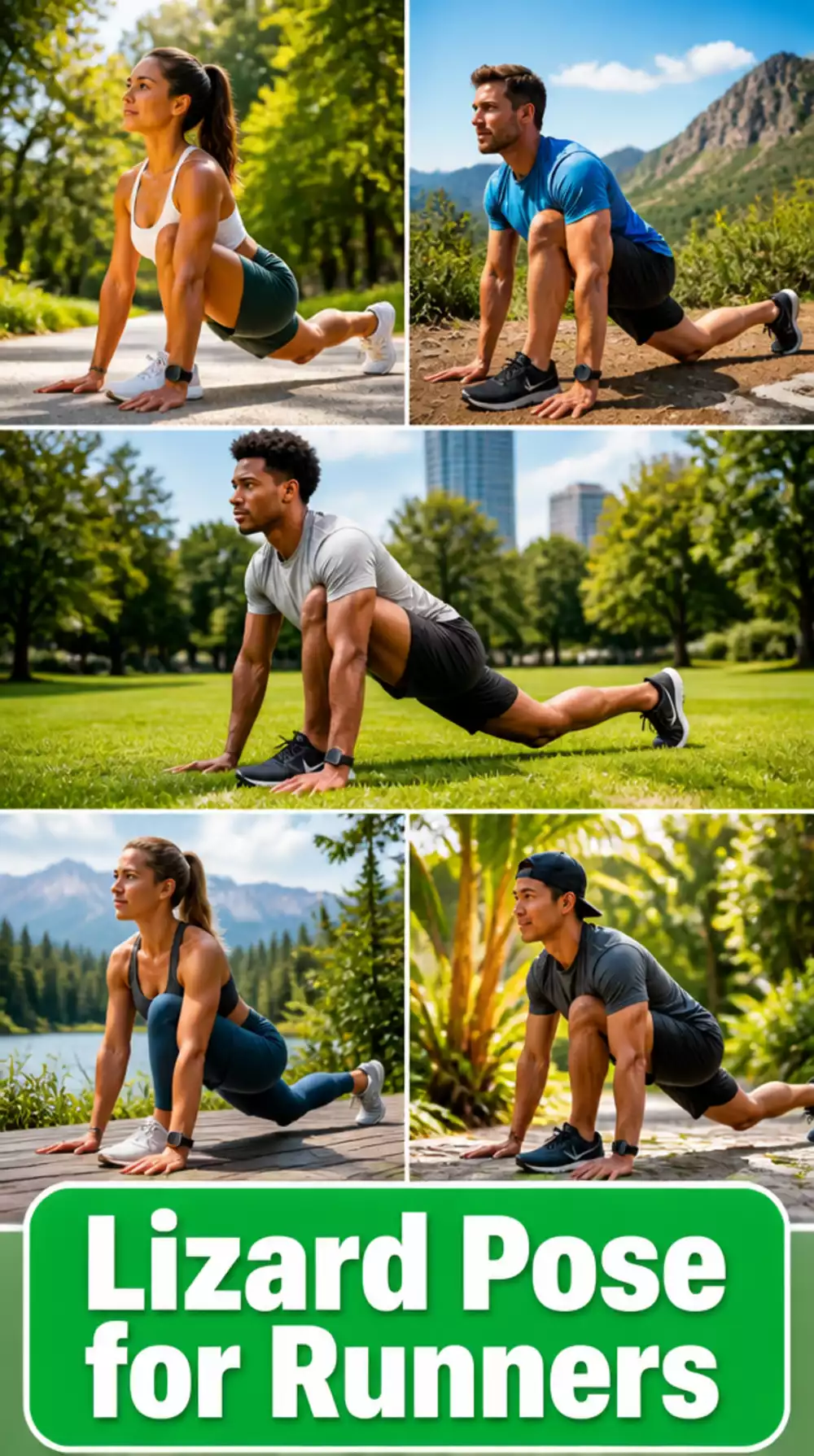
Transform your running routine with Lizard Pose for enhanced flexibility.
Understanding the Benefits of Lizard Pose: This powerful stretch effectively targets the hip flexors and groin, crucial areas often tight in runners. By engaging in Lizard Pose, athletes can significantly enhance their flexibility and stability, reducing the risk of injury while improving performance on the track.
What Many Runners Overlook is the connection between tight hip muscles and their impact on running efficiency. Often, athletes skip stretching or jump straight into their workouts without prioritizing flexibility. Regularly practicing Lizard Pose can help mitigate these issues. For instance, taking just a few minutes post-run to stretch can lead to a notable improvement in muscle recovery and performance.
- ★Focus on slowly sinking your hips towards the ground for maximum stretch.
- ★Utilize a yoga mat carrier strap for easy transport to your favorite outdoor stretching spot.
- ★Avoid rushing the pose; instead, take deep breaths to deepen the stretch safely.
⭐ Top Products for Lizard Pose Yoga
✨ Editor's Pick
Yoga Mat Carrier Strap
★★★★
Our Score: 4.5/5
The Yoga Mat Carrier Strap makes transporting your mat easy, enhancing your yoga experience on-the-go.
View on Amazon →Non-Slip Hot Yoga Towel
★★★★
Our Score: 4.3/5
The Non-Slip Hot Yoga Towel enhances grip and stability during Lizard Pose, ensuring comfort.
View on Amazon →Yoga Mat Cleaner Spray
★★★★
Our Score: 4.5/5
The Yoga Mat Cleaner Spray keeps your mat fresh and hygienic for regular practice.
View on Amazon →💡 Quick Tips:
- Take Your Time: Slowly ease into the pose to avoid overstretching your hips.
- Focus on Breathing: Deep, even breaths can help you deepen your stretch safely.
- Use Props: Consider a yoga block for added support if you're not quite there yet.
Finding your rhythm during this part of the practice can feel both challenging and rewarding. Every effort you make contributes to better flexibility and resilience over time. Progress is a journey that embraces patience and mindful movement—not speed or perfection.
⚡ Keep This in Mind:
- Avoid overstretching by following alignment cues in poses that support stability.
- Engage your core gently to maintain balance and protect your joints during stretches.
- Breathing deeply helps release tension and deepen your stretches with ease and focus.
- Allow your body to guide you, honoring limits while encouraging gentle growth.
Supine Figure-Four Yoga Move for Athletes That Releases Piriformis Tightness
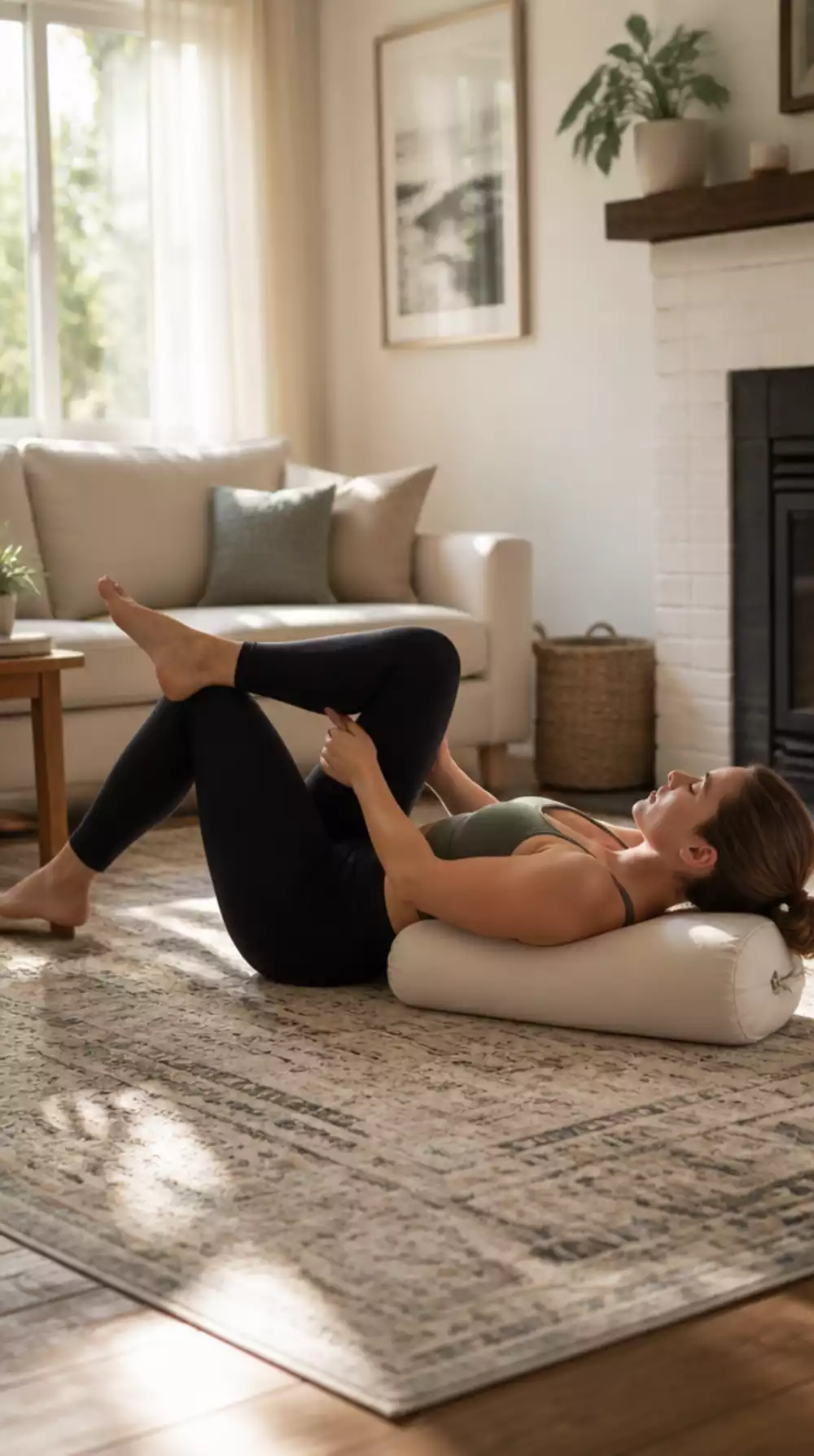
Experience relief and enhanced flexibility with this simple move.
Understanding the Supine Figure-Four Move: The Supine Figure-Four specifically targets the piriformis muscle, helping to alleviate tightness that can lead to discomfort or even sciatica in athletes. By stretching this area, you not only enhance leg mobility but also improve overall performance, making this pose crucial for effective training.
What People Rarely Consider is the time needed to truly feel the benefits of the stretch. Many rush through the pose, missing that essential moment of release. Holding the stretch for an adequate duration allows for the piriformis muscle to relax and lengthen, ultimately leading to better results and less discomfort.
- ★Hold the stretch for at least 30 seconds to feel the release.
- ★Use a bolster pillow, like the Triple-Layer Yoga Bolster Pillow, for added support and comfort.
- ★Avoid bouncing during the stretch; gentle, steady pressure is more effective.
⭐ Top Products for Figure-Four Yoga Move
Stretching Straps for Flexibility
★★★★
Our Score: 4.4/5
Aid in stretching effectively, improving range of motion during the Supine Figure-Four pose.
View on Amazon →✨ Editor's Pick
Triple-Layer Yoga Bolster Pillow
★★★★½
Our Score: 4.5/5
Offers comfort for deeper stretches in the Supine Figure-Four, enhancing relaxation.
View on Amazon →Pilates Kit for Home Workouts
★★★★
Our Score: 4.0/5
This comprehensive kit supports various stretches, enhancing your yoga practice at home.
View on Amazon →🚀 Quick Tips:
- Hold the stretch: Keep your position for at least 30 seconds to release tension effectively.
- Use a yoga bolster: Enhance comfort and support during the Supine Figure-Four stretch.
- Stay steady: Avoid bouncing; use gentle pressure to deepen the stretch for better results.
Yoga Strap Routine for Athletes That Deepens Hamstring Flexibility Safely
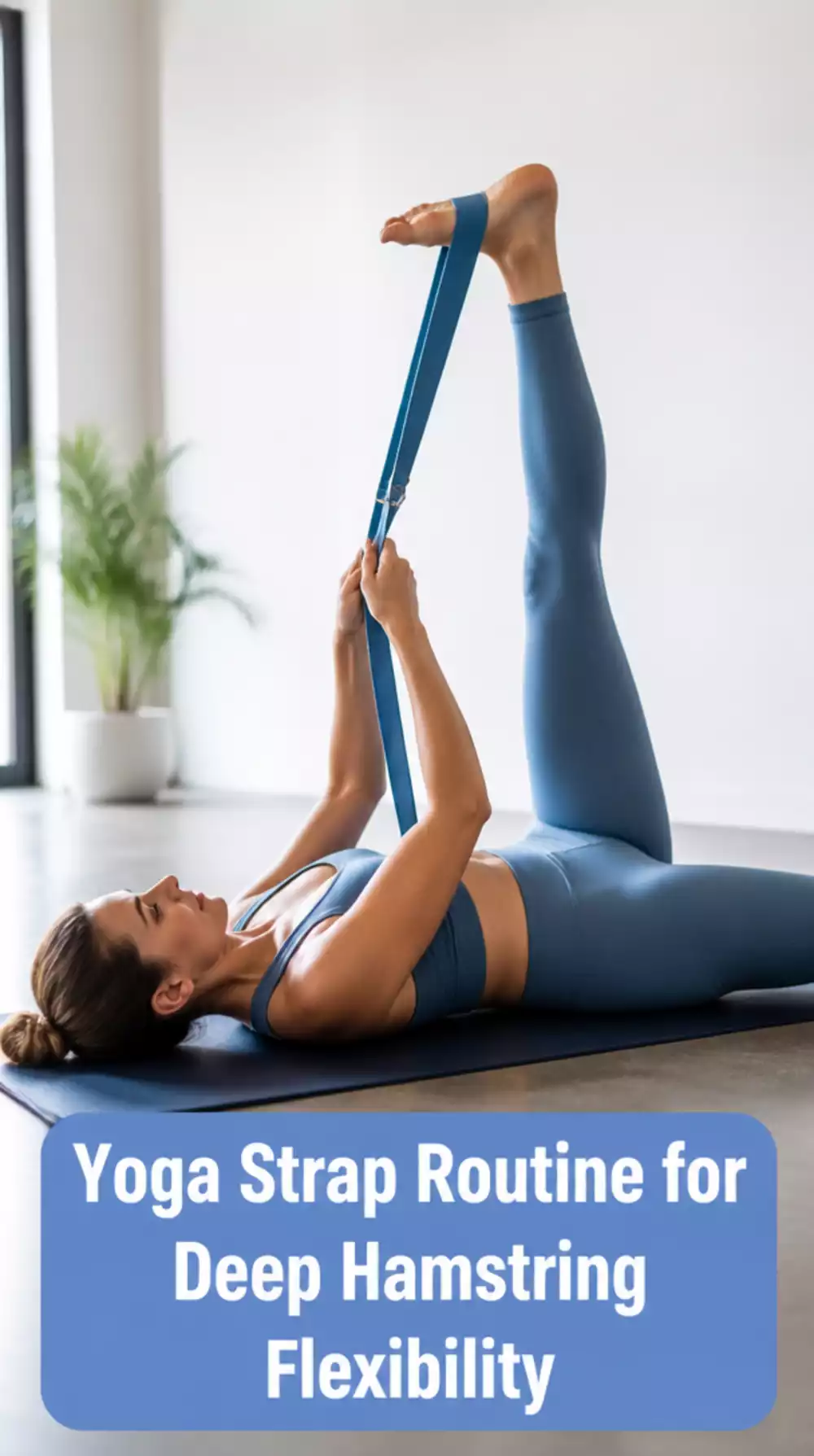
Enhance your flexibility and performance with simple yoga strap techniques.
How a Yoga Strap Routine Enhances Hamstring Flexibility: A yoga strap is an excellent tool for athletes aiming to deepen hamstring stretches safely. It allows for controlled and gradual stretching, which minimizes the risk of injury while effectively promoting flexibility. Incorporating a strap into your routine can significantly improve your range of motion over time.
Where Most People Get Stuck: Many athletes underestimate the importance of gradual stretching and often rush through their routines. For instance, an athlete might try to reach their toes without a strap, causing strain. Instead, using a strap can help maintain alignment while deepening the stretch safely and effectively.
- ★Incorporate hamstring stretches like the seated forward bend using a strap for deeper engagement.
- ★Focus on maintaining proper alignment to avoid injury while stretching with the strap.
- ★Avoid bouncing during stretches, as it can lead to muscle strain; opt for steady pulls instead.
💭 Important to Remember:
Consistent practice with a yoga strap not only increases flexibility but also helps athletes build strength in their hamstrings. This dual benefit can lead to better performance in sports and reduced injury risk.
⭐ Top Products for Yoga Strap Routine
Foam Yoga Block Set
★★★★½
Our Score: 4.5/5
Use the Foam Yoga Block Set for safe support while deepening your hamstring stretches.
View on Amazon →Stretching Strap for Yoga
★★★★½
Our Score: 4.7/5
Enhance your flexibility routine with the Stretching Strap that allows safe deepening of stretches.
View on Amazon →✨ Editor's Pick
Yoga Block and Strap Set
★★★★½
Our Score: 4.8/5
The Yoga Block and Strap Set is perfect for safely deepening your hamstring flexibility routine.
View on Amazon →🚀 Quick Tips:
- Use the strap: Focus on deepening stretches gradually to avoid strain.
- Maintain alignment: Keep your back straight while stretching with the strap.
- Engage your core: This helps stabilize your body during hamstring stretches.
Why a Daily Yoga Flow Makes Every Strength Training Session Feel Less Punishing
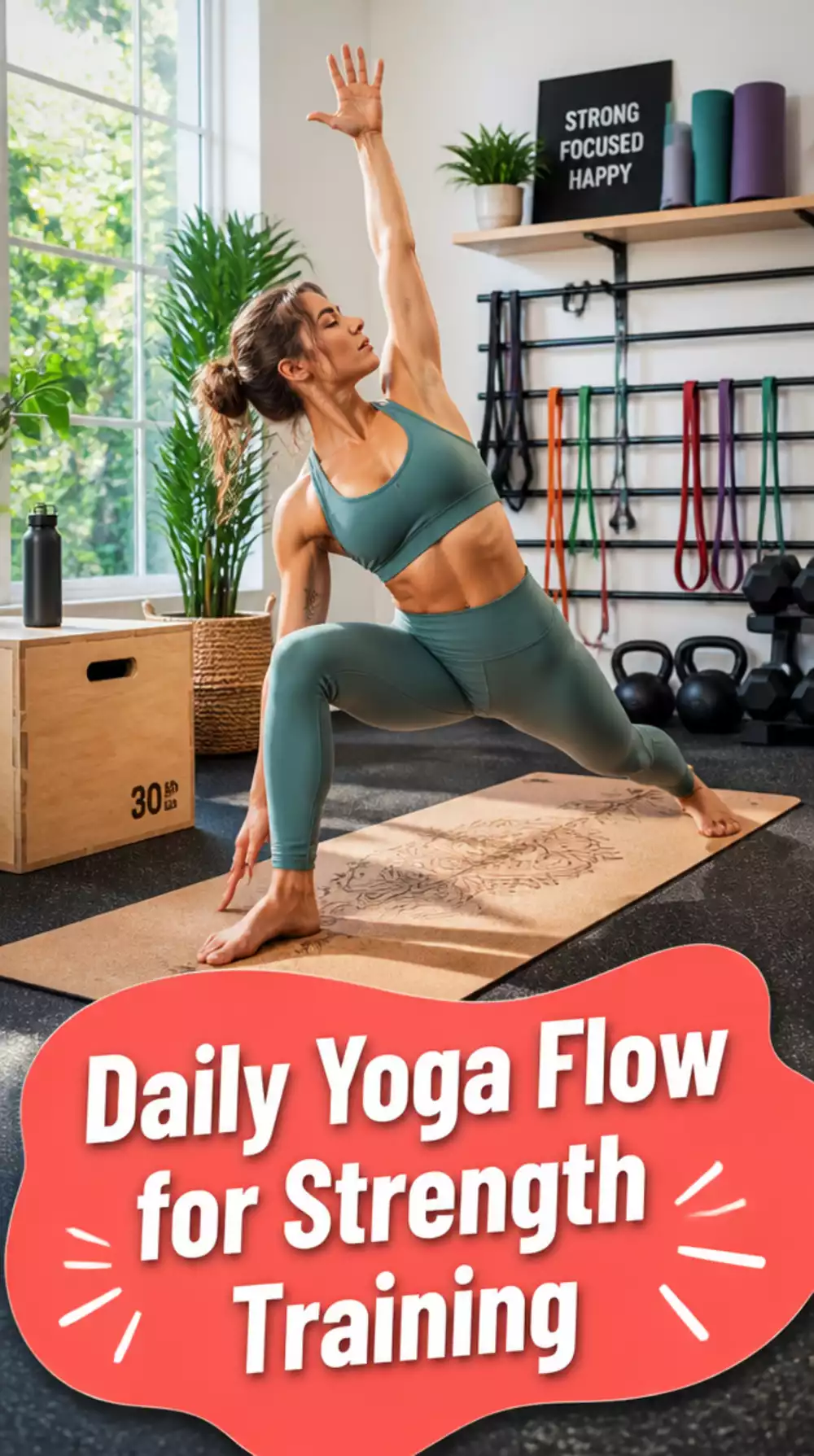
Transform your strength training with daily yoga flow for better recovery.
The Benefits of Daily Yoga Flow for Strength Training: Integrating daily yoga flow into your routine not only enhances mobility and flexibility, but it also plays a crucial role in preventing injuries while lifting. This practice can ease muscle soreness and stiffness, allowing for more effective training sessions.
What Many Athletes Overlook is the mental aspect of training. Many focus solely on physical strength, neglecting the benefits of mindfulness and intentional movements found in yoga. This combination can lead to improved focus during workouts, ultimately enhancing performance.
- ★Incorporate simple poses like Cat-Cow and Downward Dog into your warm-up routine.
- ★Use an eco-friendly non-slip yoga mat for comfort and stability during your practice.
- ★Practice deep breathing to enhance focus and reduce stress before lifting.
⭐ Best Products for Daily Yoga Flow
✨ Editor's Pick
Eco-Friendly Non-Slip Yoga Mat
★★★★½
Our Score: 4.5/5
The Eco-Friendly Non-Slip Yoga Mat provides a stable surface to improve your daily yoga flow.
View on Amazon →Resistance Bands Set for Training
★★★★
Our Score: 4.5/5
This Resistance Bands Set enhances strength training while complementing your yoga practice.
View on Amazon →Yoga Mat Cleaner Spray
★★★★
Our Score: 4.5/5
The Yoga Mat Cleaner Spray keeps your mat fresh, enhancing your daily yoga experience.
View on Amazon →💡 Quick Tips:
- Establish a routine: Aim for at least 10-15 minutes of yoga daily to maximize benefits.
- Add complementary poses: Include stretches like Cat-Cow and Warrior II for balance and strength.
- Listen to your body: Adjust your yoga practice based on how your body feels on any given day.
You now have seven practical ways to integrate yoga into your athletic routine. Start with what feels manageable and allow yourself to experience the benefits gradually.
Remember, improving your performance and preventing injuries is a journey, and small, intentional changes add up to make a significant difference. Embrace the process, and you'll soon notice how these practices enhance your overall well-being.

Lara V. Hargrove
Lara V. Hargrove is a passionate yoga enthusiast and wellness advocate dedicated to helping individuals cultivate mindful home yoga practices. With years of experience as a yoga practitioner and a deep understanding of yoga philosophy, Lara shares her insights and expertise through thoughtful reviews and practical guides. She believes in the transformative power of yoga and is committed to helping others create harmonious spaces for their practice.