Powerful 30-Day Yoga Challenge for Beginners
Starting a consistent yoga practice can feel overwhelming, especially for beginners. However, committing to a daily routine can enhance both your physical and mental well-being. This 30-day challenge will guide you through seven essential stages to build your practice step by step, starting with the foundational poses that make it all possible.
Day One Yoga Challenge Pose That Every Absolute Beginner Can Do Successfully
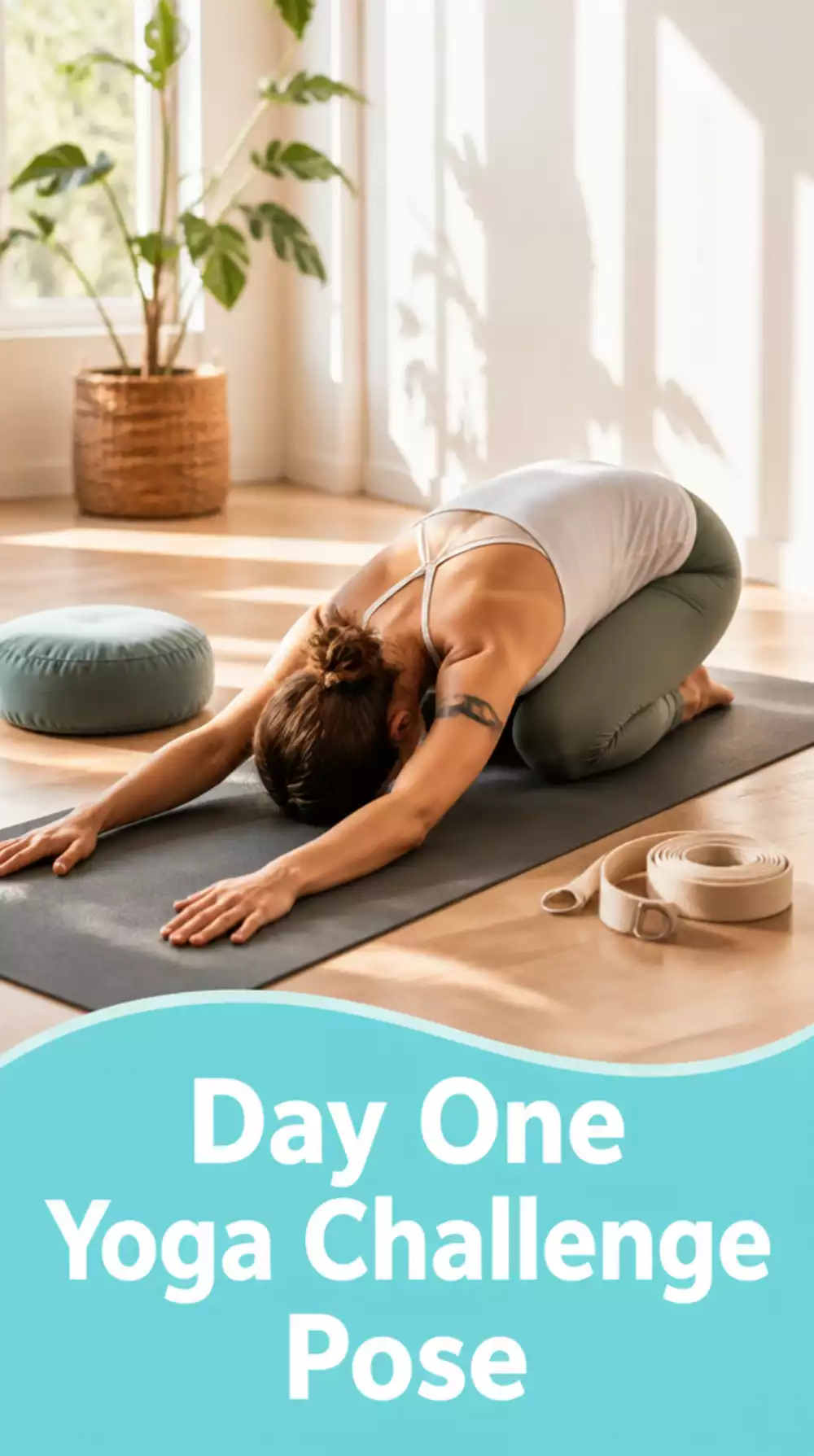
Embrace your yoga journey with this calming foundational pose.
As an Amazon Associate I earn from qualifying purchases. Affiliate links may earn me a commission at no extra cost to you.
Why Mastering Child's Pose Matters: Starting your yoga journey with Child’s Pose is essential for fostering comfort and mindfulness. This gentle, restorative pose allows beginners to relax while stretching the lower back and hips. Mastering it can boost your confidence and lay a solid foundation for your practice.
Where Most People Get Stuck: Many beginners overlook the importance of breathing deeply while holding Child's Pose. Instead of pushing too hard, focus on relaxing your body and mind. This approach allows you to truly benefit from the pose, creating a peaceful start to your yoga journey.
- ★Use a stretching strap to deepen your stretches safely.
- ★Focus on your breath; inhale deeply through your nose and exhale slowly.
- ★Consider using a meditation cushion for added comfort during the pose.
⭐ Top Products for Beginner Yoga
✨ Editor's Pick
Stretching Strap with Loops for Yoga
★★★★★
Our Score: 5.0/5
This stretching strap enhances flexibility and safety, perfect for beginners mastering their poses.
View on Amazon →Buckwheat Hull Meditation Cushion
★★★★½
Our Score: 4.5/5
This meditation cushion provides support, making seated poses more comfortable for beginners.
View on Amazon →All in One Yoga Wheel Set
★★★★☆
Our Score: 4.0/5
This yoga wheel set aids in posture improvement and muscle relief for beginners.
View on Amazon →💡 Quick Tips:
- Focus on Breath: Inhale deeply through your nose, exhale slowly to enhance relaxation.
- Use Props: Consider a meditation cushion for added comfort while holding the pose.
- Practice Regularly: Make Child's Pose a daily practice to build comfort and confidence in your yoga journey.
Week One Yoga Challenge Routine That Builds Flexibility in the Hips and Hamstrings
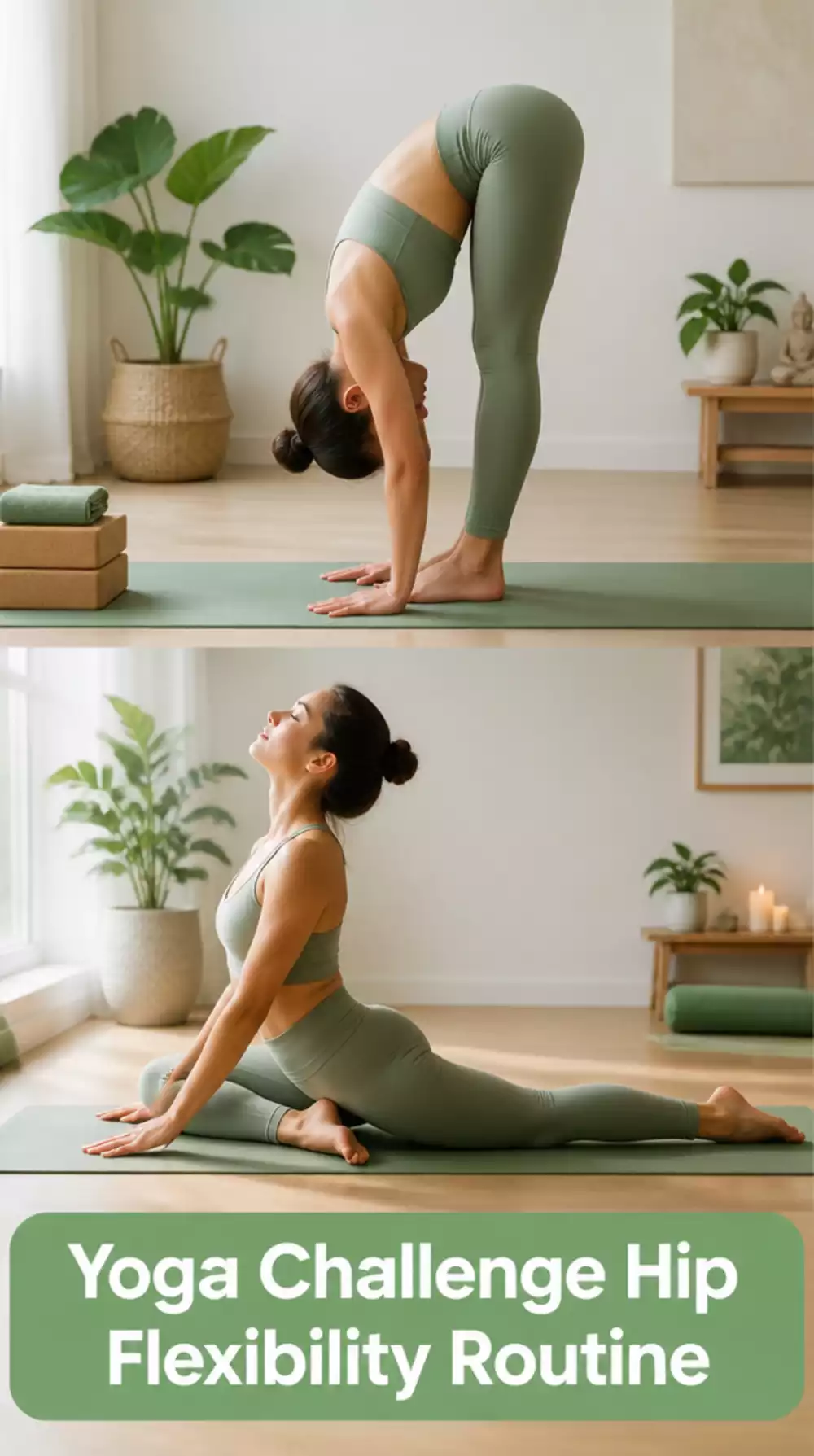
Unlock greater flexibility with essential yoga poses.
How This Routine Enhances Flexibility: Building flexibility in the hips and hamstrings is crucial for beginners, as tightness in these areas can hinder your yoga journey. Poses like Forward Bend and Pigeon Pose effectively stretch these muscles, promoting better alignment and mobility in future practices.
Where Most People Get Stuck: Many beginners rush through poses without holding them long enough to fully benefit. For instance, holding a Forward Bend for an extended period allows your body to relax into the stretch, rather than just skimming the surface. Take your time, and you’ll notice a world of difference!
- ★Hold each pose for at least 30 seconds to deepen your stretch.
- ★Use a yoga bolster to support your body and enhance stretches.
- ★Transition slowly between poses to maintain balance and focus.
⭐ Top Products for Hip Flexibility
Non-Slip Eco-Friendly Yoga Mat
★★★★½
Our Score: 4.5/5
This non-slip mat provides excellent grip, enhancing your safety and comfort during flexibility routines.
View on Amazon →✨ Editor's Pick
Triple-Layer Sponge Yoga Bolster
★★★★★
Our Score: 5.0/5
This comfortable bolster is essential for supporting restorative poses and enhancing flexibility.
View on Amazon →Eco-Friendly Fitness Exercise Mat
★★★★☆
Our Score: 4.0/5
This durable mat ensures stability during various yoga poses, helping you progress faster.
View on Amazon →🚀 Quick Tips:
- Hold Each Pose Longer: Aim for at least 30 seconds to deepen your stretch and enhance flexibility.
- Use a Yoga Bolster: This prop can provide support, making it easier to relax into your stretches.
- Practice Mindful Breathing: Focus on your breath as you move through poses to enhance relaxation and connection.
Week Two Yoga Challenge Sequence That Introduces Standing Balance Poses Safely
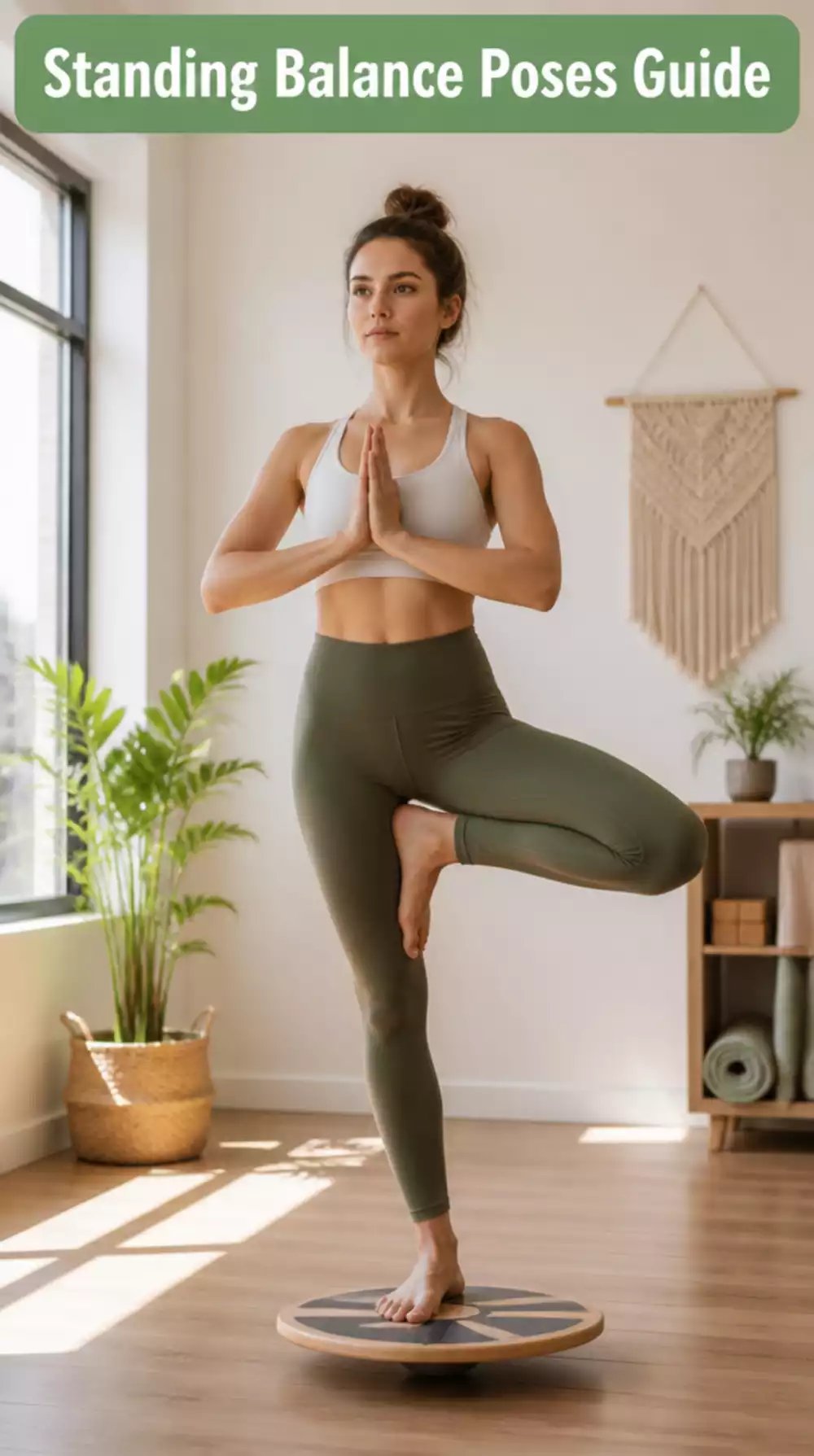
Master balance poses to enhance stability and focus.
The Importance of Introducing Standing Balance Poses: Integrating standing balance poses like Tree Pose and Warrior III fosters not only core strength and stability but also sharpens your mental focus. These poses are essential for building confidence and preparing your body for more challenging sequences later on.
Where most beginners get stuck is overextending their limbs during balance poses, which can lead to unnecessary strain and instability. Instead, try to root your standing foot firmly into the ground while gently engaging your core. For instance, while performing Tree Pose, actively engage your standing leg to develop strength and balance.
- ★Use a wooden balance board to enhance stability while practicing.
- ★Focus on a fixed point in front of you to improve concentration during poses.
- ★Consider using yoga blocks for additional support and balance.
⭐ Top Products for Balance Poses
Supportive Yoga Blocks for Stability
★★★★½
Our Score: 4.5/5
Enhance your balance and stability during poses with these supportive yoga blocks.
View on Amazon →7 Modes Wobble Balance Board
★★★★☆
Our Score: 4.0/5
This wobble balance board is perfect for enhancing coordination and balance during yoga practice.
View on Amazon →✨ Editor's Pick
Wooden Balance Board for Kids and Adults
★★★★★
Our Score: 5.0/5
This wooden balance board enhances stability and is perfect for all ages during yoga practice.
View on Amazon →📋 Your Quick Start Guide:
- Pick a focal point: Choose something stationary to help maintain your balance during poses.
- Use blocks for support: Position yoga blocks under your hands or foot as needed for added stability.
- Engage your core: Keeping your core active helps with balance and stability in standing poses.
Yoga Challenge Printable Tracker That Keeps a 30-Day Streak Visible Daily
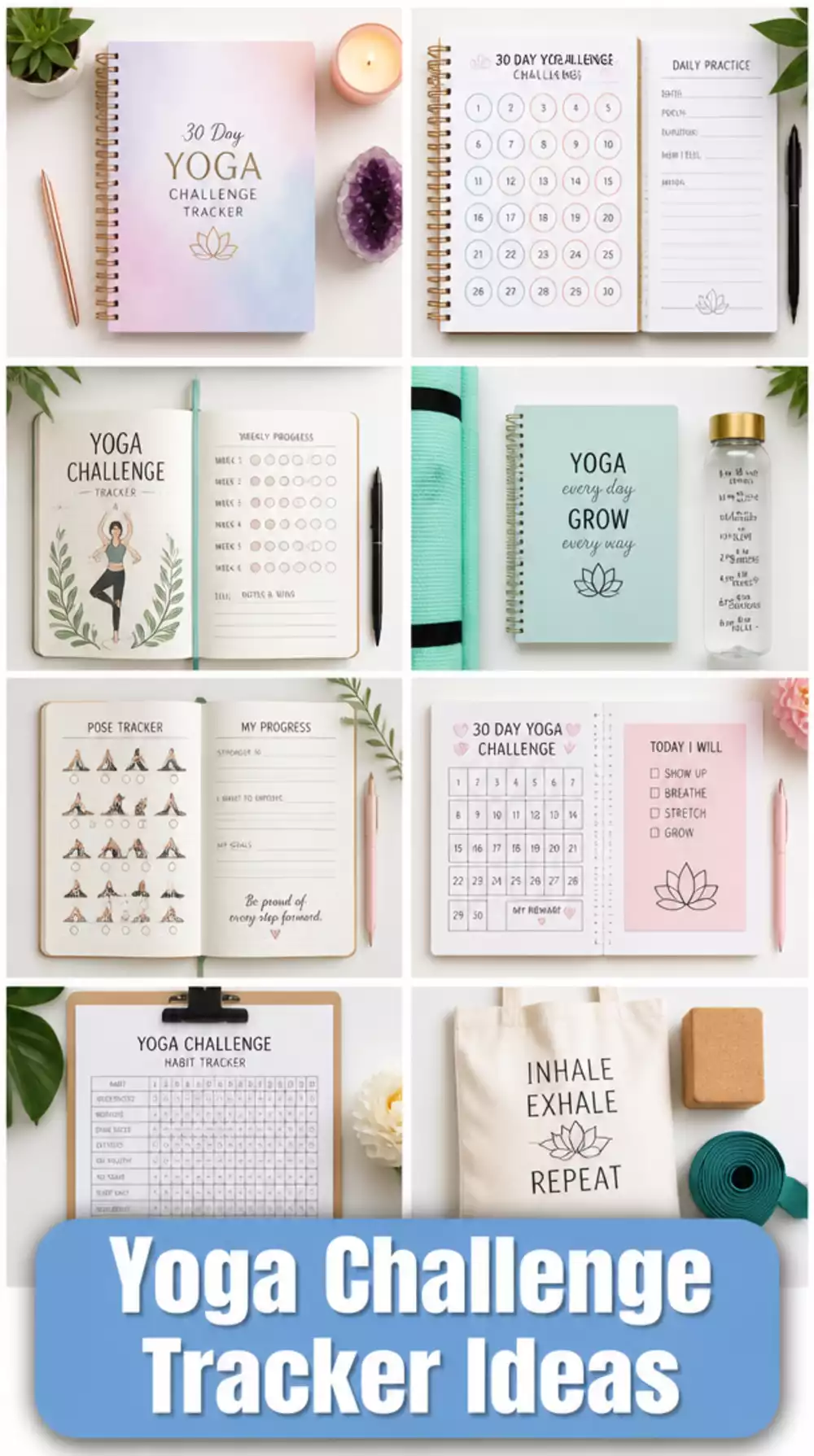
Stay motivated and track your yoga journey easily.
Why a Printable Tracker Matters: Seeing your progress visually can be incredibly motivating. A printable tracker helps maintain accountability by allowing you to mark off each successful day of practice. This simple act can enhance your commitment and keep you focused on your goal of building a consistent yoga routine.
Where Most People Get Stuck is in the lack of a structured approach to tracking their progress. Many beginners simply forget to log their sessions, leading to feelings of discouragement. By creating a personalized tracker, you can remind yourself of how far you've come, celebrating even small victories along the way.
- ★Choose a planner that has habit-tracking sections to visually mark your progress.
- ★Set realistic weekly goals on your tracker to keep motivation high throughout the month.
- ★Use a planner like the 2026 Weekly and Monthly Planner to keep all your goals organized.
⭐ Top Products for Fitness Tracking
✨ Editor's Pick
2026 Weekly and Monthly Planner
★★★★★
Our Score: 5.0/5
This planner helps you track fitness goals and ensures consistency in your yoga practice.
View on Amazon →Weekly Meal Planning Pad
★★★★½
Our Score: 4.5/5
This meal planner organizes your meals, enhancing your overall wellness tracking.
View on Amazon →Daily Fitness Planner for Workouts
★★★★☆
Our Score: 4.0/5
This fitness planner is effective in tracking workouts and achieving your goals.
View on Amazon →📋 Best Practices:
- Start each week by reviewing your goals: This keeps your focus sharp and motivation high.
- Use stickers or colors to mark milestones: Celebrate small wins for an extra boost of encouragement.
- Share your tracker with a friend: This accountability can make your yoga journey more enjoyable and supportive.
Finding your rhythm can sometimes feel tricky, yet every session adds up in meaningful ways. Even brief moments on the mat nurture your body and mind, creating a foundation that grows stronger over time. Embracing this gentle consistency encourages a practice that feels sustainable and joyful, rather than forced.
✨ Simple Reminders:
- Keep a regular schedule by exploring daily yoga for focus to build habit.
- Set gentle goals that encourage progress, not pressure, and celebrate small victories.
- Variety adds energy — try mixing poses and flows to keep your practice fresh and inviting.
Week Three Yoga Challenge Flow That Strings Three Poses Together Smoothly
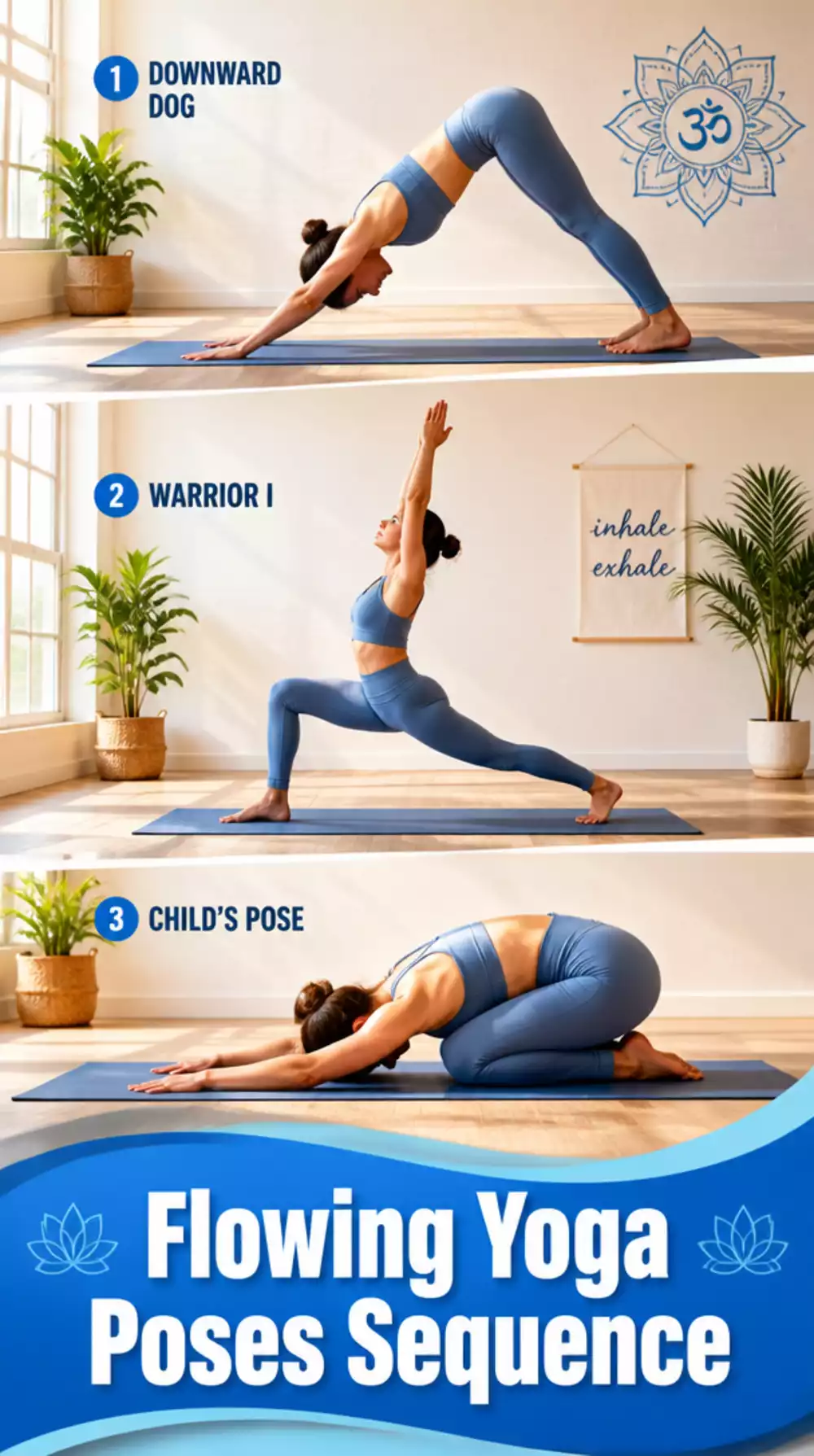
Experience a smooth flow through multiple poses for improved strength and flexibility.
The Power of Flowing Yoga Sequences: Smooth transitions between poses like Downward Dog, Warrior I, and Child's Pose can enhance your overall practice. This method not only builds strength and endurance but also fosters a sense of mindfulness, making each session feel holistic and engaging.
Where Most People Get Stuck is in maintaining proper form during transitions. For example, many beginners rush through moves, losing the alignment that brings stability and safety. Staying mindful of your body and its movements can prevent strain and promote a more rewarding experience.
- ★Focus on breathing deeply as you flow between poses to maintain control.
- ★Use a non-slip yoga mat like the Non-Slip Eco-Friendly Yoga Mat for better grip during transitions.
- ★Practice each pose individually before linking them to ensure confidence in your flow.
⭐ Top Products for Yoga Flow
Eco-Friendly Fitness Exercise Mat
★★★★½
Our Score: 4.5/5
The Eco-Friendly Fitness Exercise Mat provides durability and stability for smooth yoga flows.
View on Amazon →✨ Editor's Pick
Non-Slip Eco-Friendly Yoga Mat
★★★★★
Our Score: 5.0/5
The Non-Slip Eco-Friendly Yoga Mat ensures stability and comfort for seamless transitions during flows.
View on Amazon →Anti-Tear Thick Yoga Mat
★★★★☆
Our Score: 4.0/5
The Anti-Tear Thick Yoga Mat provides cushioning for intense flows, enhancing your practice comfort.
View on Amazon →🚀 Quick Tips:
- Focus on Breath: Use deep breathing to maintain control during your flow.
- Practice Transitions: Move slowly between poses to ensure proper form and alignment.
- Visualize the Flow: Picture the sequence in your mind before executing it to enhance fluidity.
Week Four Yoga Challenge Sequence That Feels Like a Real Vinyasa Flow Class
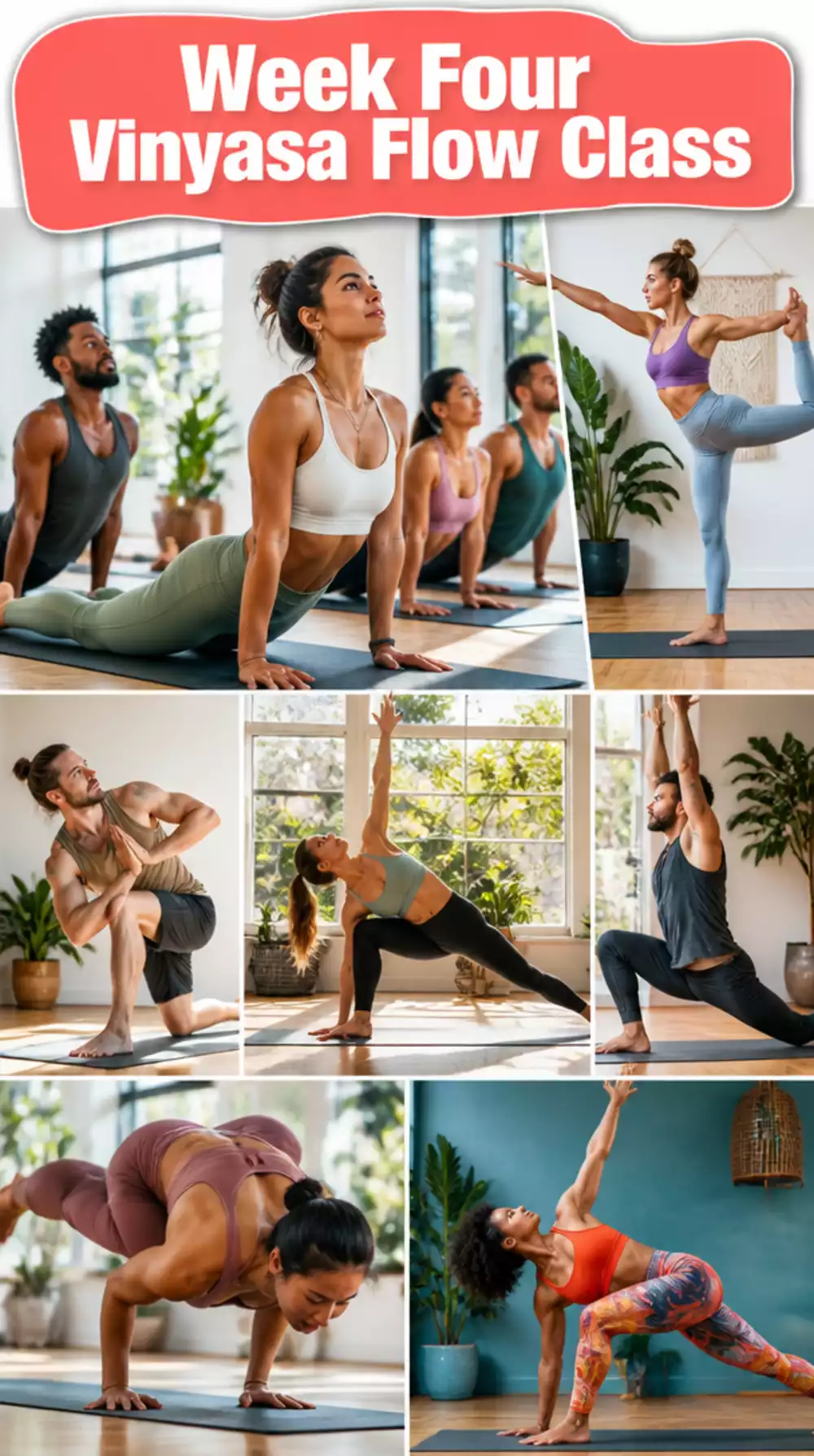
Experience the flow and strength of a true Vinyasa class.
Why Vinyasa Flow Matters: Vinyasa flow is all about the rhythm of breath and movement. Each pose seamlessly transitions into the next, enhancing your stamina and strength. This week, you’ll explore how to synchronize your breath with movements, creating a meditative experience that challenges both body and mind.
Where most people get stuck is in the pacing of Vinyasa flows. Beginners often rush through poses, missing the beauty of the moment. Allowing yourself to slow down and truly connect with each breath can transform your practice. For instance, taking the time to feel how your body aligns in Downward Dog can enhance your stability and comfort.
- ★Focus on breath synchronization, inhaling as you reach up and exhaling as you fold.
- ★Introduce modifications for challenging poses to maintain comfort and safety.
- ★Consider investing in a high-density yoga mat for extra cushioning during dynamic sequences. Extra Thick High Density Yoga Mat
⭐ Top Products for Vinyasa Flow
Extra Thick High Density Yoga Mat
★★★★★
Our Score: 5.0/5
This extra thick mat provides the needed support for dynamic Vinyasa flows during your practice.
View on Amazon →Extra Thick High Density Yoga Mat
★★★★½
Our Score: 4.5/5
This mat’s non-slip surface ensures stability and comfort for various exercises beyond yoga.
View on Amazon →Extra Thick Yoga Mat with Carrying Strap
★★★★☆
Our Score: 4.0/5
This budget-friendly mat offers support and is perfect for beginner yogis on a budget.
View on Amazon →🚀 Your Quick Start Guide:
- Pace Yourself: Take your time to feel each pose in the flow.
- Modify When Needed: Don't hesitate to adjust poses to suit your comfort level.
- Connect Your Breath: Synchronize your inhalations and exhalations with each movement.
The One Yoga Mat That Stays Non-Slip Through Every Day of a 30-Day Challenge
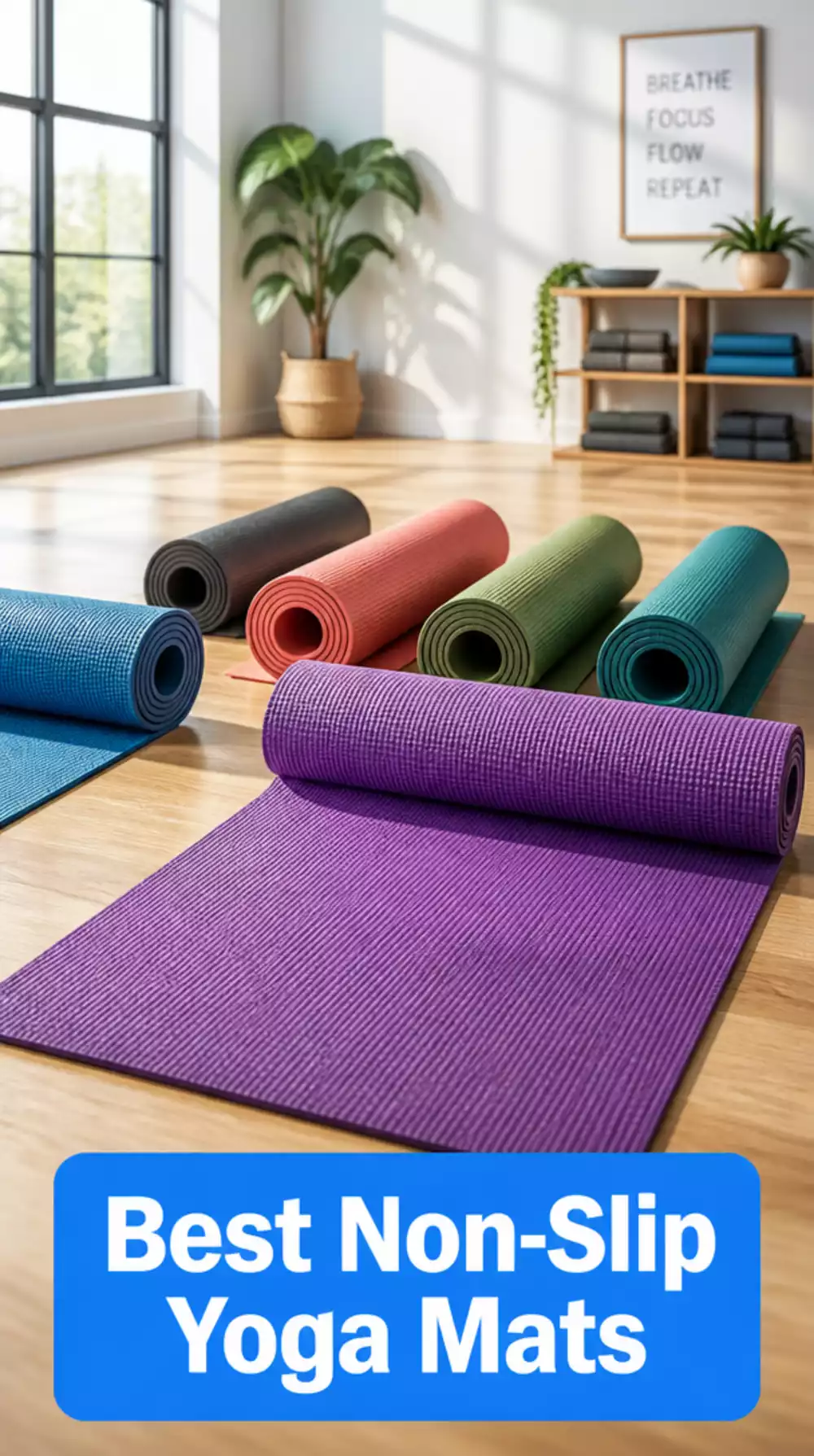
Find the perfect mat that supports your daily practice with confidence.
Why a Reliable Non-Slip Yoga Mat Matters: Having a dependable yoga mat is essential for safely engaging in daily practice. A non-slip mat provides the grip you need to confidently flow through poses, minimizing the risk of slips or falls. The right thickness and material also enhance comfort, encouraging longer sessions without discomfort or distractions.
Where Most People Get Stuck is in overlooking the quality of their yoga mat. Many beginners settle for cheaper options, unaware that they can compromise their practice with inadequate grip or support. This often leads to frustration, especially during challenging poses where stability is crucial. Investing in a quality mat makes a significant difference in comfort and performance.
- ★Choose a mat with a high-quality non-slip surface for safety during practice.
- ★Opt for thicker mats that provide cushioning for your joints during extended sessions.
- ★Regularly clean your mat to maintain its grip and longevity; sweat and dirt can wear it down.
⭐ Best Non-Slip Yoga Mats for Challenges
✨ Editor's Pick
Extra Thick Non-Slip Yoga Mat
★★★★★
Our Score: 5.0/5
This mat stays non-slip even during intense sessions, crucial for a focused practice.
View on Amazon →Extra Wide Yoga Mat with Strap
★★★★½
Our Score: 4.5/5
This mat offers ample space for various poses, enhancing your practice experience.
View on Amazon →Kids Non-Slip Yoga Mat
★★★★☆
Our Score: 4.0/5
This mat is safe and fun, perfect for encouraging children's yoga practice.
View on Amazon →🚀 Quick Tips:
- Choose the right thickness: A thicker mat provides better cushioning for your joints during practice.
- Clean your mat regularly: Keeping your mat clean helps maintain its grip and longevity for daily use.
- Look for eco-friendly materials: Opt for mats made from sustainable materials for a healthier practice environment.
You now have seven practical ways to embark on your yoga journey with confidence and ease. Start with what feels manageable, allowing each small step to build your routine without overwhelm.
By choosing one or two approaches that resonate with you, you'll discover how these practices transform your daily life, promoting both physical and mental well-being. Remember, every mindful moment on the mat brings you closer to a more fulfilling practice.
Lara V. Hargrove
Lara V. Hargrove is a passionate yoga enthusiast and wellness advocate dedicated to helping individuals cultivate mindful home yoga practices. With years of experience as a yoga practitioner and a deep understanding of yoga philosophy, Lara shares her insights and expertise through thoughtful reviews and practical guides. She believes in the transformative power of yoga and is committed to helping others create harmonious spaces for their practice.