Grounding Yoga Breathing Techniques for Calm
Stress can feel overwhelming, leaving you seeking relief in the chaos of everyday life. Grounding yoga breathing techniques offer a pathway to restore calm and balance. Discover 7 simple methods that can transform your experience and help you navigate stress more effectively.
Box Breathing Yoga Technique That Slows the Heart Rate and Calms Panic
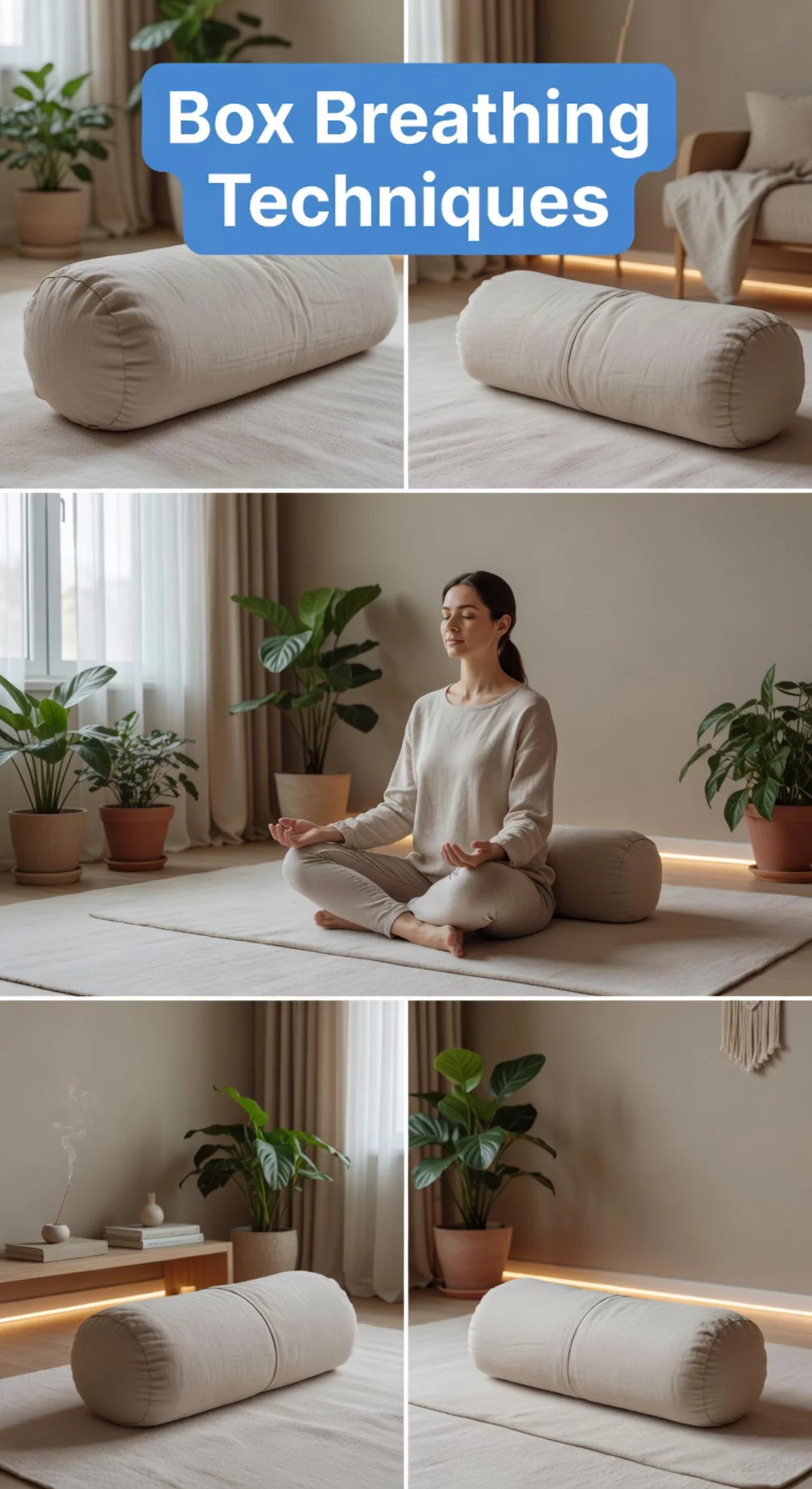
Embrace calmness with box breathing to regain control over anxiety.
As an Amazon Associate I earn from qualifying purchases. Affiliate links may earn me a commission at no extra cost to you.
Understanding Box Breathing Yoga Technique: Box breathing involves inhaling, holding, exhaling, and holding your breath for equal counts, typically four. This technique not only slows your heart rate but also activates the parasympathetic nervous system, making it a powerful tool during panic moments and accessible to beginners.
What people often overlook is the significance of counting your breaths. Many practitioners jump straight into the technique without establishing a rhythm. This can lead to ineffective practice, especially when under pressure. For example, when feeling overwhelmed at work, taking a moment to intentionally count breaths can create a profound shift.
- ★Practice box breathing for 2-5 minutes when feeling stressed or panicked.
- ★Maintain a straight posture using a yoga bolster for optimal breath support.
- ★Count your breaths and focus on the sensations to enhance mindfulness.
⭐ Top Products for Box Breathing Techniques
✨ Editor's Pick
Yoga Bolster for Meditation Practices
★★★★½
Our Score: 4.5/5
This bolster provides ergonomic support for comfort during box breathing practices.
View on Amazon →Soft Meditation Cushion for Yoga
★★★★½
Our Score: 4.5/5
This cushion offers plush support for a comfortable box breathing experience.
View on Amazon →Zafu Meditation Cushion for Comfort
★★★★☆
Our Score: 4.0/5
This cushion helps maintain proper posture during box breathing for enhanced focus.
View on Amazon →🚀 Quick Tips:
- Practice regularly: Aim for 2-5 minutes of box breathing daily to build resilience against stress.
- Find a comfortable posture: Use a yoga bolster to support your back and promote deeper breathing.
- Visualize your breath: Picture each breath as a wave, bringing in calmness and releasing tension.
Ujjayi Breath Yoga Method That Creates Heat and Focus During Any Flow
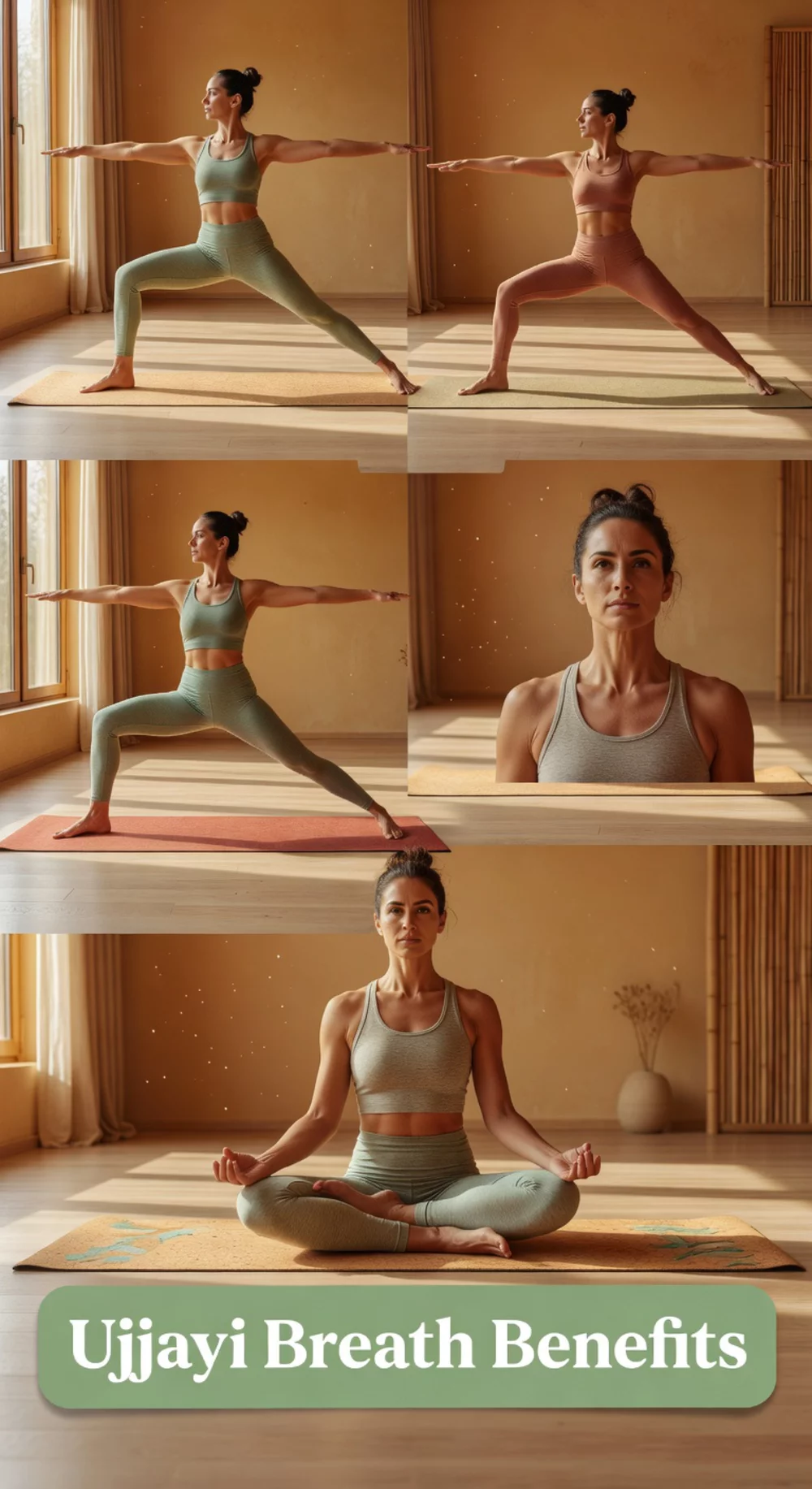
Harness the power of breath to energize your practice.
Understanding Ujjayi Breath: Ujjayi breath, often referred to as "victorious breath," involves a slight constriction of the throat while breathing, creating a calming and focused sound. This technique not only generates heat in the body but also enhances concentration during your yoga flow, making it easier to stay present and engaged.
What people often miss is the importance of the "ocean sound" created by the breath. Beginners might struggle to achieve this, leading to frustration. Focusing on a relaxed throat can help make this sound more natural, enhancing the breathing experience and providing a deeper connection to movements.
- ★Sync your Ujjayi breath with your movements for better flow and energy.
- ★Practice on a non-slip surface to maintain stability in your poses.
- ★Consider incorporating a non-slip eco-friendly yoga mat for optimal grip during practice.
⭐ Top Products for Ujjayi Breath Yoga Method
✨ Editor's Pick
Non-Slip Eco-Friendly Yoga Mat
★★★★½
Our Score: 4.5/5
The non-slip surface keeps you steady while practicing Ujjayi breath, enhancing your focus.
View on Amazon →Eco-Friendly Non-Slip Fitness Mat
★★★★½
Our Score: 4.5/5
Enjoy superior grip and durability for your Ujjayi breath techniques in any routine.
View on Amazon →Extra Thick Non-Slip Yoga Mat
★★★★½
Our Score: 4.5/5
The extra cushioning supports advanced poses, enhancing your Ujjayi breath practice.
View on Amazon →🚀 Simple Ways to Apply It:
- Focus on your breath: Maintain a relaxed throat to achieve the ocean sound easily.
- Integrate movement: Sync your Ujjayi breath with your yoga poses for enhanced focus.
- Practice on a stable surface: Use a non-slip mat for better grip and stability during your flow.
Alternate Nostril Pranayama Technique That Balances Energy and Eases Anxiety
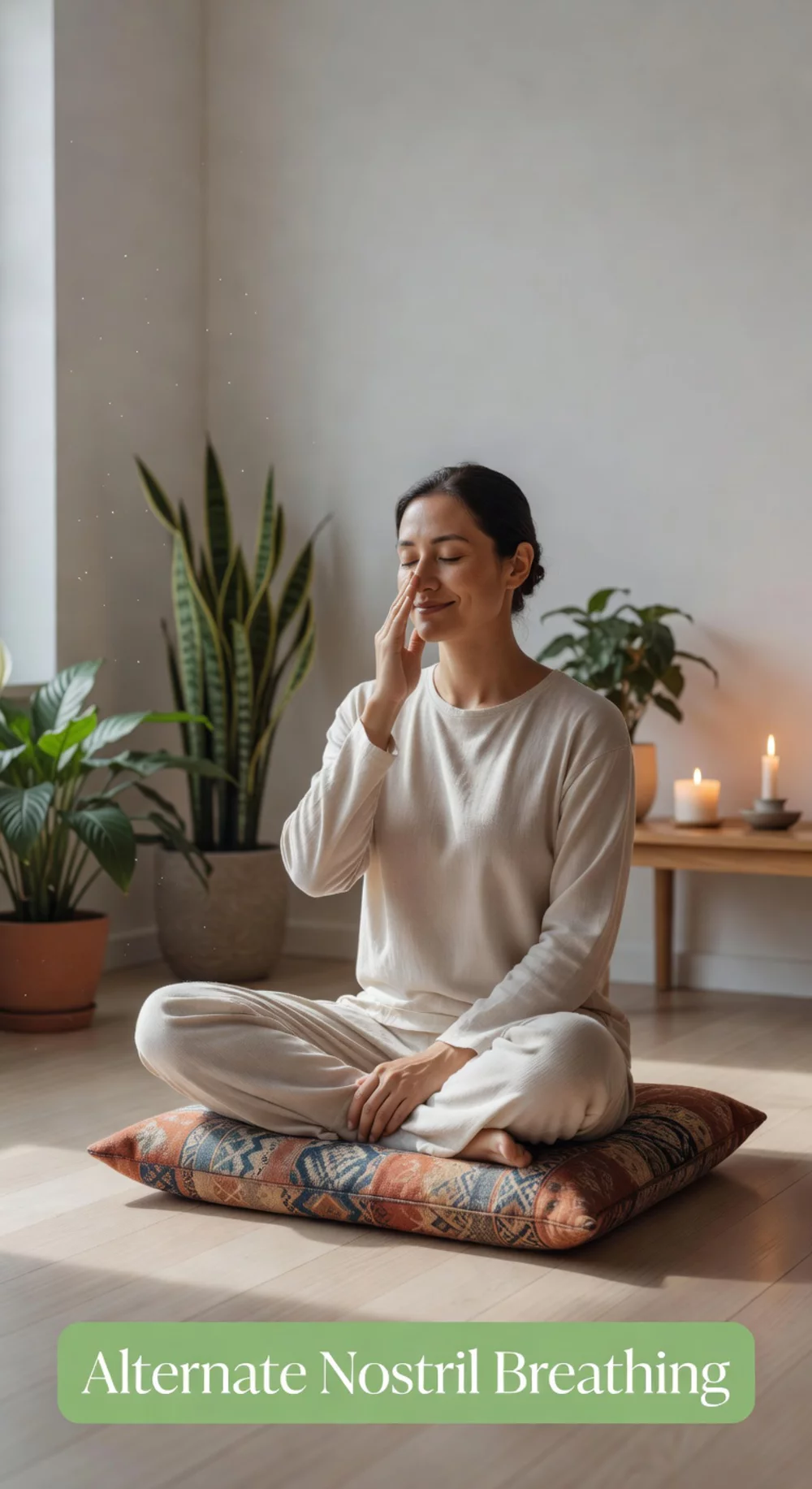
Restore your balance and calm with this simple breathing technique.
The Power of Alternate Nostril Pranayama: Ever felt off-balance or anxious? Alternate Nostril Breathing can restore your equilibrium in minutes. This technique involves inhaling through one nostril and exhaling through the other, which helps to balance the body’s energies and calm the mind. It’s a simple yet effective practice that can be done anywhere, making it accessible for anyone looking to ease anxiety.
What often gets overlooked is how this technique can be integrated into everyday moments. Many people miss the chance to practice during stressful work situations or even while waiting for an appointment. Just a few minutes of focus on your breath can shift your entire mindset and invite calmness.
- ★Practice for 5–10 minutes, focusing on the flow of your breath.
- ★Use the Tibetan Meditation Pillow for added comfort while seated.
- ★Ensure you sit up straight to allow for deep, effective breaths.
⭐ Top Products for Alternate Nostril Breathing
Rectangular Yoga Bolster for Meditation
★★★★☆
Our Score: 4.0/5
This bolster provides comfortable support for your Alternate Nostril Pranayama practice.
View on Amazon →Rectangular Meditation Pillow with Suede Cover
★★★★☆
Our Score: 4.0/5
Enjoy luxurious comfort while practicing Alternate Nostril Breathing with this stylish pillow.
View on Amazon →✨ Editor's Pick
Traditional Tibetan Meditation Pillow
★★★★½
Our Score: 4.5/5
This pillow offers the ergonomic support needed for prolonged Alternate Nostril Breathing sessions.
View on Amazon →📋 Your Quick Start Guide:
- Find a quiet spot: A serene environment enhances your focus during the practice.
- Use your right hand: Position your thumb and ring finger for effective nostril control.
- Visualize energy: Picture a calming flow of energy as you alternate breaths to deepen relaxation.
Lion's Breath Yoga Move That Releases Jaw Tension and Pent-Up Frustration
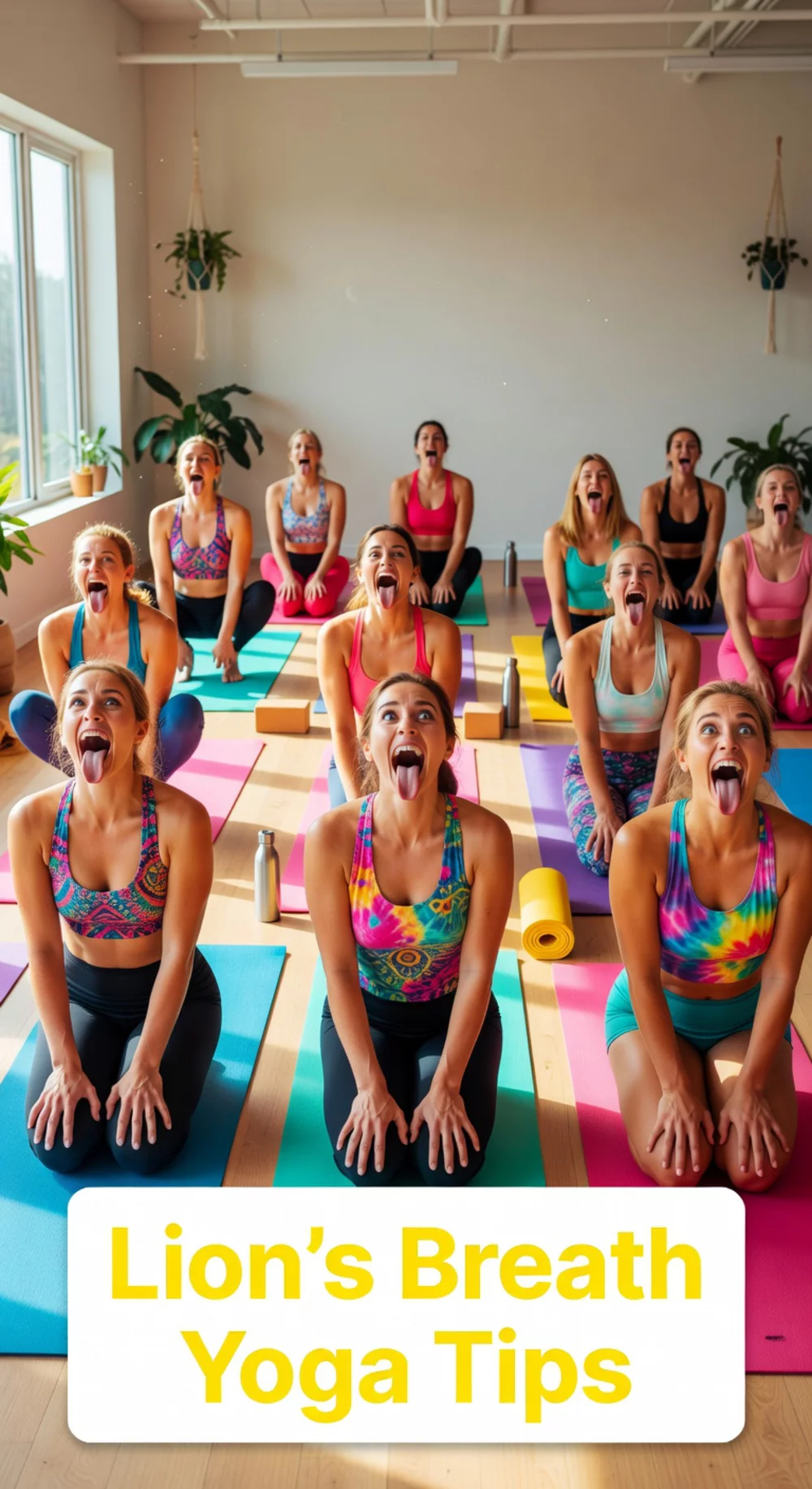
Unlock tension and frustration with this dynamic breathing technique.
Understanding Lion's Breath and Its Benefits: Lion's Breath is a unique breathing technique designed to release jaw tension and pent-up frustration while stimulating the throat chakra. By vocalizing during the exhale, this technique encourages self-expression and emotional release, making it perfect for moments of stress or before challenging conversations.
Where Most People Get Stuck: Many practitioners overlook the importance of facial expressions during Lion's Breath, thinking it’s just about the breath itself. However, incorporating a fierce expression can amplify the emotional release. Picture someone letting go of their day’s stress with a roar; it’s that visual and vocal component that makes it transformative.
- ★Practice Lion's Breath before important conversations to boost confidence and clarity.
- ★Visualize energy flowing freely through your throat chakra while practicing.
- ★Avoid straining your throat; keep the sound gentle yet powerful.
⭐ Top Products for Lion's Breath Yoga Move
✨ Editor's Pick
Natural Cork Yoga Block Set
★★★★½
Our Score: 4.5/5
The Natural Cork Yoga Block Set enhances stability during Lion's Breath, helping to release tension effectively.
View on Amazon →Yoga Block and Strap Set
★★★★½
Our Score: 4.5/5
This Yoga Block and Strap Set provides versatile support, enhancing comfort while performing Lion's Breath.
View on Amazon →Thin High Density EVA Foam Yoga Blocks
★★★★☆
Our Score: 4.0/5
The Thin EVA Foam Yoga Blocks easily support your Lion's Breath, ensuring balance and stability.
View on Amazon →🚀 Quick Tips:
- Use Lion's Breath before meetings: It boosts confidence and helps express your thoughts clearly.
- Incorporate facial expressions: A fierce look enhances the emotional release during each breath.
- Practice in a safe space: This allows you to fully express yourself without hesitation or judgment.
Getting to this point means you're truly exploring how breath can transform your wellbeing. Each technique builds on the last, offering unique avenues for peace and energy. Remember, finding what resonates most with you is the real journey, and every gentle inhale brings you closer.
🌟 What Helps Most:
- Consider exploring top meditation cushions for a stable base.
- Listen to your body; some breaths are more energizing, others more calming.
- Consistency over intensity is key for lasting benefits and true calm.
- Create a relaxing atmosphere to truly enhance your space.
Breath-of-Fire Yoga Technique That Energises the Body Without Caffeine
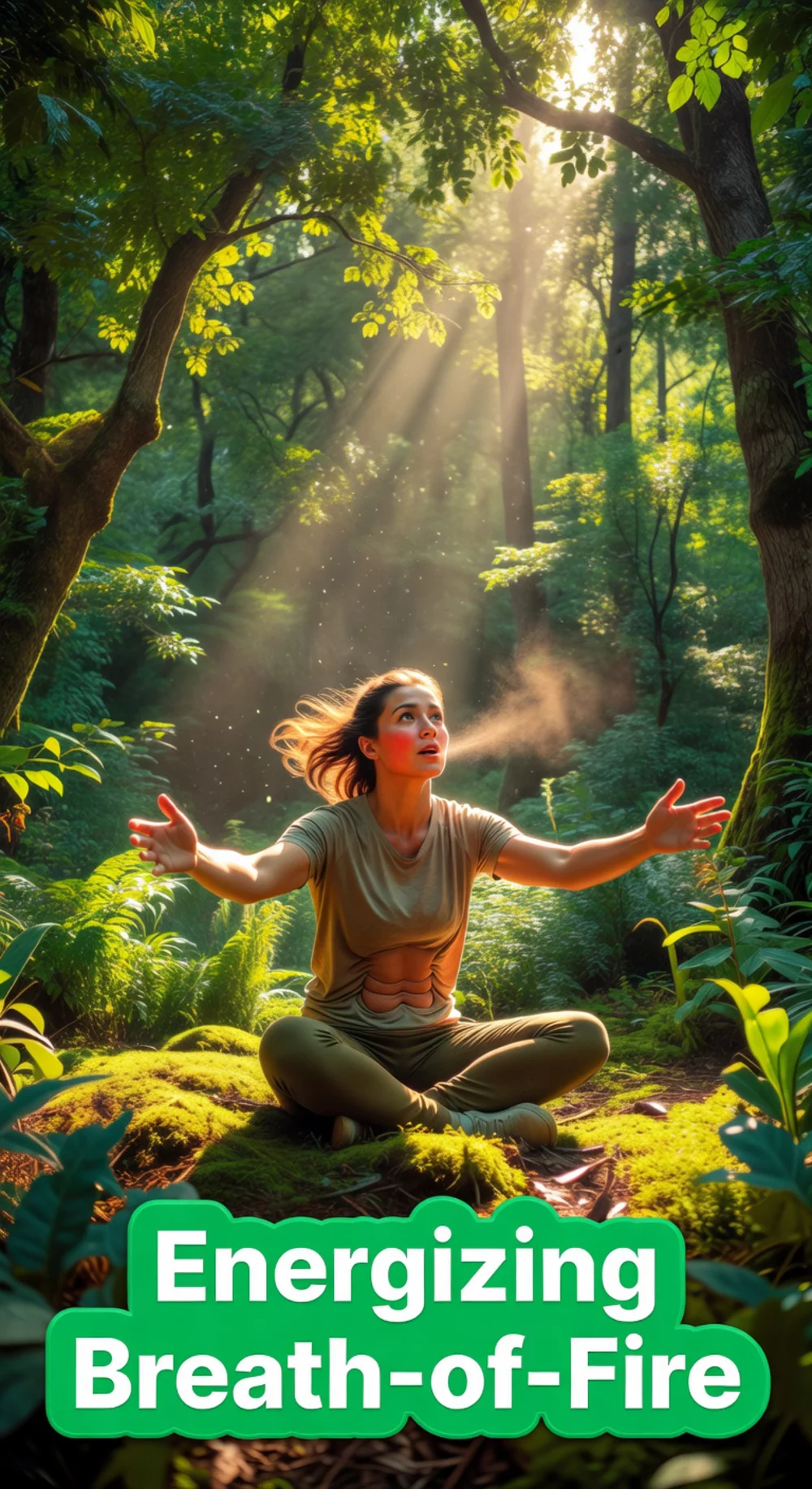
Rejuvenate your energy levels without caffeine through Breath-of-Fire!
Why Breath-of-Fire is Energizing: Breath-of-Fire is a dynamic breathing technique often used in Kundalini yoga, known for its ability to boost energy and focus. By rhythmically pumping the navel while breathing in and out through the nose, it stimulates the metabolism and increases oxygen flow throughout the body, making it a fantastic alternative to caffeine for a quick pick-me-up.
What many people overlook is the importance of pacing during Breath-of-Fire. It's easy to rush through the breaths, especially when seeking that boost. Practicing this technique calmly and steadily can help you maintain focus and avoid dizziness. For example, beginners might start with a slower pace until they feel comfortable, gradually increasing speed as they gain confidence in their control.
- ★Practice Breath-of-Fire for 1-3 minutes before workouts for better performance.
- ★Engage your core fully during the practice to maximize effectiveness.
- ★Avoid this technique if you have respiratory issues or are pregnant.
⭐ Top Products for Breath-of-Fire Yoga Technique
Durable Yoga Stretching Strap
★★★★½
Our Score: 4.5/5
This durable strap enhances core engagement, making Breath-of-Fire more effective during practice.
View on Amazon →✨ Editor's Pick
Stretching Strap for Physical Therapy
★★★★½
Our Score: 4.5/5
This versatile strap enhances your practice, allowing for deeper stretches during Breath-of-Fire.
View on Amazon →Multi-Loop Stretching Strap with Neoprene Handles
★★★★½
Our Score: 4.5/5
This strap with padded handles ensures comfort during Breath-of-Fire sessions, enhancing productivity.
View on Amazon →🚀 Quick Tips:
- Start Slow: Begin with short sessions of 1-2 minutes to build your confidence.
- Focus on Core Engagement: Actively pull your navel towards your spine for maximum energy boost.
- Practice Regularly: Aim for 3-5 sessions a week to enhance stamina and mental clarity.
Yoga Meditation Cushion That Supports an Upright Spine During Breathwork
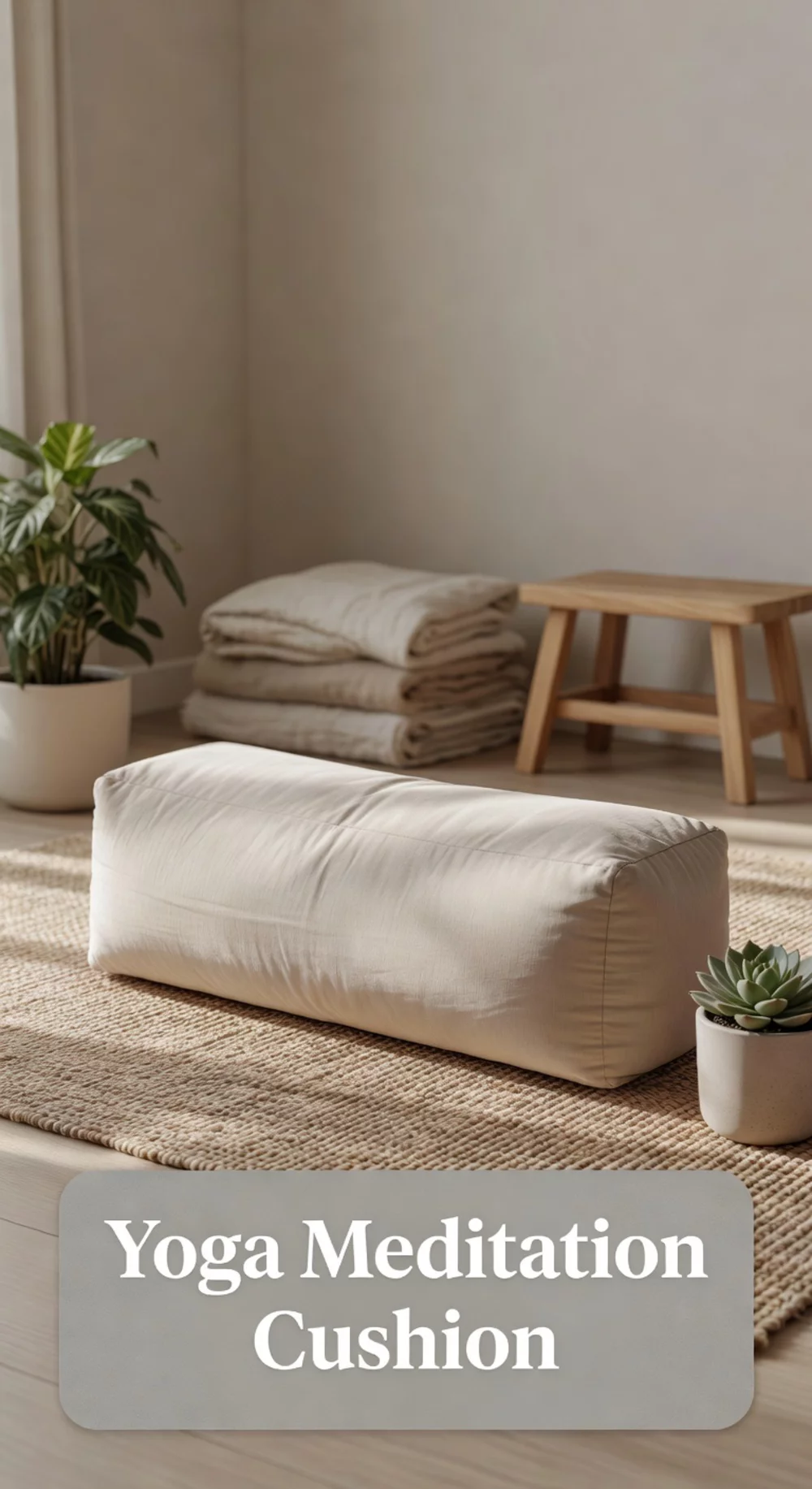
Find your center with the right cushion for breathwork.
How a Yoga Meditation Cushion Enhances Breathwork: Proper posture is essential for effective breathwork. A supportive cushion helps maintain an upright spine and alleviates hip discomfort, allowing you to focus on your breath. With better alignment and comfort, you’ll experience deeper relaxation and improved meditation sessions.
Where most people get stuck is choosing the right cushion for their needs. Many overlook their height and flexibility when picking a cushion, which can lead to discomfort during practice. For example, a person with tight hips may benefit from a firmer bolster, while someone more flexible might prefer a softer, cushioned option.
- ★Choose a cushion that supports your spine and allows your hips to relax fully.
- ★Consider the material—natural fibers can enhance comfort and breathability.
- ★Experiment with different shapes to find your perfect fit, such as round vs. rectangular.
⭐ Top Products for Yoga Meditation Cushion
Triple-Layer Sponge Yoga Bolster
★★★★½
Our Score: 4.5/5
The triple-layer sponge bolster provides firm support for various yoga practices, enhancing your comfort.
View on Amazon →Yoga Bolster with Extra Washable Cover
★★★★☆
Our Score: 4.0/5
This bolster's extra washable cover ensures easy maintenance while providing comfortable support.
View on Amazon →✨ Editor's Pick
Yoga Bolster for Meditation Practices
★★★★½
Our Score: 4.5/5
This bolster offers comfort and stability that enhances your meditation and breathwork practices.
View on Amazon →💡 Quick Tips:
- Assess Your Height: Choose a cushion that suits your height for optimal spine alignment.
- Test Different Shapes: Experiment with round and rectangular cushions to find your ideal support.
- Look for Natural Materials: Consider cushions made from cotton or buckwheat for breathability and comfort.
Why a Guided Meditation Audio App Pairs Perfectly with a Yoga Breathing Practice
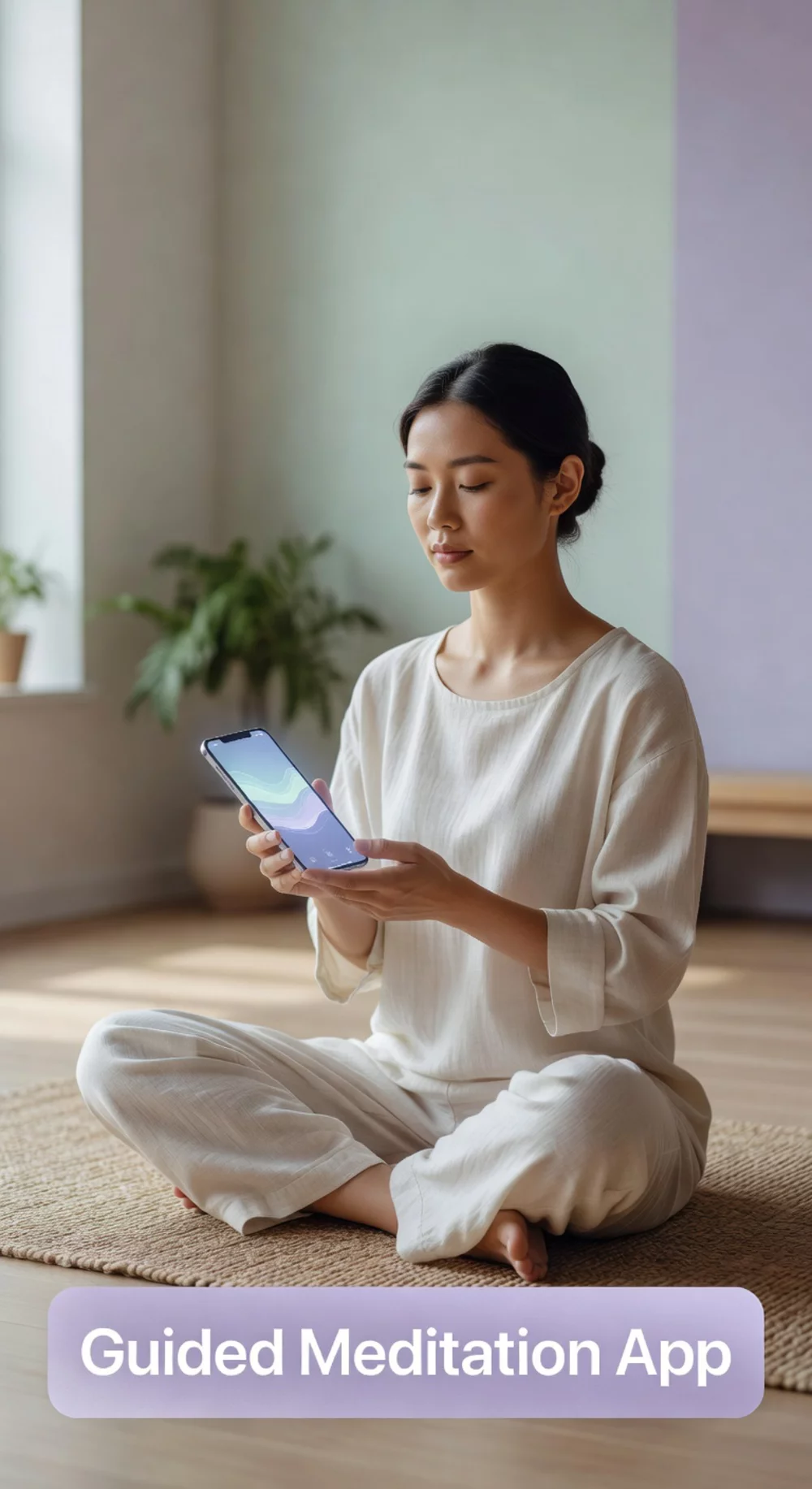
Enhance your breathwork with guided support and structure
How Guided Meditation Apps Amplify Your Breathwork: Using guided meditation audio apps can significantly enrich your breathing practice. These apps offer structured sessions designed to assist you in focusing on your breath while exploring various techniques, enhancing your mindfulness and overall experience.
What People Rarely Consider is how the format of guided meditations can influence their practice. Many overlook the importance of session length and variability. For example, some apps provide short 5-minute sessions perfect for busy days, while others offer extensive courses that delve deeper into breathwork. This flexibility encourages consistent practice, helping users stay engaged and committed to their well-being.
- ★Look for apps that offer various breathing techniques to keep your practice fresh.
- ★Try session lengths that suit your schedule—short sessions fit into busy days easily.
- ★Integrate app usage into your daily routine by setting reminders for practice.
💡 Your Quick Start Guide:
- Choose the Right App: Explore options that offer guided sessions tailored to breathwork techniques.
- Set a Routine: Integrate app usage into your daily schedule to reinforce consistency in your practice.
- Experiment with Length: Try different session lengths to find what fits best with your lifestyle and energy levels.
You now have seven practical ways to harness the power of yogic breathwork for stress reduction and calm. Start with what feels manageable as you explore these techniques, allowing yourself to integrate them into your routine at your own pace.
With each small, intentional change, you’ll discover a deeper sense of peace and mindfulness in your life. Consider incorporating one or two techniques today, and enjoy the journey to a calmer, more centered you.
Lara V. Hargrove
Lara V. Hargrove is a passionate yoga enthusiast and wellness advocate dedicated to helping individuals cultivate mindful home yoga practices. With years of experience as a yoga practitioner and a deep understanding of yoga philosophy, Lara shares her insights and expertise through thoughtful reviews and practical guides. She believes in the transformative power of yoga and is committed to helping others create harmonious spaces for their practice.